
NASA’s Human Research Program (HRP) uses research to develop methods to protect the health and performance of astronauts in space. In support of NASA’s goals for long-term missions on the surface of the Moon and human exploration of Mars, HRP is using ground research facilities, the International Space Station, and analog environments to monitor human health in deep space.
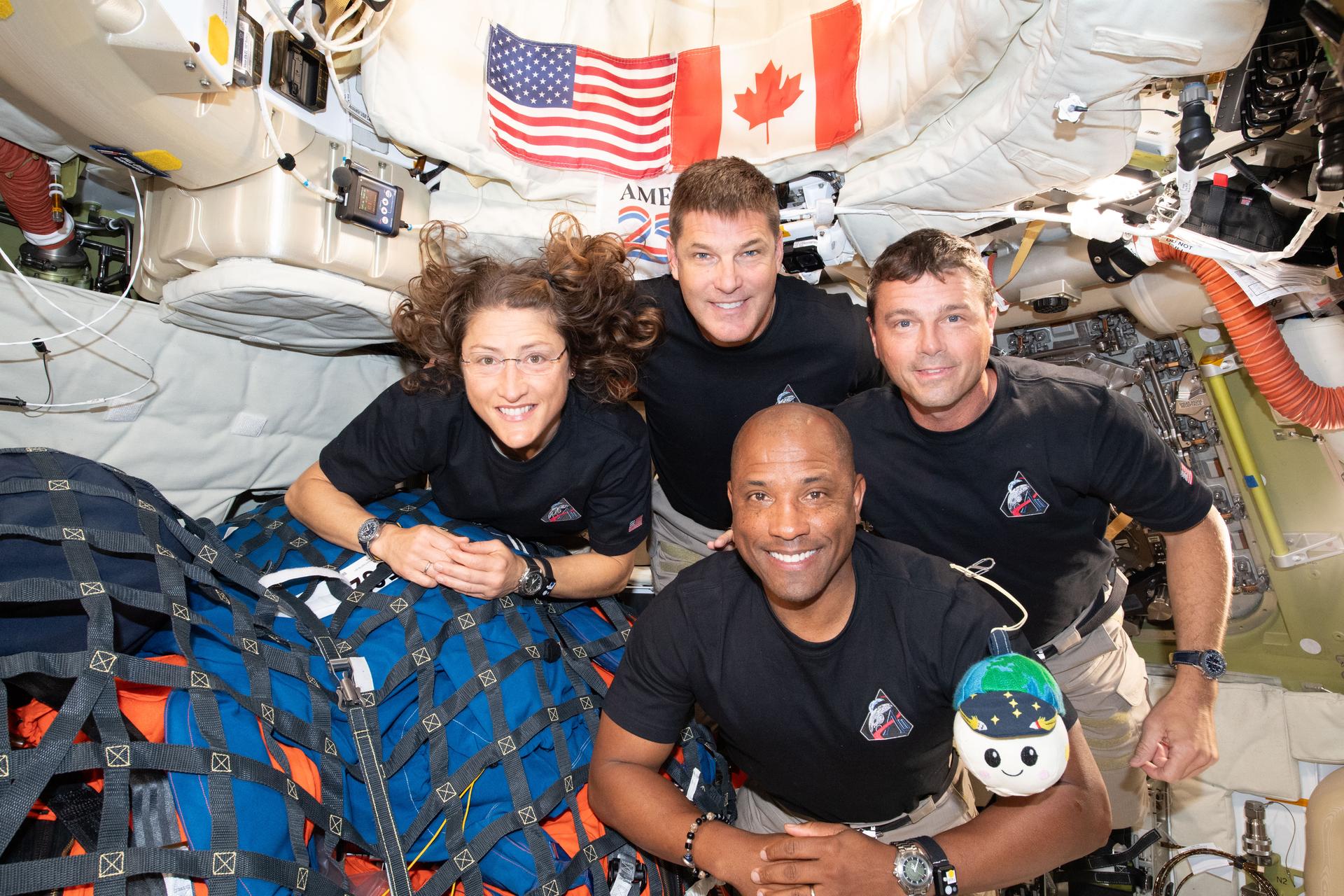
NASA’s Artemis II mission was the first crewed mission to the vicinity of the Moon since Apollo 17 in December 1972. The mission carried four astronauts aboard the Orion spacecraft on a trajectory into deep space – farther than any humans have gone before – marking a pivotal milestone in the history of human exploration. For the first time in more than half a century, human beings experienced the full physiological and psychological conditions of space travel beyond low Earth orbit, including an environment with space radiation, the isolation and confinement of a new spacecraft, and the operational demands of a test mission profile.
For HRP, Artemis II represents an irreplaceable research opportunity. The data collected from the four-person crew will expand an existing body of knowledge built primarily from missions in low Earth orbit, extending it into the deep space environment. It will provide direct measurements of how the human body responds to conditions that ground-based simulation cannot fully replicate.
The unique dataset will also present a profound analytical challenge. Though the sample size is only four subjects, the data will span multiple physiological systems, data modalities, and time points. That combination is what the NASA Artemis II Human Research Data Methodology Challenge seeks to address.
Award: $25,000 in total prizes
Challenge Open Date: March 30, 2026
Submission Close Date: June 5, 2026
For more information, visit: https://hrpdatachallenge.org/
from NASA https://ift.tt/MPFsIxL



No comments:
Post a Comment