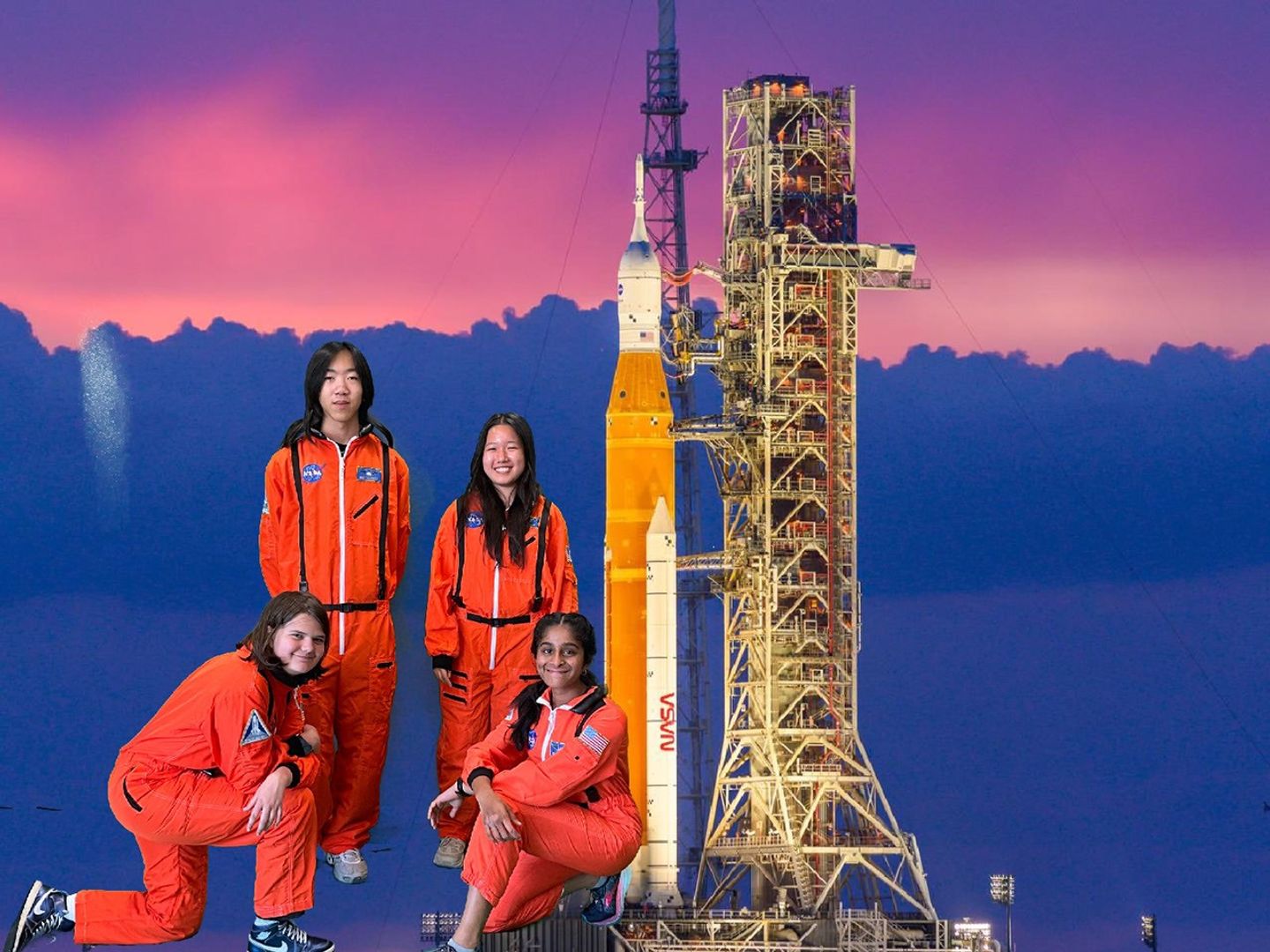
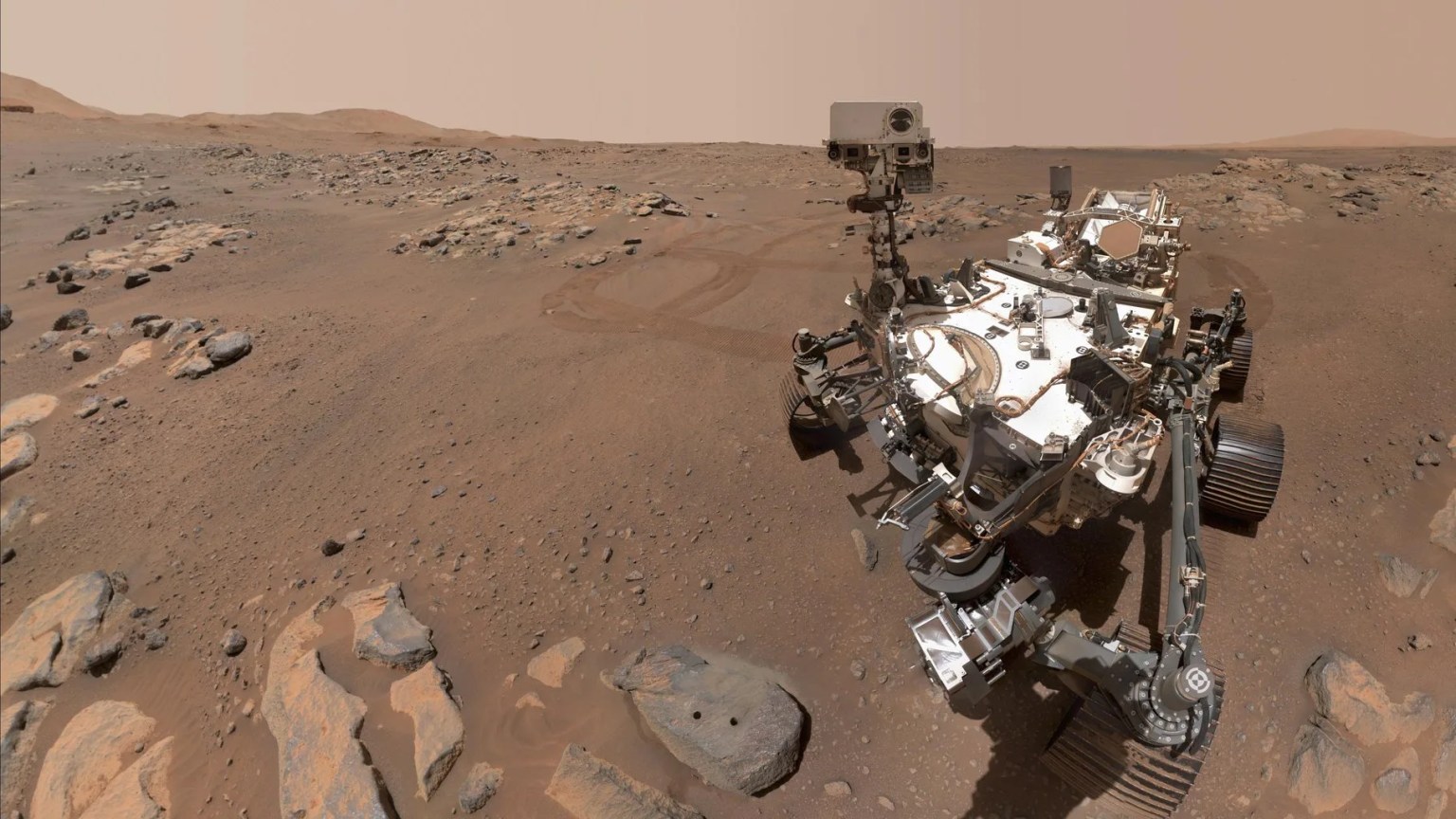
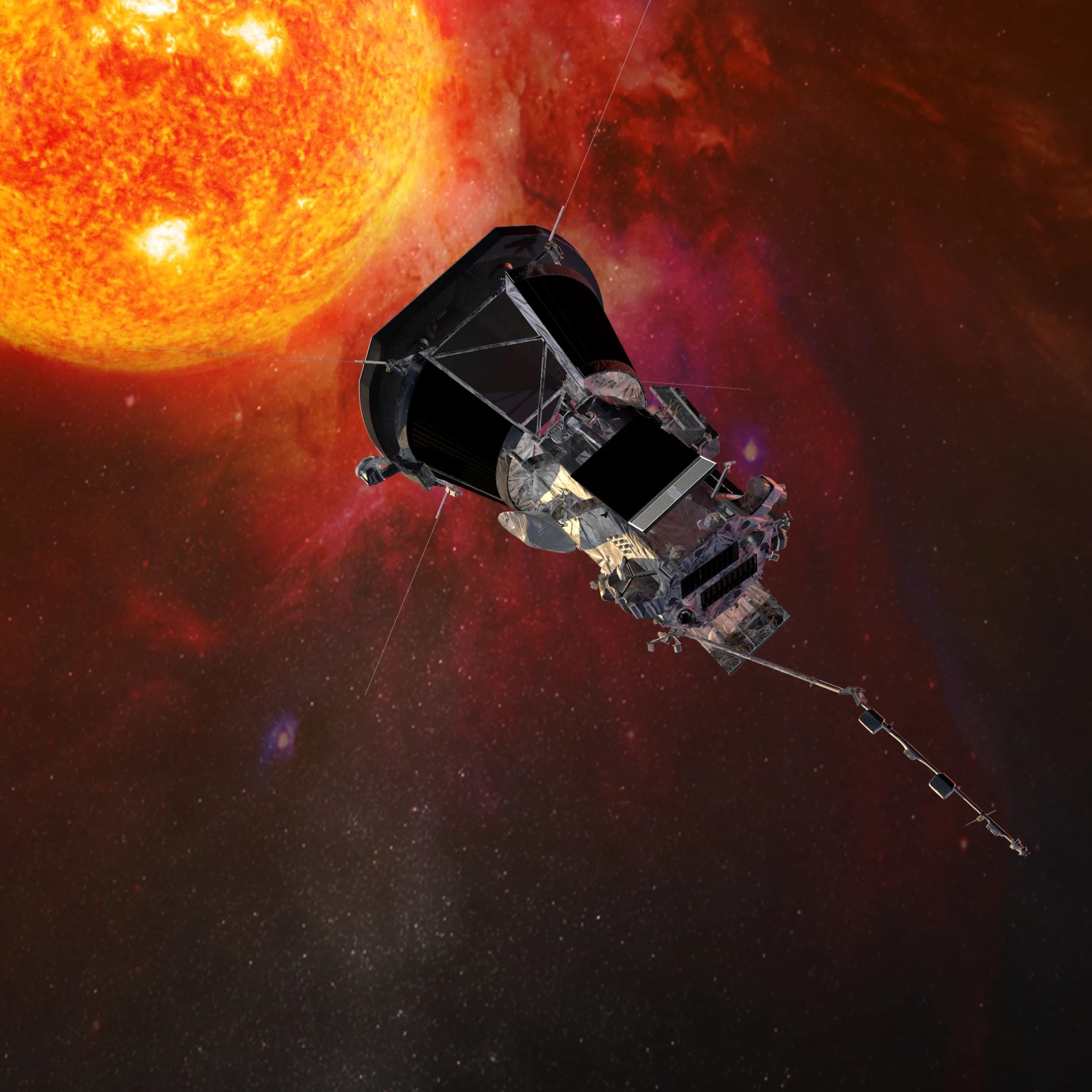
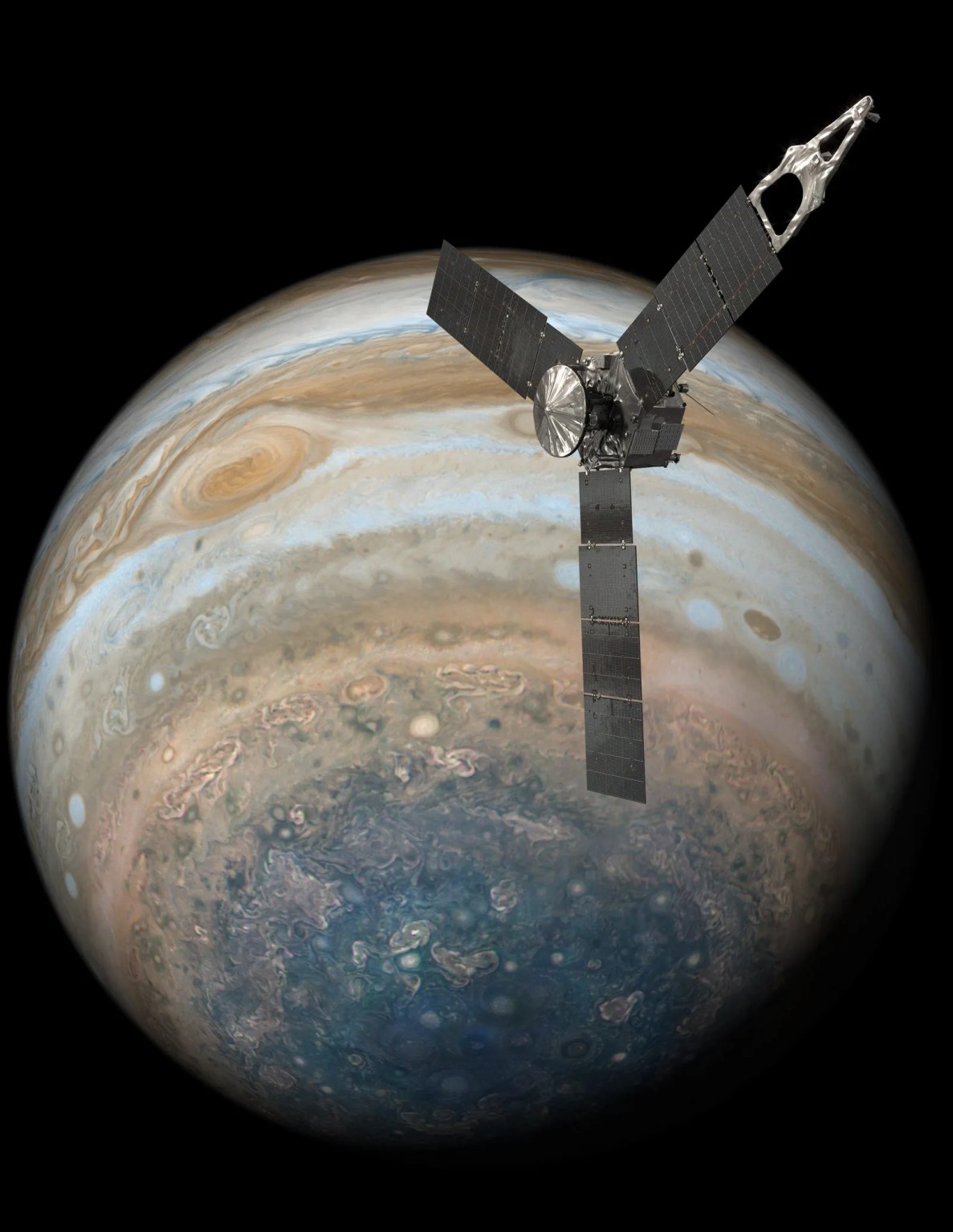
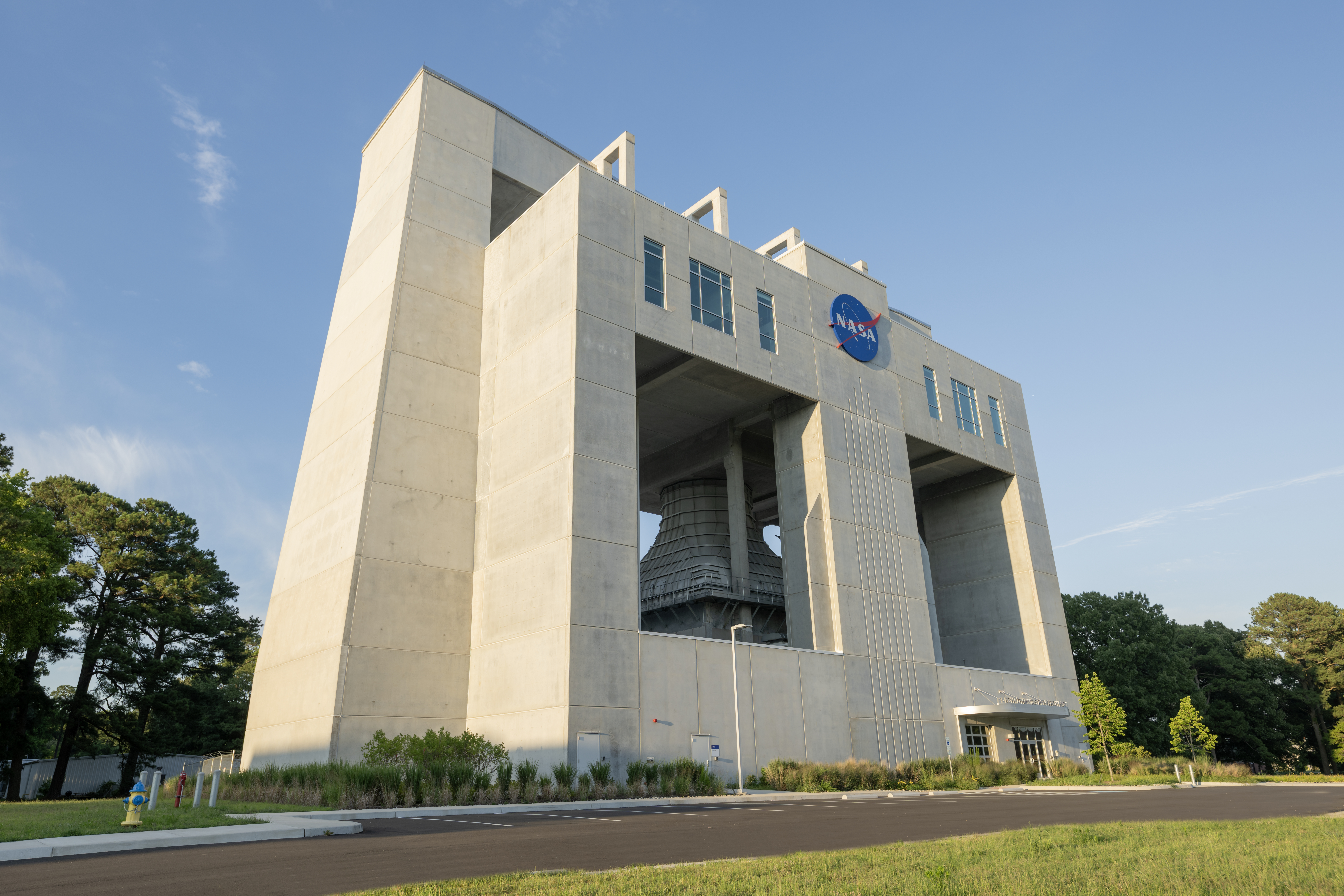
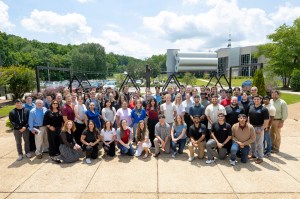
Pictured left to right: Sungshin Choi, Yi-Chun Chen, Emma Yates, Eduardo Bendek
The NASA Ames Science Directorate recognizes the outstanding contributions of (pictured left to right) Sungshin Choi, Yi-Chun Chen, Emma Yates, Eduardo Bendek. Their commitment to the NASA mission represents the entrepreneurial spirit, technical expertise, and collaborative disposition needed to explore this world and beyond.
Space Biosciences Star: Sungshin Choi
Sungshin Choi is a Project Scientist with Amentum in the Space Biosciences Division. Sungshin is recognized for her enduring support of many space biology flight investigations past, present and future, including CBIOMES, ODYSSEY, and Space Algae II more recently. She is a tireless advocate for high-quality science and the principal investigators whom she represents.
Space Biosciences Star: Yi-Chun Chen
Yi-Chun Chen is a Project Scientist with Amentum in the Space Biosciences Division. Yi-Chun is recognized for her exemplary support of multiple space biology activities including the MeF1, GEARS, and ELISA MABL (Enzyme-Linked Immunosorbent Assay – Microgravity Associated Bone Loss) flight investigations. She is a dedicated and determined problem-solver that enables her teams to achieve success.
Emma Yates
Earth Science Star: Emma Yates
Emma Yates is a research scientist with the Bay Area Environmental Research Institute in the Earth Science Division. She has been instrumental in advancing NASA’s Ozone Where We Live (OWWL) project by leading community engagement, citizen-science partnerships, and field deployments across California. Her efforts are expanding access to NASA science while building innovative community-based air quality monitoring networks that support Earth science research and public engagement.
Space Science Star: Eduardo Bendek
Eduardo Bendek is an optical scientist with the SETI Institute in the Astrophysics Branch in the Space Science and Astrobiology Division. In support of the Ames Coronagraph Testbed (ACT), Eduardo developed several options for ACT first light experiments, reviewed them with various stakeholders, and delivered a comprehensive presentation to project management for how to proceed. Eduardo’s excellent support of the ACT project is critical to its success as Ames develops this near-infrared testbed for the Habitable Worlds Observatory.
The challenge began with educator professional development in August 2025, preparing teachers and mentors to guide students through the ROADS experience. Registered teams then worked through challenge checkpoints from January through May 2026, with in-person Hub events held in April and May 2026 to give students opportunities to showcase their work, connect with peers, and engage with NASA-inspired STEM (Science, Technology, Engineering, and Mathematics) activities.
NESSP, led by Central Washington University in Ellensburg, Washington, creates opportunities for students and educators to connect with NASA science through hands-on STEM learning. The ROADS framework challenges upper elementary, middle, and high school students to work collaboratively on mission-inspired activities that mirror the ways NASA scientists and engineers investigate planetary environments and prepare for future exploration.
Throughout the academic year, ROADS from Earth to Venus teams completed eight Mission Objectives focused on science, engineering, teamwork, and communication. Students documented their work in Mission Development Logs, designed mission patches, modeled carbon movement on Earth and Venus, investigated the greenhouse effect, collected remote sensing data using kite-mounted cameras, programmed robotic rovers to navigate Venus-inspired terrain, explored NASA-related careers, and presented their final mission stories through virtual submissions and regional Hub events.
In addition to completing the challenge virtually, many students participated in in-person Hub events hosted by NESSP partner institutions, including Central Washington University, Montana State University, and Northern Arizona University. These events gave teams the opportunity to showcase their work, exchange ideas with peers, interact with mentors, and experience college campuses as part of a broader STEM learning community.
“The ROADS Challenge gives students the opportunity to do more than learn about NASA missions – they become part of the mission,” said Dr. Darci Snowden, Director of NESSP. “I am especially proud of this year’s teams. Students took on an exceptionally broad set of mission objectives, from modeling carbon cycles and designing experiments to conducting remote sensing operations with kites and programming rovers to navigate challenging terrain while collecting scientific data. These students participated because they were curious, motivated, and eager to learn. By investigating authentic mission challenges, collaborating with teammates, and sharing their ideas with others, students develop the confidence and skills needed to see themselves as future scientists, engineers, educators, and explorers.”
NESSP recognized top teams across elementary, middle, and high school divisions for outstanding participation and exemplary Mission Development Logs.
In the Elementary School Division, NESSP recognized The Evil Twins, The Acid Clouds, Flaming Asteroid Nebulas, and The NASA Intelligence, all from Silverdale, Washington.
In the Middle School Division, NESSP recognized Venus Ascenders from Mukilteo, Washington; Project Fuego Venus from Safford, Arizona; Galaxy Dragons from Sequim, Washington; The Four Folds from Hardin, Montana; and Crater Lake Crusaders from Medford, Oregon.
In the High School Division, NESSP recognized Laborantem from Columbus, Montana; Velocity to Venus from Sequim, Washington; Puget Sound Propulsion from Mukilteo, Washington; and Evergreen Explorers from Mukilteo, Washington.
Highlights from this year’s challenge, including student presentations and special recognitions, are available through the ROADS from Earth to Venus Virtual Recognition Ceremony on the NESSP YouTube channel, @nwessp.
Educators, families, and community organizations can continue to access ROADS from Earth to Venus activities and educational resources, along with materials from previous ROADS challenges, through the NESSP website at www.nwessp.org.
NASA’s Northwest Earth and Space Science Pathways project is supported by NASA cooperative agreement award number 80NSSC22M0006 and is part of NASA’s Science Activation Portfolio, which connects learners with authentic NASA science experiences through partnerships with educators and community organizations.
Challenge participants at the Washington challenge event pose in NASA-inspired flight suits.
Preparations for Next Moonwalk Simulations Underway (and Underwater)
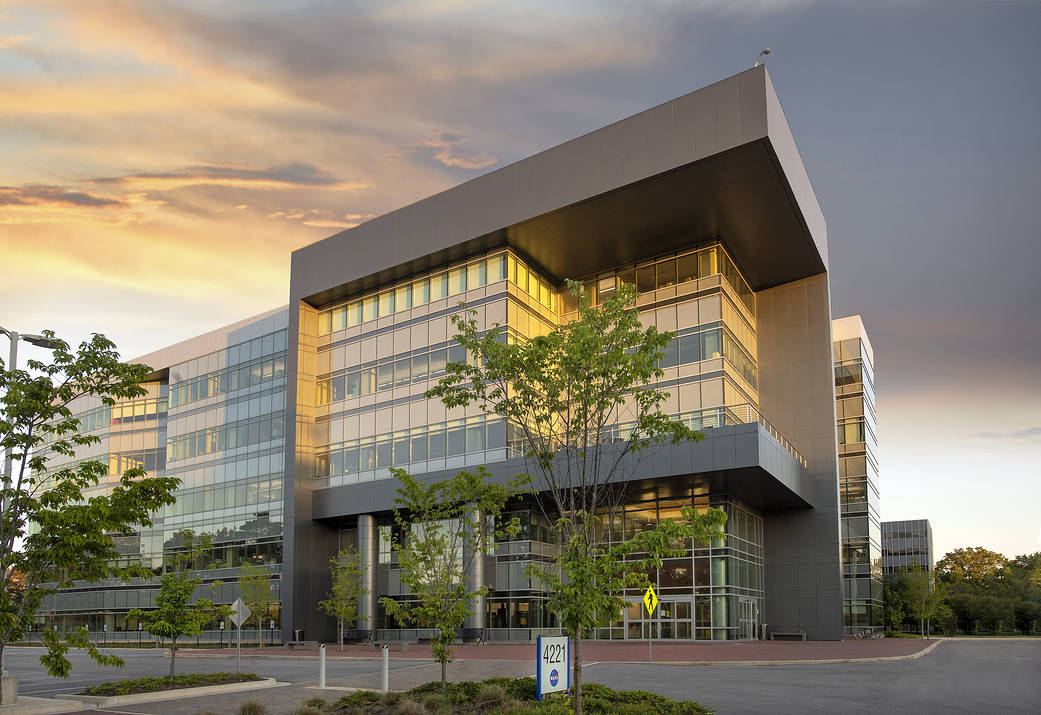
The Flight Dynamics Research Facility, located at NASA’s Langley Research Center in Hampton, Virginia, is the agency’s first major wind tunnel built in more than 40 years.
NASA/Mark Knopp
For more than 100 years, wind tunnels at NASA’s Langley Research Center in Hampton, Virginia, have helped shape the future of flight.
Now, two of NASA’s longest-serving facilities — the 12-Foot Low-Speed Tunnel and the 20-Foot Vertical Spin Tunnel — will pass the torch to the Flight Dynamics Research Facility (FDRF), the first major NASA wind tunnel built in more than 40 years.
“The FDRF has a combination of features found in no other single facility in the world,” said Mike Fremaux, retired chief engineer for the Intelligent Flight Systems division at NASA Langley. “It’s a high-performance vertical wind tunnel with a large test section capable of conducting all manner of tests to assess the dynamics of flight vehicles.”
When the FDRF opens later this year, it will provide enhanced versions of the capabilities offered by the two legacy facilities. The FDRF’s test section will allow researchers to drop models into a rising vertical airflow. This will offer researchers the ability to conduct spin tests of aircraft and free-flight tests of vehicles designed to re-enter Earth’s atmosphere from space.
The FDRF will play an integral role in conducting research that supports NASA’s aeronautics, science, and space exploration missions. Like many NASA facilities, the FDRF’s story is rooted in a history of innovation.
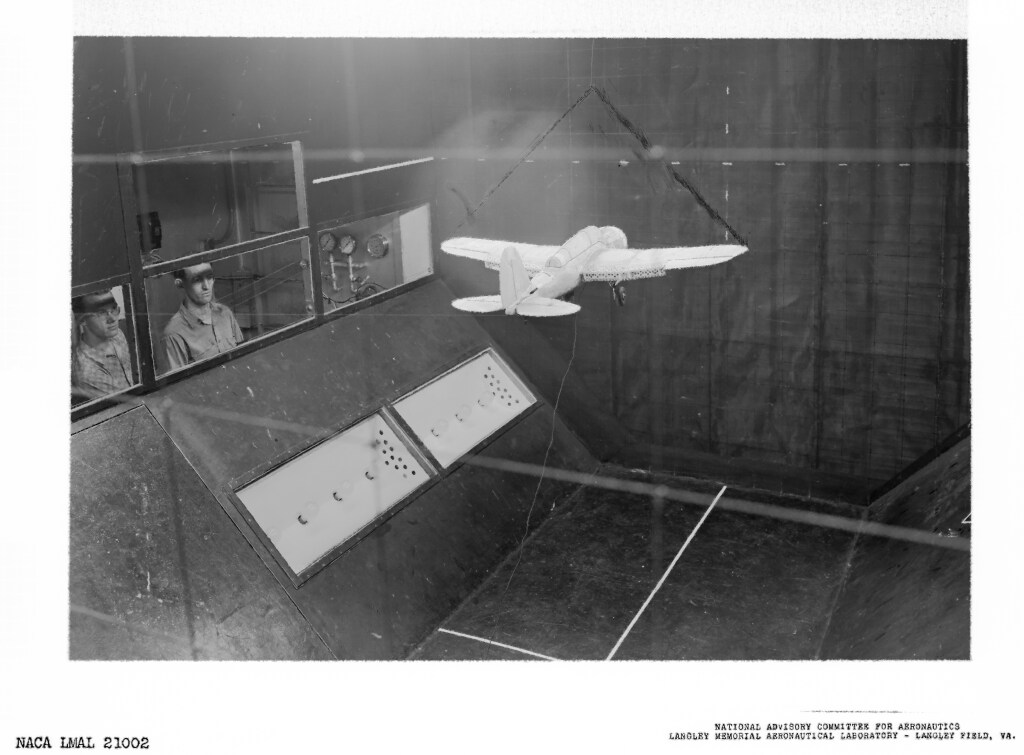
A 1/12th scale model of the SBN-1 is tested in the 12-Foot Free-Flight Tunnel’s test section in 1940.
NASA
12-Foot Low-Speed Tunnel
When the 12-Foot Low-Speed Tunnel began operations in 1939, aviation looked very different than it does today. It was built for NASA’s predecessor agency, the National Advisory Committee for Aeronautics (NACA) to study the controllability of airplanes using free flight. Aircraft models flew unsupported in the wind it generated, instead of being mounted to supports. Multiple operators used rudimentary remote controls to operate the models in the tunnel.
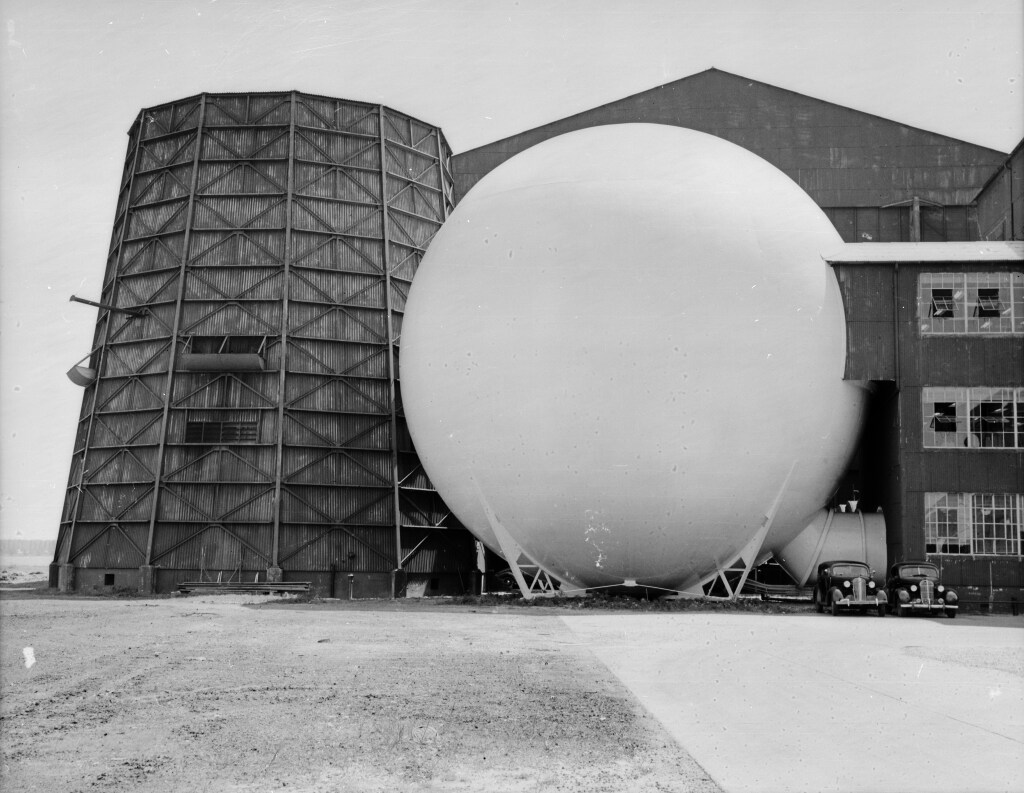
The facility that housed the tunnel boasted a unique design: a 60-foot diameter sphere. The configuration allowed the tunnel to move and adapt to the flight paths of free flying models. “Pilots” could use hydraulic actuators, pivoting the tunnel’s test section to match the models’ movements. The spherical design made it easy for air from the facility’s fan to recirculate through the tunnel, regardless of the pitch angle of the test section.
In 1958, NASA moved the free-flight tests to another Langley tunnel. The agency deactivated the 12-Foot’s hydraulic actuators, fixing its test section into a horizontal position, and began using it for more conventional testing, looking at how aerodynamic force affected the stability and control of strut-mounted models.
The 20-Foot Vertical Spin Tunnel (left) and the 12-Foot Free-Flight Tunnel (later the 12-Foot Low-Speed Tunnel) in 1946.
NASA
The 12-Foot supported major projects throughout its 86 years of service, from the transition from bi-planes to monoplanes between two world wars, through the development of supersonic aircraft. Revolutionary designs saw testing in the 12-Foot, from the forward-swept-wing X-29 and the X-31 Enhanced FighterManeuverability Demonstrator, to the more recent X-59 quiet supersonic research aircraft, and the aeroshell for NASA’s Dragonfly, a unique rotorcraft designed to explore Titan, Saturn’s largest moon.
The 12-Foot closed in 2025, but its legacy will be both felt and seen at the FDRF. Six wooden fan blades and the central metal fan hub from the 12-Foot are on display inside the FDRF’s control room.
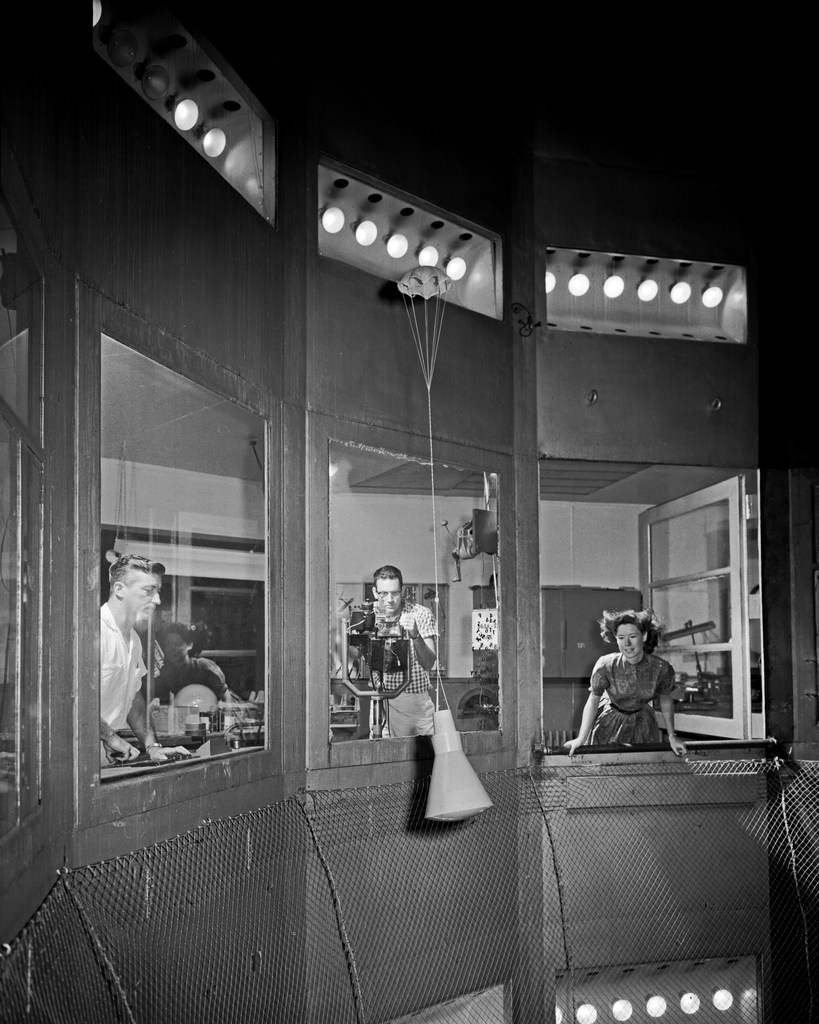
Researchers at NASA’s Langley Research Center in Hampton, Virginia test a Mercury capsule model in 1959.
NASA
20-Foot Vertical Spin Tunnel
While the 12-Foot tested new ideas for aircraft and components, the 20-Foot Vertical Spin Tunnel played a critical role in aviation safety.
Opened in 1941, the Vertical Spin Tunnel was designed to study aircraft stall and spin characteristics. Its aim was to prevent deadly accidents in which an aircraft enters an uncontrolled spin. The vertical design allowed models to fall into the rising airflow, simulating how aircraft behave during a spin. Researchers hand-launched models into the tunnel’s vertically rising airstream to evaluate those characteristics.
The tunnel quickly became one of the most important spin-testing facilities in the world. Research supported commercial aviation, parachute design systems, NASA space missions, and the development of nearly every U.S. military aircraft designed since World War II.
Models from many of those tests will be on display in the FDRF’s lobby, a testament to the Vertical Spin Tunnel’s rich history.
“It is great to showcase the legacy of work that started in the NACA days and will continue going forward for decades to come,” Fremaux said.
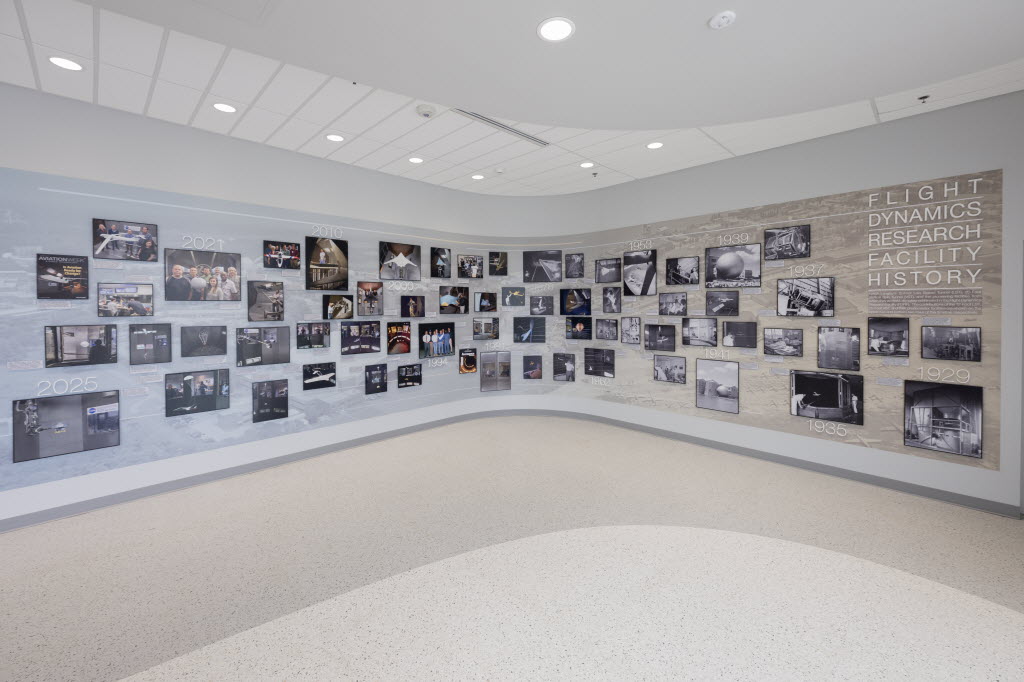
The lobby of the Flight Dynamics Research Facility, located at NASA’s Langley Research Center in Hampton, Virginia, features a timeline that details the histories of the 12-Foot Low-Speed Tunnel and the 20-Foot Vertical Spin Tunnel.
NASA/Mark Knopp
New era of flight research
The FDRF will continue NASA’s commitment to world-class facilities and the unique expertise of the agency’s workforce.
“That’s what kept those other facilities going,” Fremaux said. “Not just the buildings, the fans, and the motors, but also the expertise associated with those facilities. You can’t have one without the other.”
The FDRF will build not only on the history of the 12-Foot tunnel and the Vertical Spin Tunnel, but on their equipment, including many of their major test rigs, instrumentation, and data systems, were repurposed for use in the FDRF, reducing costs and development time.
As NASA returns astronauts to the Moon through the Artemis program, the FDRF will play a vital role in testing the technologies for entry, descent, and landing that will ensure a safe return to Earth. Research within the FDRF also will support science missions to planets and moons with atmospheres, such as Venus and Saturn’s moon, Titan. The 25,000-square-foot facility will play a major role in experimental research for NASA’s development of X-planes, autonomous flight vehicles, and drones.
“For me, seeing FDRF come alive and being prepared to begin supporting important agency missions, after 30 years of working on the concept behind the scenes with formal and informal teams of motivated, innovative coworkers, is the most rewarding capstone I could have in my career,” Fremaux said.
Just as the 12-Foot Low-Speed Tunnel and the 20-Foot Vertical Spin Tunnel supported decades of aerospace innovation, the FDRF is ready to shape the future of flight.
Preparations for Next Moonwalk Simulations Underway (and Underwater)
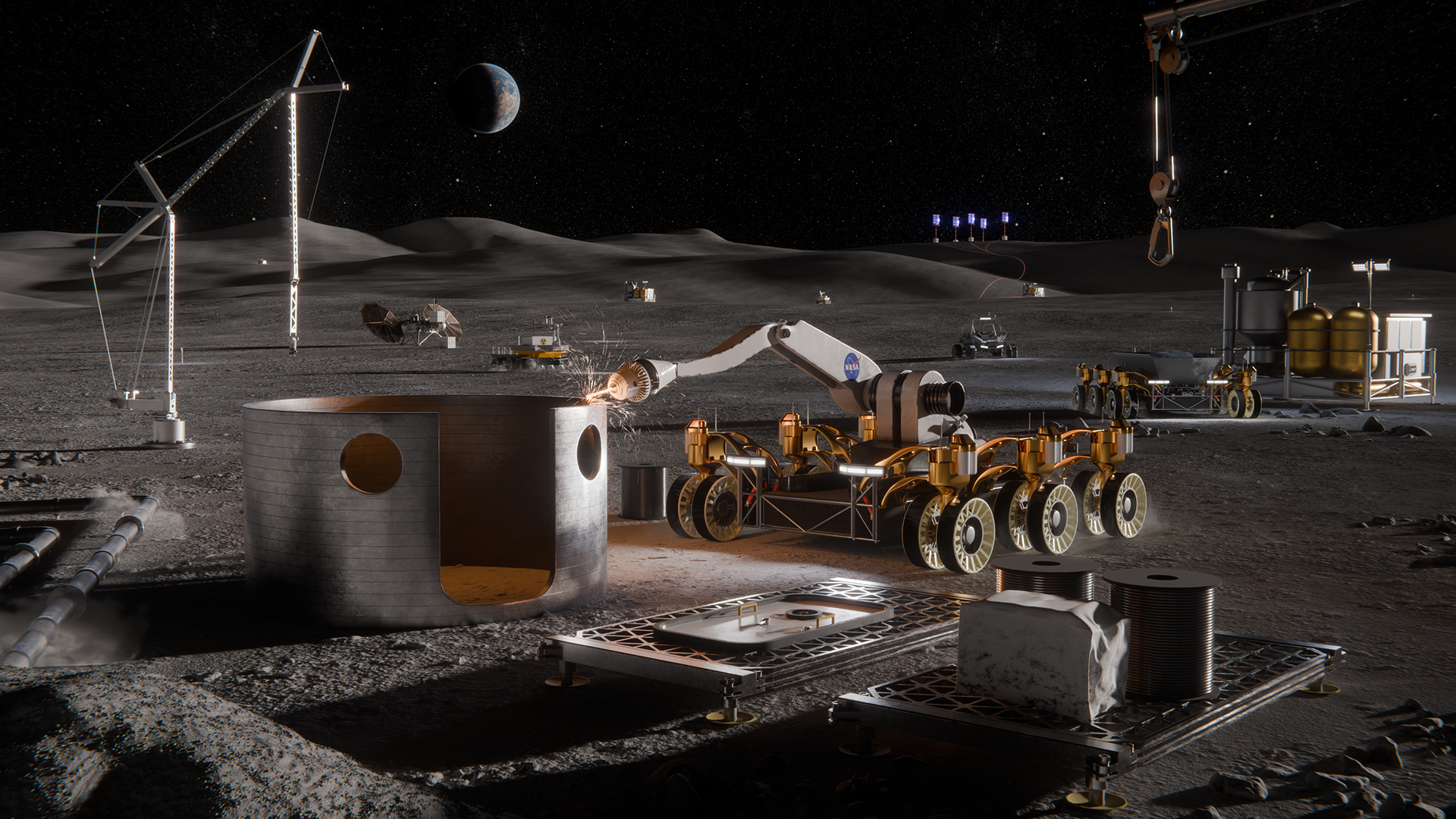
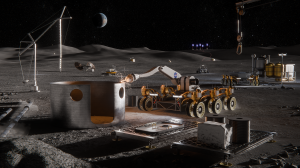
Artistic concept of lunar surface technologies and infrastructure capabilities, including in-situ resource utilization oxygen production systems, surface power systems, in‑space manufacturing tools, and advanced nanomaterials production.
NASA
Long-term lunar exploration requires technology, infrastructure, and operations that function together cohesively on the surface of the Moon. To accelerate the development of key lunar surface systems and reduce risk, NASA and industry must work together in the design, development, testing, and evaluation of innovative solutions that support U.S. space priorities.
NASA is seeking feedback on a draft solicitation for the Lunar Enabling Infrastructure Accelerator, an effort to help develop emerging capabilities in surface power, in-situ resource utilization, advanced manufacturing, and innovative nanomaterials. The draft is available for review by U.S. organizations, including industry, educational institutions, and non-profits.
Investments in space technology development unlock the near-impossible for NASA and the nation. A sustained human presence at the Moon requires breakthrough ideas from a competitive U.S industrial base, and we are proud to work toward that vision with our commercial partners.
Greg Stover
Director of the Advanced Research and Technology Division, Research and Technology Mission Directorate at NASA Headquarters in Washington
This review period allows NASA an opportunity to gather feedback on the draft solicitation, including the requirements, schedules, proposal instructions, and evaluation approaches. NASA strongly encourages industry to carefully review the draft and identify any areas of ambiguity, or concerns. Industry input will help inform the solicitation’s final requirements, acquisition planning, and solicitation parameters.
The Lunar Enabling Infrastructure Accelerator includes five topics that address gaps in technology needed for exploring the Moon and the cislunar region between Earth and the Moon as identified in NASA’s Civil Space Shortfalls. The topics focus on near-term mission priorities:
Surface power: Access to continuous, localized, and scalable power generation throughout the lunar day and night is essential for initial phases of the Moon Base plan. NASA’s needs include power generation, power management and distribution, and energy storage.
Radioisotope power: A type of nuclear energy technology that uses heat to produce electric power for operating spacecraft systems in the darkest, dustiest, and most remote places in our solar system.
In-situ resource utilization: As a sustained presence grows at the Moon, opportunities to harvest lunar resources could lead to safer, more efficient operations with less dependence on Earth. Advancing in-situ resource utilization technologies could support production of fuel, water, and oxygen from local materials, expanding exploration capabilities.
In-space advanced manufacturing: Long-term human presence beyond Earth orbit requires autonomous in-space production of essential tools and materials. Advancing in-space manufacturing will be critical to reducing reliance on Earth resupply, as well as optimizing mission flexibility and resilience at the Moon, Mars, and elsewhere in deep space.
Innovative nanomaterials: U.S. objectives related to the commercialization of low Earth orbit, building a sustained presence on the lunar surface, and pursuing deeper space exploration will involve work in demanding operational environments and under stringent mission constraints. To meet the agency’s most ambitious space exploration goals, this topic seeks to advance the commercial availability, performance, quality, and uniformity of nanomaterials to address environmental, mass, and performance challenges.
Lunar Enabling Infrastructure Accelerator awardees will be expected to design, develop, and demonstrate prototype systems and generate validated performance data, analytical models, and operational insights through testing and demonstration activities to mature technology and manufacturing applications.
The solicitation, Next Space Technologies for Exploration Partnerships-3 (NextSTEP-3) Appendix A Lunar Enabling Infrastructure Accelerator (Solicitation No: 80GRC026R0008), is available on SAM.gov and is open for comment through July 17, 2026.
For more information about NASA’s space technology website as a reference for current technology strategy and priorities, visit:
Editor’s note: In honor of America’s 250th birthday, Earth Observatory is revisiting stories about the landscapes that helped shape U.S. history. The images and text on this page were originally published on September 14, 2014. Explore the full collection here.
The song is familiar to every American, but the moment and place where it was composed are less so.
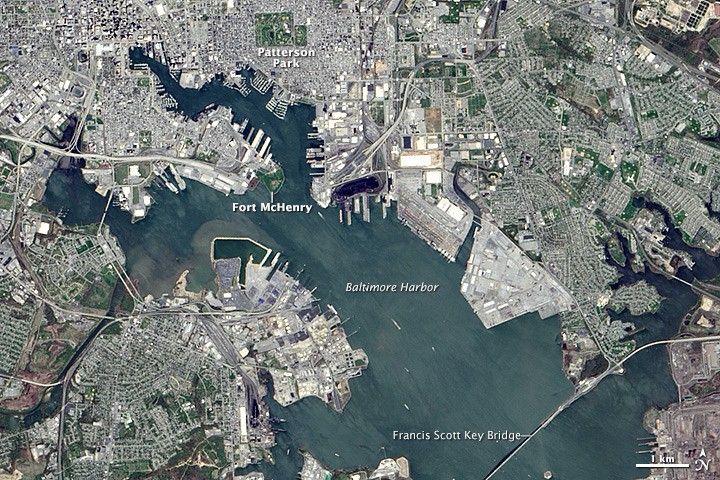
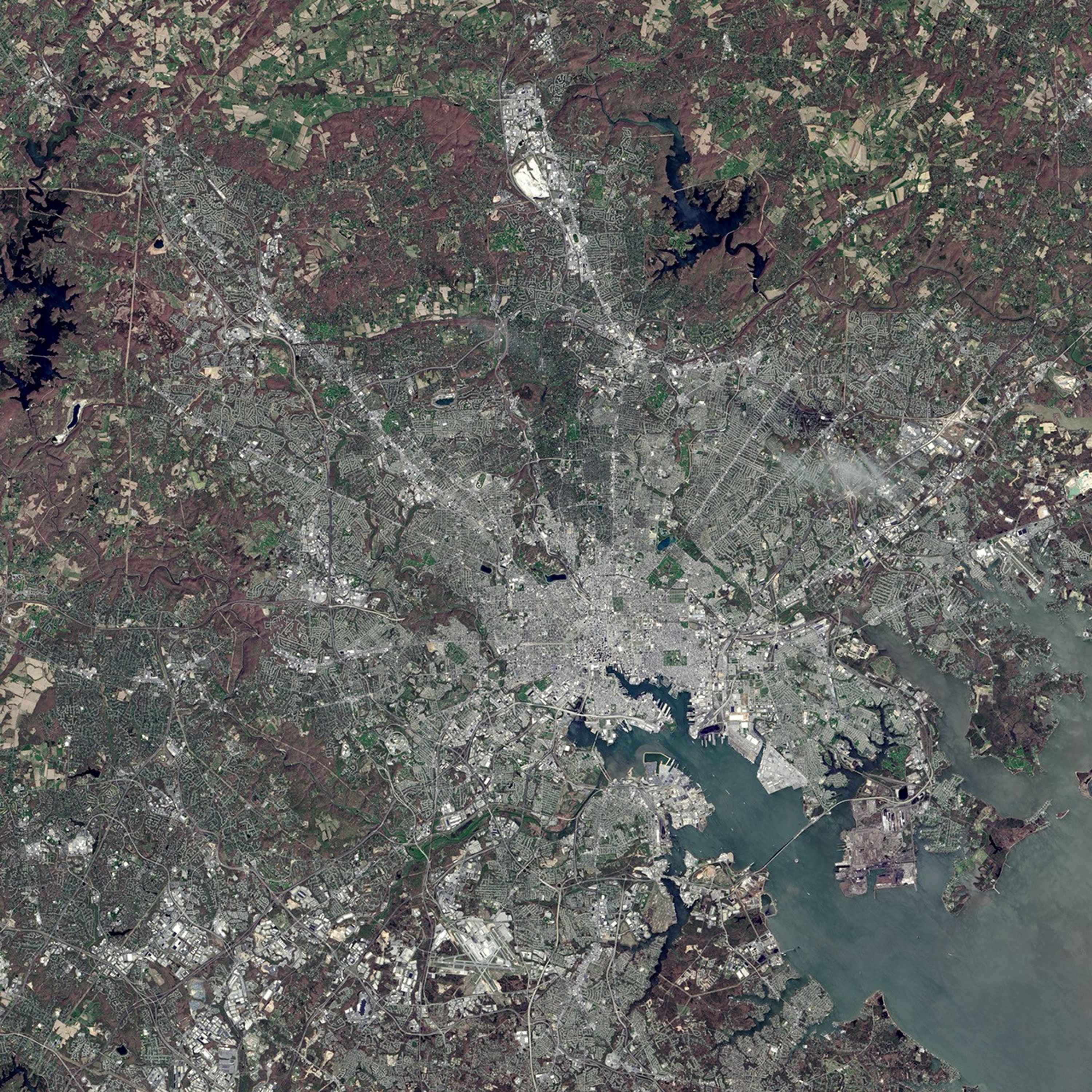
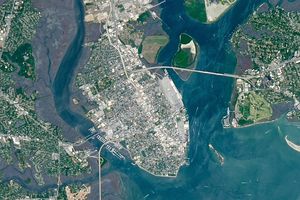
On April 24, 2014, the Operational Land Imager (OLI) on Landsat 8 captured this view of Baltimore, Maryland, and its harbor. Fort McHenry and its star-shaped ramparts—the place where “that star-spangled banner yet wave[d],” on September 14, 1814—stand at the entrance to the city’s Inner Harbor. The area was a pivotal battleground in the War of 1812.
In September 1814, British naval and ground forces advanced on the city of Baltimore, emboldened by the August 24 burning of the White House and the Capitol building in Washington, D.C. On September 12, British forces landed at North Point, 5 miles (8 kilometers) southeast of Baltimore (just off the lower right of this image), and engaged American troops in several small battles. By September 13, the land forces approached the city of Baltimore but were repelled by U.S. Army and Maryland militia forces assembled behind a mile of earthworks and trenches along Hampstead Hill—near what is now known as Patterson Park (image top center).
On the morning of September 13, British naval vessels set up positions roughly at the point where this image is labeled Baltimore Harbor. They began a 25-hour bombardment of Fort McHenry, staying far enough offshore to hit the fort with rockets and cannonballs but out of the range of American artillery. Unable to subdue the fort, and hampered by several merchant vessels that were intentionally sunk in the harbor, the British forces ended their attack on the morning of September 14.
The Battle of Baltimore moved a young American lawyer and negotiator to write a song entitled “Defense of Fort M’Henry.” Francis Scott Key had spent the night of September 13 on a British vessel in the Patapsco River, working to secure the release of American prisoners of war. Local legend in Maryland holds that the HMS Tonnant was anchored roughly where the Key Bridge is now located, giving Key a direct view toward Fort McHenry and “the rockets’ red glare, the bombs bursting in air,” that “gave proof through the night that our flag was still there.” On September 14, a clean 30 by 42 foot American flag was raised over Fort McHenry “by the dawn’s early light.”
Key’s four-verse song was published on September 20, 1814, in the Baltimore Patriot and the Advertiser. The battle hymn was eventually renamed “The Star-Spangled Banner,” and was declared the national anthem in 1931.
Beyond its pivotal role in the War of 1812, Baltimore has long been an important seaport on the East Coast of the United States, particularly because of its proximity by road and rail to inland agricultural and industrial hubs in the Midwest. Situated on the Chesapeake Bay, the city is now home to more than 600,000 residents. According to some media reports, nearly one-quarter of the jobs in the Baltimore area are related to science, technology, engineering, or mathematics. It is home to the Space Telescope Science Institute, the operations center for the Hubble Space Telescope.
NASA Earth Observatory image by Jesse Allen, using Landsat data provided by the U.S. Geological Survey. Story by Michael Carlowicz.
NASA Announces Winners for 2026 Human Lander Challenge
NASA has announced the top student-developed solutions for environmental control and life support systems in future crewed lunar landers from participants in the 2026 Human Lander Challenge. The announcement marks the culmination of months of research by university teams working to advance technologies supporting the agency’s Artemis program that will return American astronauts to the Moon in 2028.
The challenge concluded June 25 following final technical presentations near NASA’s Marshall Space Flight Center in Huntsville, Alabama. Since September 2025, student teams from across the nation have designed systems‑level approaches to enhance the performance and reliability of environmental control and life support technologies essential for astronauts during deep space missions.
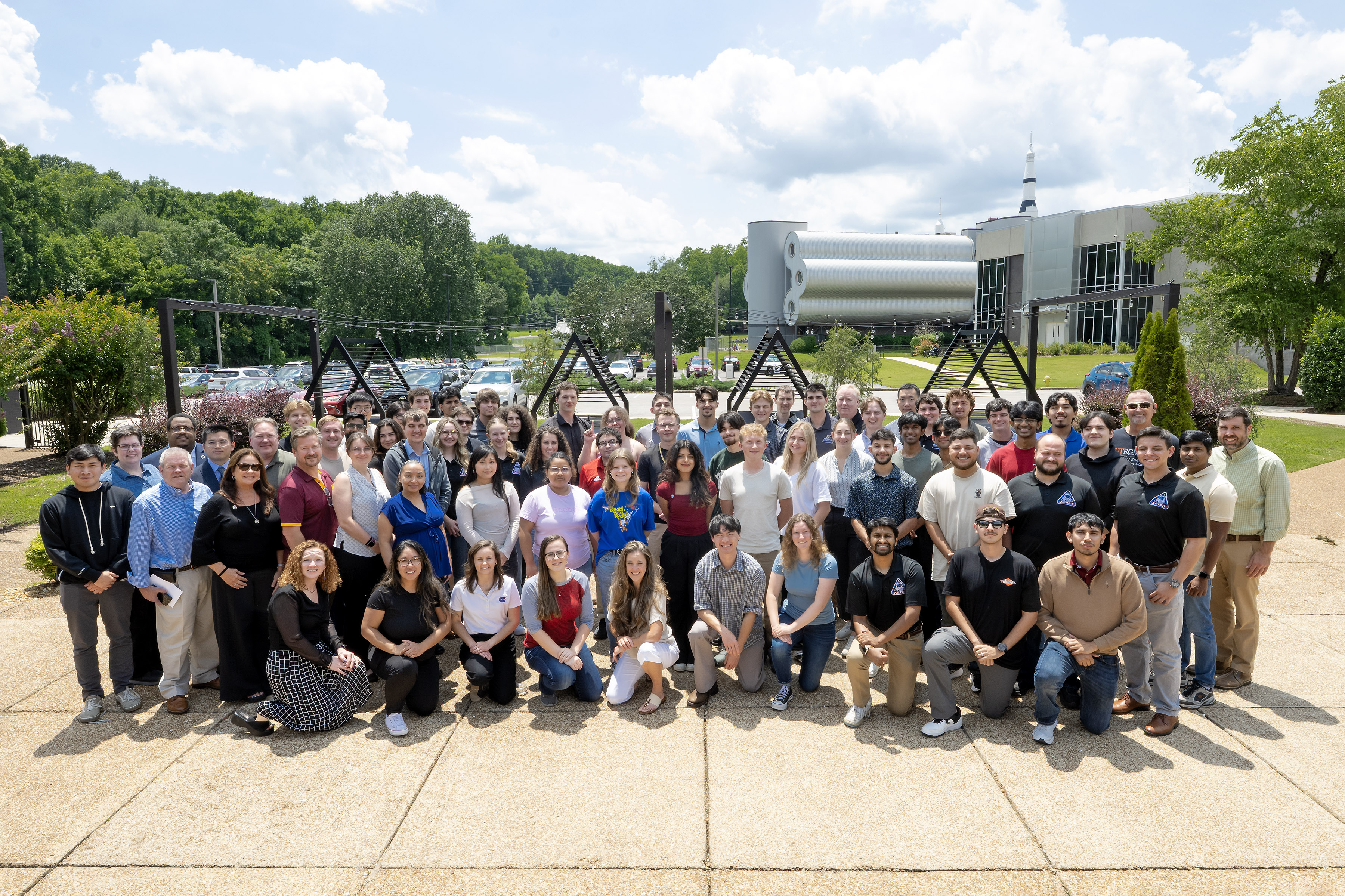
University students and advisors from 11 finalist teams gathered in Huntsville, home to NASA’s Marshall Space Flight Center, June 23-25 for the agency’s third annual Human Lander Challenge. This year’s competition challenged students to consider solutions for environmental control and life support systems for long duration spaceflight. These technologies are essential for maintaining breathable air, potable water, and thermal stability for astronauts during deep space missions.
NASA/Charles Beason
“As NASA continues preparing for sustained lunar exploration and future human missions to Mars, the development of robust, efficient, and reliable life support systems remains a critical focus area,” said Natalie Martinez-Vlasoff, mission capabilities and risk reduction advanced capabilities integration lead at NASA Marshall. “The 2026 student teams demonstrated a strong understanding of the range of design choices for these systems, and how well-considered, systems-level approaches can improve reliability and crew safety for astronauts using future human landing systems. It is encouraging to see students contributing ideas that help make long-duration lunar exploration more achievable.”
The finalist teams gathered at the U.S. Space & Rocket Center in Huntsville on June 22 to present their research to a panel of NASA and aerospace industry experts, as well as to their peers, during a collaborative poster session. The annual competition concluded with an awards ceremony recognizing the top-performing teams out of the 12 finalists.
NASA announced California Polytechnic State University as the overall winner and recipient of the $10,000 top prize award for their Peltier-based Hydration Accumulation Terminal project. Purdue University won second place and a $5,000 award for work on an Enhanced Potable Water Dispenser, followed by Embry-Riddle Aeronautical University, Daytona Beach,in third place with a $3,000 award for their Advanced Quality Orbital Rehydration Assembly project.
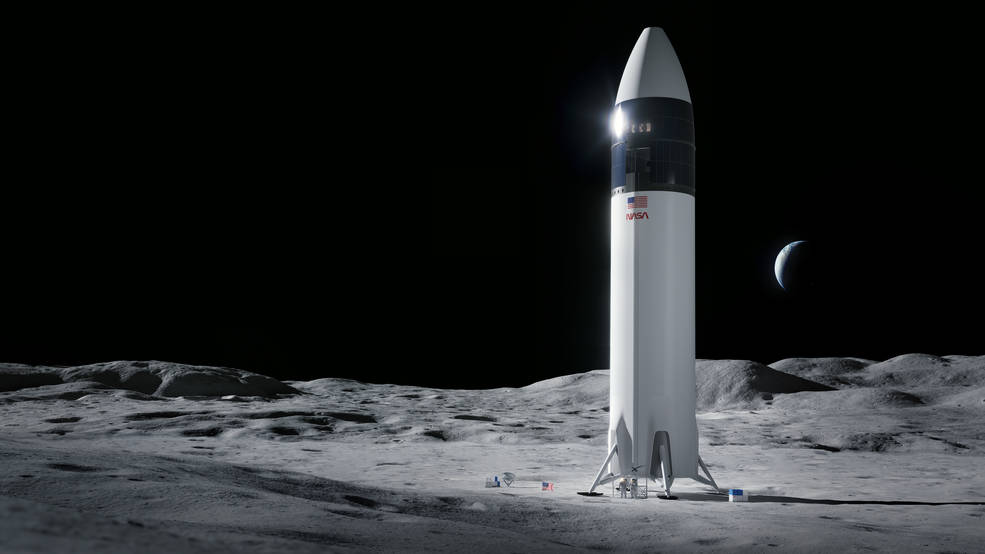
The Human Lander Challenge is designed to inspire and engage the next generation of engineers and scientists as NASA and its partners prepare to send astronauts to the Moon in preparation for future missions to Mars. The human landing system is the mode of transportation that will take astronauts to the lunar surface and back to lunar orbit under Artemis.
Through competitions like the Human Lander Challenge, NASA fosters the next generation of engineers and researchers while advancing the technologies needed for astronauts to explore deep space. These initiatives support the agency’s exploration goals while cultivating hands-on, problem-solving and systems thinking among future aerospace professionals. Student solutions from the Human Lander Challenge could be incorporated into current work for the next-generation Artemis landers.
NASA’s Human Landing System Program, managed by NASA Marshall, sponsors the challenge, which is administered by the National Institute of Aerospace.
Through the Artemis program, NASA will send astronauts to explore the Moon for scientific discovery, economic benefits, and to build the foundation for the first crewed missions to Mars – for the benefit of all.
For more information about the Artemis program, visit: