Discover the cosmos! Each day a different image or photograph of our fascinating universe is featured, along with a brief explanation written by a professional astronomer.
Colorful Aurora over Icelandic Waterfall
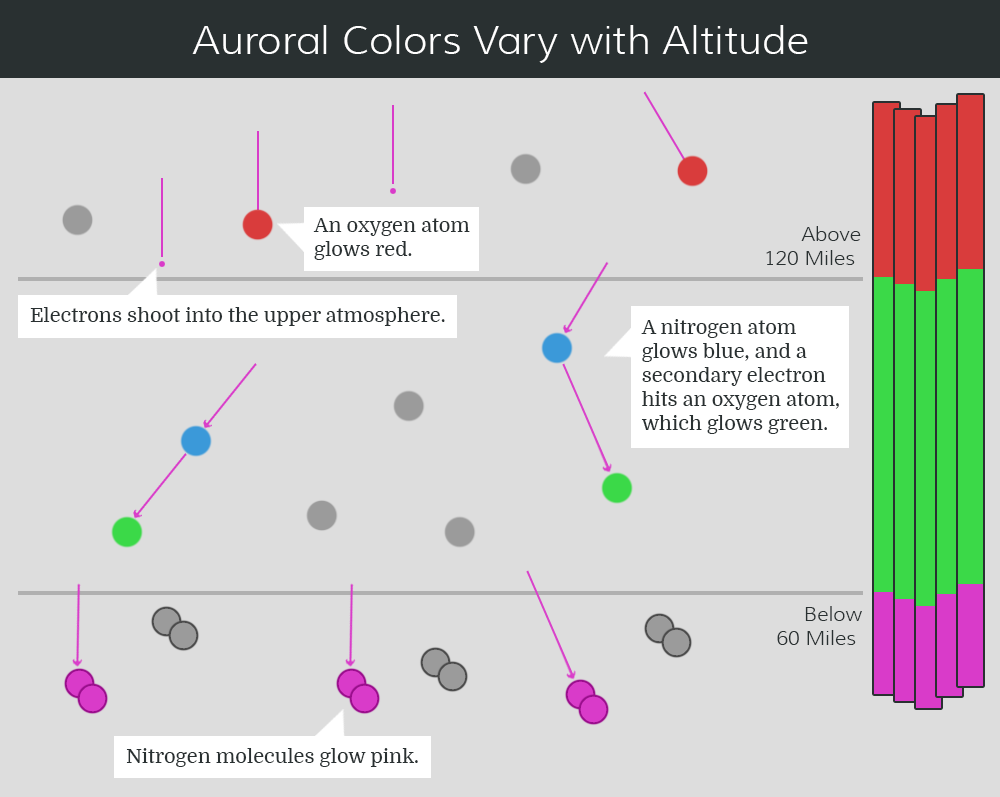
Explanation: What a sight to behold, when a night sky became filled with colors that appeared to rain over the Skógafoss waterfall in Iceland. This image was taken in a single 5 second exposure by the photographer in April 2025. Seeing an aurora is on many people’s bucket lists. But it is not easy. It requires high solar activity, dark and clear skies, and usually a viewing location at high latitude. That makes the northern lights more easily seen than the corresponding southern lights, simply because there is less landmass in the Southern Hemisphere, especially around the Antarctic Circle. Auroras are caused by charged particles from the solar wind that are captured by the Earth’s magnetosphere and guided by the magnetic field to a region close to one of the poles, where they collide with gas particles in the atmosphere. Different colors indicate interactions with different gases at different altitudes, like oxygen (red and green) and nitrogen (blue and pink).
NASA’s Earth-observing satellite missions track dozens of features of a changing planet — aerosols, sea levels, land cover, cloud cover — over years and decades. Sustaining that record for the scientific and operational communities who depend on it requires more than engineering talent. It requires planning for an uncertain future: anticipating where a mission delay or on-orbit event might create a gap in the data those communities rely on.
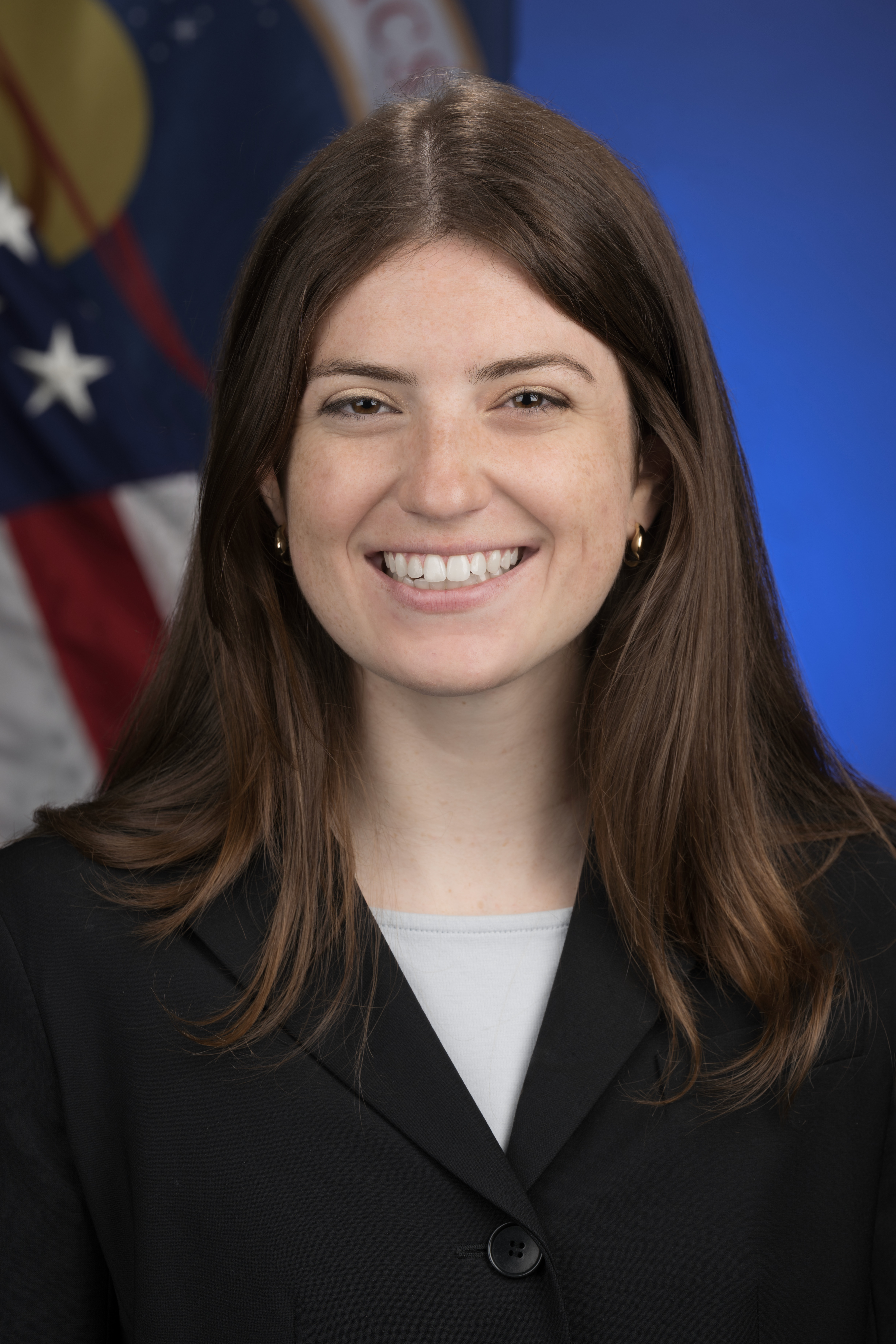
Lindsey Jacobson’s work helps NASA anticipate those disruptions before they happen and gives senior leaders options for managing them. A Pathways intern in engineering, Jacobson supports NASA’s Earth Science Division through the NASA Earth Science Strategic Integration Environment (NESSIE) team within the Systems Analysis and Concepts Directorate (SACD) at NASA’s Langley Research Center in Hampton, Virginia. NASA’s Pathways program connects undergraduate and graduate students with NASA centers through internships that, with satisfactory performance, can lead to full-time civil service positions. Jacobson has returned to NASA Langley every summer since 2022, splitting her time between the center and finishing her mechanical engineering dissertation at North Carolina State University.
Lindsey Jacobson, Pathways Intern
Credit: NASA
“The way we do Earth science is changing.“
The Problem Space
Jacobson and the NESSIE team support the Earth science satellite portfolio — dozens of missions, each measuring specific features of the planet, from clouds to sea surface temperature to land use. The goal is providing end user communities with the data products they depend on. The challenge is the unknown.
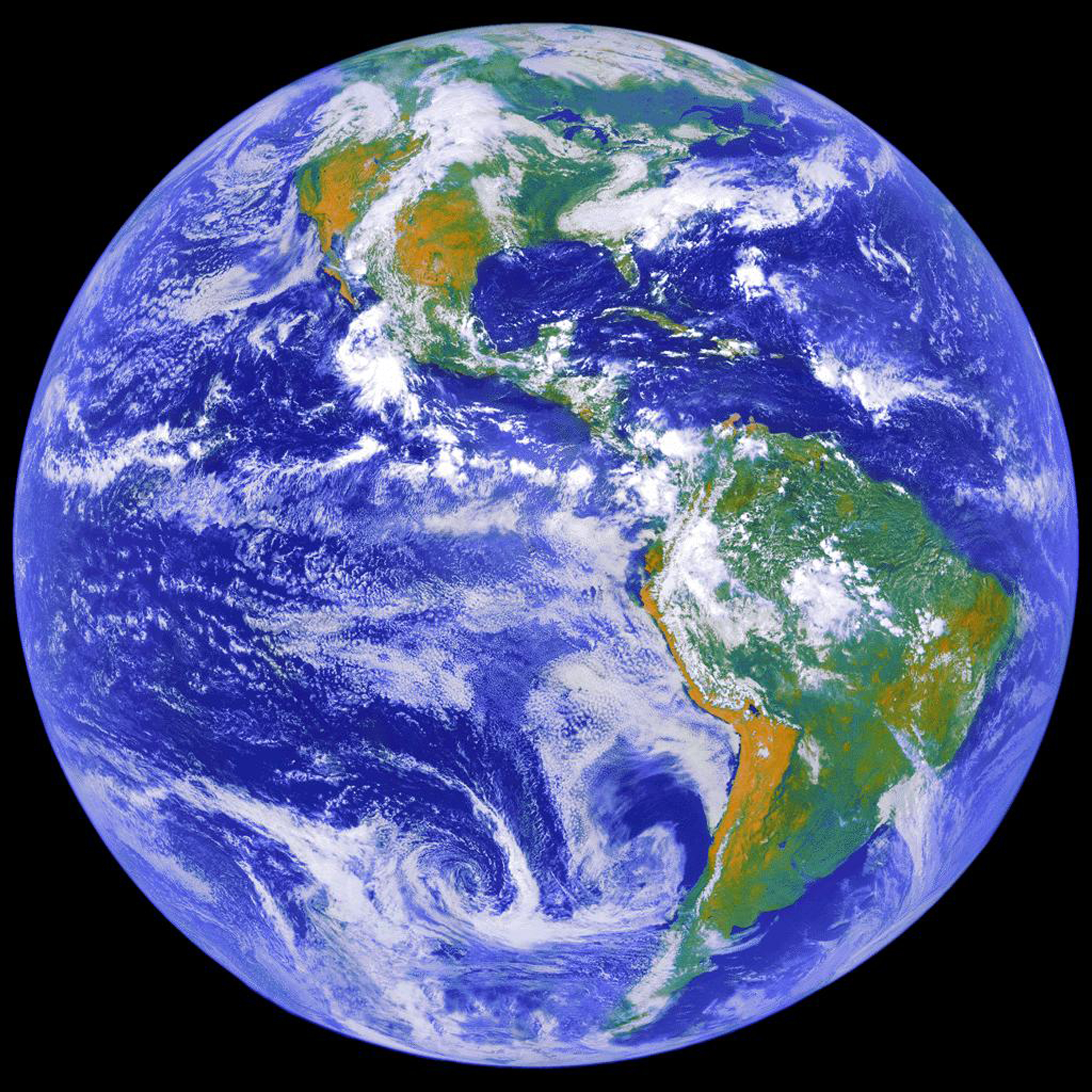
This image depicts a full view of the Earth, taken by the Geostationary Operational Environment Satellite (GOES-8), a satellite that was in service from 1994-2004. It was owned and operated by the National Oceanic and Atmospheric Administration (NOAA) and provided the kind of continuous monitoring necessary for intensive data analysis.
Credit: NASA
“There’s uncertainty about mission lifetimes and what could happen on orbit, and about schedules,” Jacobson explains. The team’s work gives NASA’s senior leadership a way to navigate that uncertainty: understanding where a gap in coverage might emerge and identifying options to mitigate or hedge against it. By providing alternative pathways for meeting end-user needs, this work supports senior leaders in managing a complex, interdependent portfolio.
Writing the Code
Within that effort, Jacobson’s focus is building analysis tools that give the team what she calls a “foresight ability.”
“It’s the ability to anticipate different things that might happen — changes that might occur across the portfolio of Earth-observing missions — and to have strategies in mind for how to respond, so we can keep delivering data to end users,” she says.
Not every change is bad news. Missions sometimes operate well beyond their planned lifespan, creating room to extend their value. But whether an adjustment is welcome or not, the principle is the same: know the options before anything happens.
Jacobson compares it to preparing for hurricane season. “You get the storm shutters, you buy the sandbags, and you have them pre-positioned,” she says. “Then when the warning comes, you’re not scrambling, and you’re not at risk of the store selling out. You already have what you need in place.” NESSIE’s work follows the same logic for the Earth-observing portfolio by understanding ahead of time what a disruption might mean and having a set of responses ready before anything happens.
“We proactively suggest the strategies and alternatives that could be enacted if there’s a change,” Jacobson says. “We do that ahead of time, so people understand what options might exist.”
Her approach carries echoes of her graduate research, which examines how complex systems — infrastructure that can’t simply be torn down and rebuilt, like the electric grid — must evolve deliberately instead. “We designed a grid, and now we live with that grid forever,” she says. “We can’t tear it down and build a new one. What we can do is modify, expand, and improve upon what we have.” It’s the same instinct for working with what exists, rather than starting from scratch, that shapes how she approaches her work at NASA.
Keeping Pace
Engineers arriving at NASA for the first time might expect the hardest part of the job to be technical. Jacobson found something else: the landscape itself is what demands the most adaptability.
“The way we do Earth science is changing,” she says. Commercial companies are increasingly contributing data alongside government agencies. New space agencies are entering the field. Innovative technologies and architectures are emerging all the time. Keeping pace with that shift — understanding how NASA’s own capabilities are evolving and how to best serve the communities that depend on the data — is as much a part of the job as any calculation.
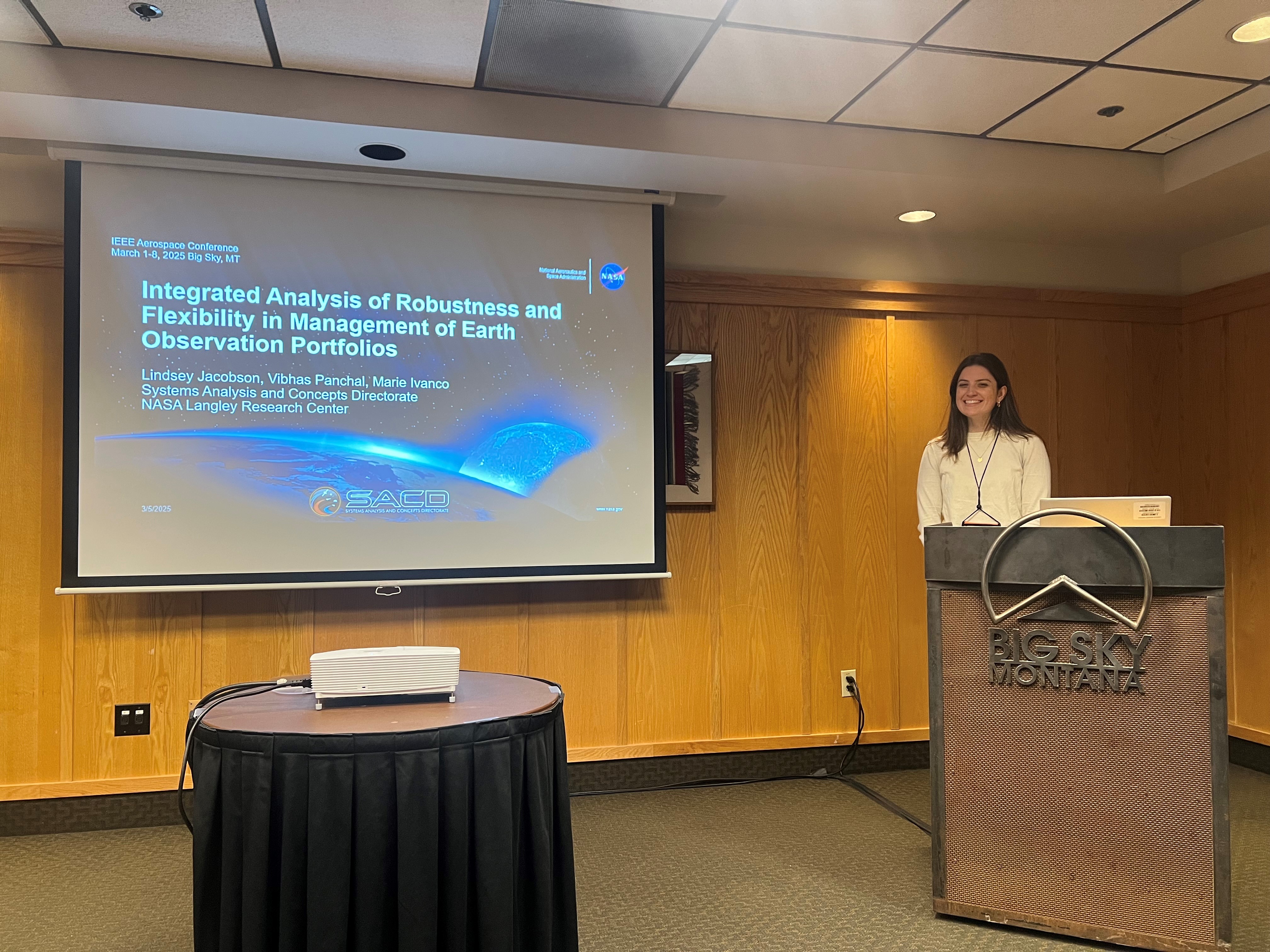
Jacobson presenting NESSIE’s work on managing portfolios of Earth-observing missions to meet science needs despite uncertainties in mission scheduling and lifetimes, Institute of Electrical and Electronics Engineers (IEEE) Aerospace Conference, 2025.
Credit: NASA
Some of that adaptability shows up in smaller ways too, like the growing role of AI tools in her team’s own workflow. “Langley has done a lot of firsts,” Jacobson says, echoing something she heard recently from Trina Dyal, NASA Langley’s director, at an intern event. “And we want to continue to be the first. That means learning new things and figuring out how to bring them into how we work.”
On Jacobson’s Sci-Fi Shelf
The Sirens of Titan by Kurt Vonnegut
Jacobson received this novel in high school, let it sit on her shelf for years, and finally picked it up during the pandemic.
“It was very special. It touches a lot on the meaning of life, and that connects to some of the reasons I was motivated by space in the first place. The idea that space exploration can bring humanity together. That cosmic perspective.”
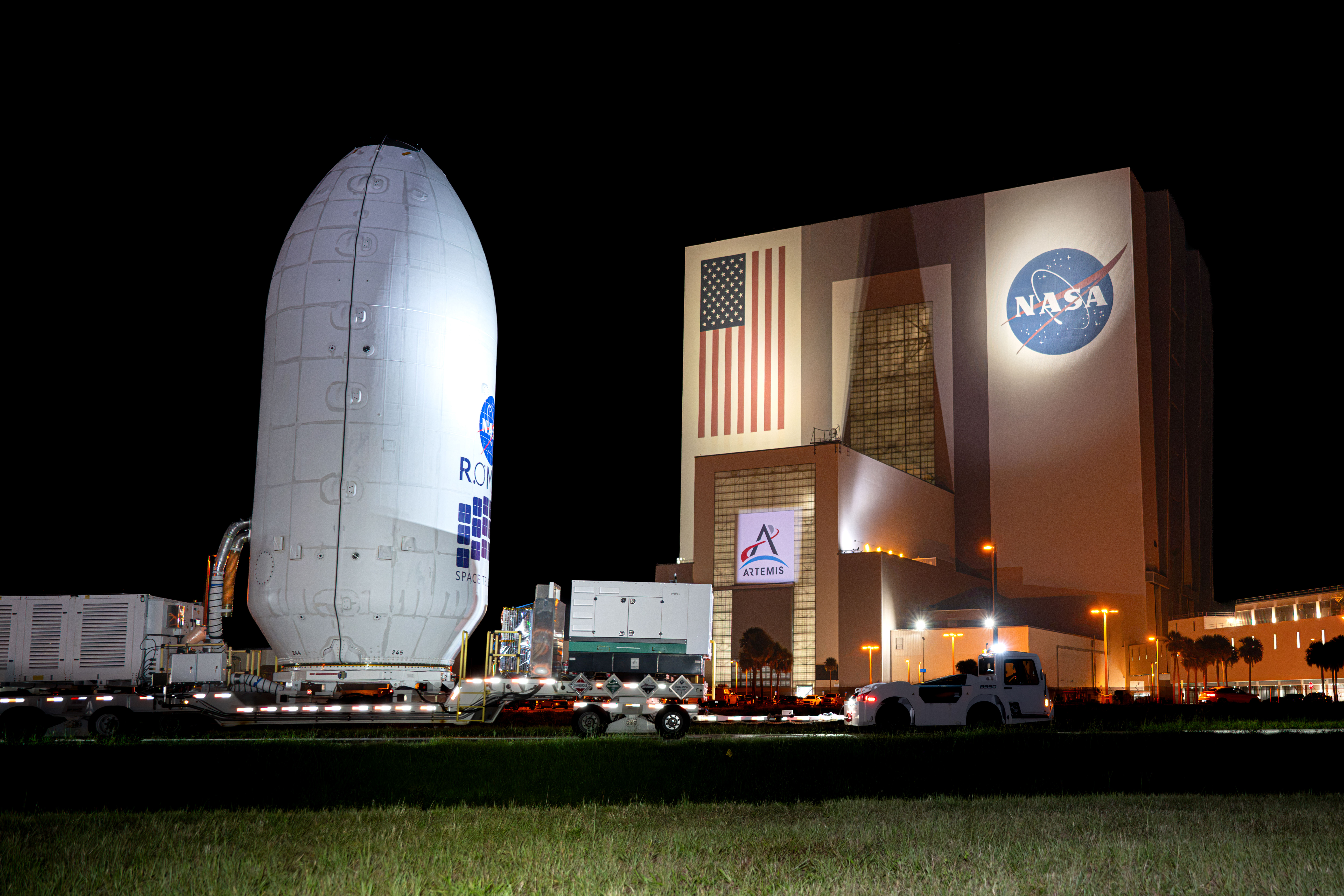
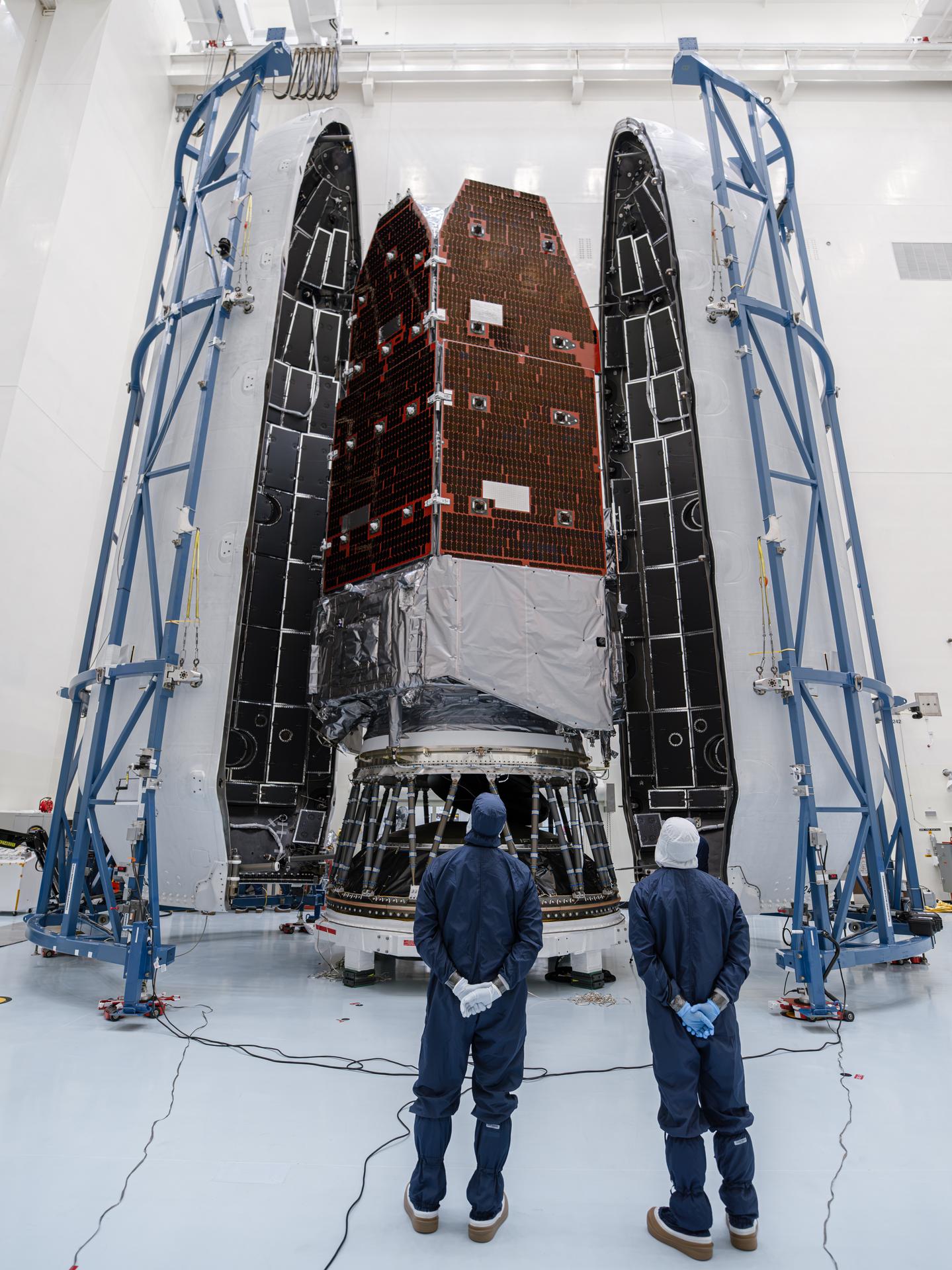
NASA’s Nancy Grace Roman Space Telescope, encapsulated in its payload fairing, travels from the Payload Hazardous Servicing Facility to the SpaceX hangar at Launch Complex 39A at NASA’s Kennedy Space Center on Tuesday, Aug. 25, 2026, ahead of mating to a SpaceX Falcon Heavy rocket.
Roman’s science instruments are designed to help researchers understand dark energy, the mysterious force accelerating the universe’s expansion. The observatory also will map how galaxies form, cluster, and evolve by tracing the influence of dark matter. Liftoff from NASA Kennedy is targeted no earlier than Sunday, Aug. 30, 2026.
NASA will announce the winners of the final phase of its LunaRecycle Challenge on Friday, Aug. 28, at The University of Alabama (UA) Lee Styslinger College of Engineering in Tuscaloosa, Alabama. Launched in 2024, the challenge incentivizes the invention of new recycling systems that could support non-metabolic waste management efforts for future lunar missions.
Media and the public are invited to the challenge’s Technology Showcase and Winners Announcement, where up to 14 finalist teams will showcase their solutions and hear from NASA and UA leadership about the future of lunar innovation. Opening remarks will begin at 8:30 a.m. CDT on Aug. 28, in Room 1026 of H.M. Comer Hall on the UA campus.
Media interested in covering the event should confirm their attendance with the NASA Marshall newsroom by 3 p.m., Wednesday, Aug. 27, at: joel.w.wallace@nasa.gov.
The LunaRecycle Challenge is a $3 million, two-phase competition focused on the design and development of recycling solutions that can reduce non-metabolic waste and improve the sustainability of longer-term lunar missions. In the Final Round of Phase 2, invited teams were tasked with refining their prototype and digital twin concepts in preparation for live testing at McAbee Construction in Tuscaloosa earlier this month.
After this event, up to 11 teams will receive a portion of the $1.325 million prize purse from NASA for their prototype and digital twin solutions. The top two prototypes will earn $475,000 and $200,000, while top two digital twins will receive $275,000 and $125,000. Up to six Technical Achievement Prizes will be awarded to teams who excel in categories determined by the judging panel during final deliberations. Additionally, a $25,000 People’s Choice Award will be presented to the team who receives the most votes from the public and stakeholders throughout the Technology Showcase.
Winners will be announced live during the Technology Showcase closing ceremony, which begins at 12 p.m.
The LunaRecycle Challenge is managed at NASA’s Marshall Space Flight Center by Centennial Challenges, part of the Prizes, Challenges, and Crowdsourcing Program within NASA’s Research and Technology Mission Directorate. NASA’s Centennial Challenges have a legacy of more than 20 years engaging the public to solve complex problems that benefit NASA’s broader initiatives. Past challenges have spurred advances in robotics, additive manufacturing, power and energy, textiles, chemistry, and biology.
Phase 1 of the competition received record-breaking interest from the global innovator community. The challenge received more than 1,200 registrations – more than any competition in the 20-year history of Centennial Challenges – and a panel of 50 judges evaluated nearly 200 submissions. Seventeen teams were selected as Phase 1 winners, representing five countries and nine U.S. states, announced via livestream on NASA Marshall’s YouTube channel.
The LunaRecycle Challenge also is supported by recycling subject matter experts at NASA’s Kennedy Space Center in Florida and NASA’s Ames Research Center in California’s Silicon Valley. The University of Alabama Lee J. Styslinger Jr. College of Engineering executes the challenge in partnership with NASA.
To learn more about the LunaRecycle Challenge visit:
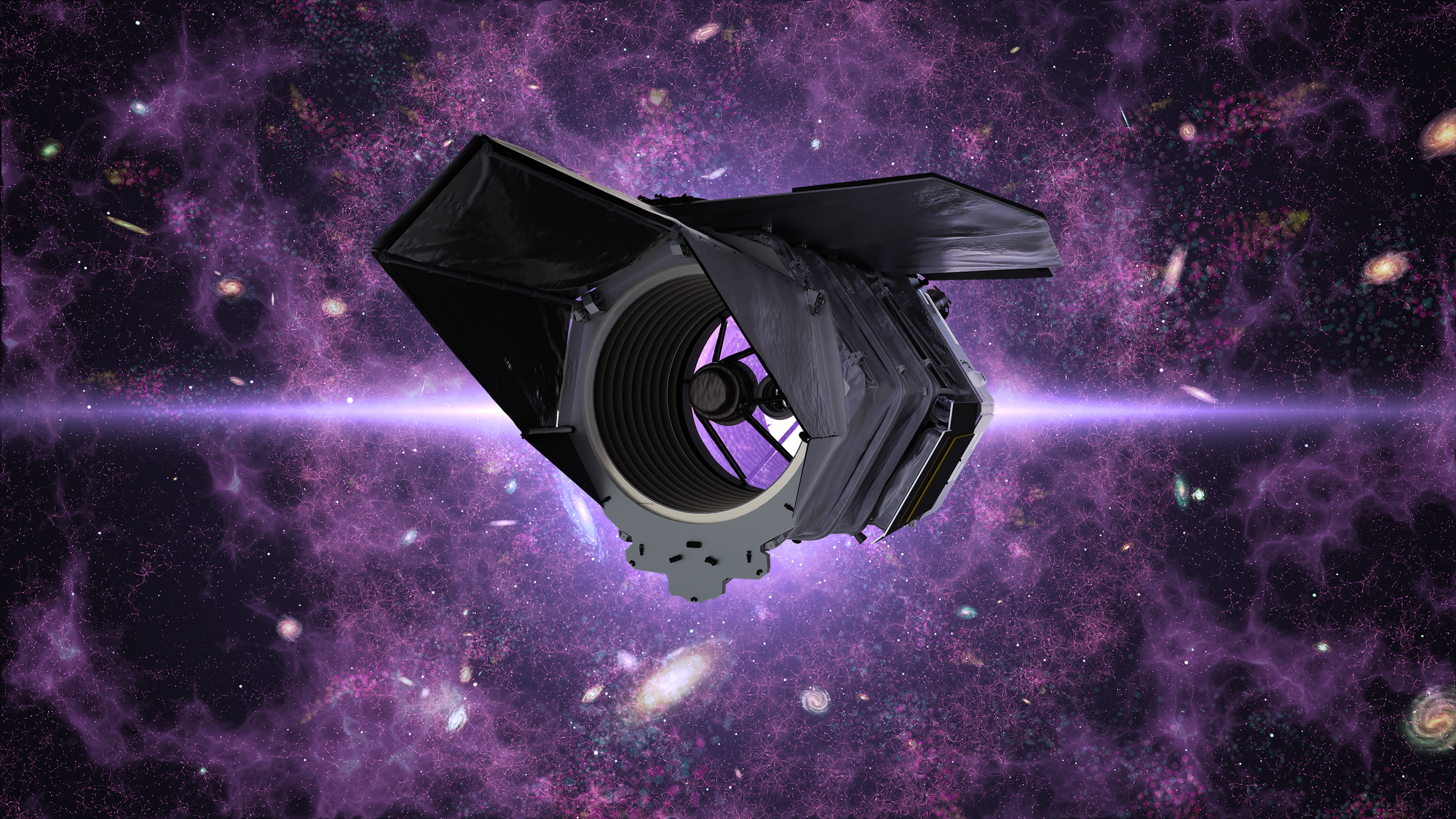
The Nancy Grace Roman Space Telescope is a NASA observatory designed to settle essential questions in the areas of dark energy, exoplanets, and infrared astrophysics.
NASA
Set to launch on Sunday, Aug. 30, NASA’s Nancy Grace Roman Space Telescope will empower astronomers to explore vast regions of the cosmos and settle essential questions in the areas of dark energy, dark matter, planets outside our solar system, and the formation and growth of galaxies over cosmic time. Key contributions to Roman’s mission made by researchers at NASA’s Ames Research Center in California’s Silicon Valley will advance Roman’s science using the center’s facilities, expertise, and innovations.
Tools to predict, remove glare
Roman’s main camera, the Wide Field Instrument, will capture expansive high-resolution pictures of the universe in optical and near-infrared light. These unprecedented images will enable astronomers to decode some of the deepest mysteries of the cosmos.
Forms of glare that Roman’s camera collects diminish image quality and thereby reduce the ability of astronomers to characterize certain cosmic structures. Innovative software developed by a team at NASA Ames, with collaborators at NASA’s Goddard Space Flight Center in Greenbelt, Maryland, and IPAC/Caltech in Pasadena, California, will improve Roman’s images and optimize observing plans. Called ROSALIA (Roman Sky Analyst for Low Surface Brightness Imaging and Astronomy), the software predicts and removes unwanted light from astronomical images captured by Roman’s Wide Field Instrument.
Contaminating stray light occurs when photons scatter inside the telescope’s optical system. Resulting light glints can produce deceptive image artifacts that mimic the appearance of real planets or nebulae. The ROSALIA software will allow astronomers to adjust their observation plans to limit glints from contaminating science targets in Roman’s images.
In addition to bright glints, stray light can also appear as a diffuse background. This form of stray light interferes with observations of the darkest regions of the universe, which is critical to understanding how large structures in the universe were formed.
Another major contributor to obscuring background light is produced by nature itself: zodiacal light. Zodiacal emission originates from the scattering of sunlight by interplanetary dust particles in our solar system. The ROSALIA software predicts and strips away background contamination, including zodiacal and stray light from images, exposing the faint, diffuse emissions at galaxy edges where cosmic evolutionary histories are hidden.
Simulated, unprocessed
Simulated, processed
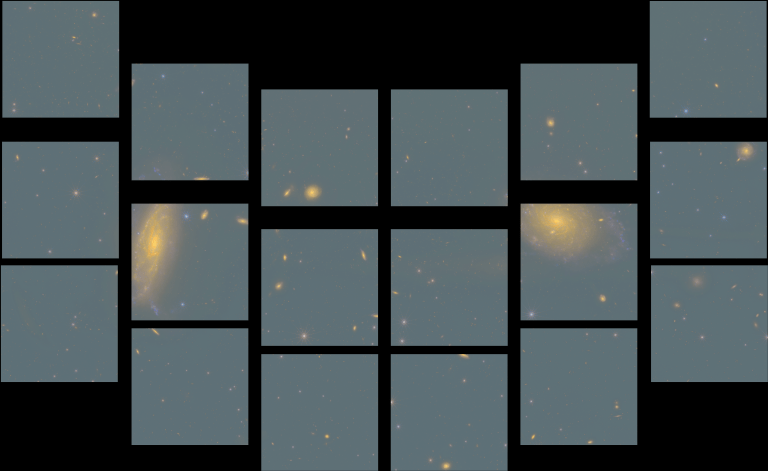
Simulated unprocessed image, as it would be captured by the Roman Space Telescope’s Wide Field Instrument, showing two interacting galaxies
NASA
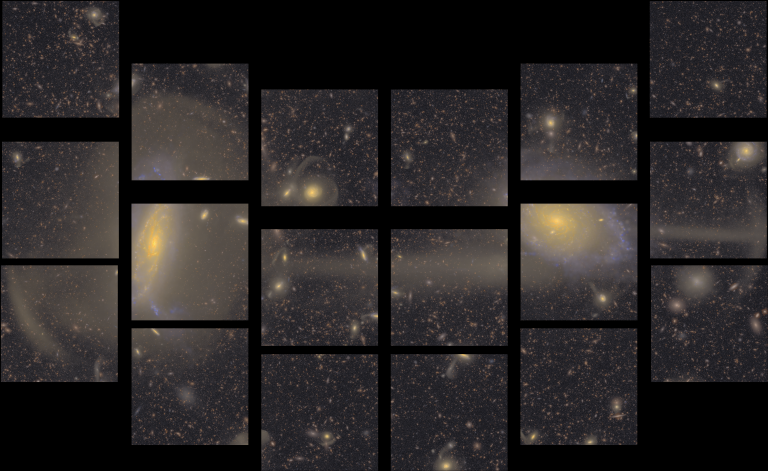
Simulated image, as it would be captured by the Roman Space Telescope’s Wide Field Instrument and then processed using NASA’s Roman Sky Analyst for Low Surface Brightness Imaging and Astronomy tools to remove glare, showing two interacting galaxies.
NASA
Simulated unprocessed image, as it would be captured by the Roman Space Telescope’s Wide Field Instrument, showing two interacting galaxies
NASA
Simulated image, as it would be captured by the Roman Space Telescope’s Wide Field Instrument and then processed using NASA’s Roman Sky Analyst for Low Surface Brightness Imaging and Astronomy tools to remove glare, showing two interacting galaxies.
NASA
Simulated, unprocessed
Simulated, processed
BEFORE AND AFTER PROCESSING
Simulated View From Roman’s Wide Field Instrument
Left: Simulated unprocessed image, as it would be captured by the Roman Space Telescope’s Wide Field Instrument, showing two interacting galaxies. Right: Simulated image of the same view after stepwise processing, using NASA’s Roman Sky Analyst for Low Surface Brightness Imaging and Astronomy (ROSALIA) tools, to remove four types of glare: zodiacal light, thermal background, stray-light, and stellar emission. The result is cleaner, sharper images where galaxies can be detected in greater detail. Image credits: NASA/Borlaff, Sanchez-Alarcon, Nickerson, Marcum and ROSALIA team/STScI/FIRE/DREAM
New ‘multi-star’ tech to see exoplanets
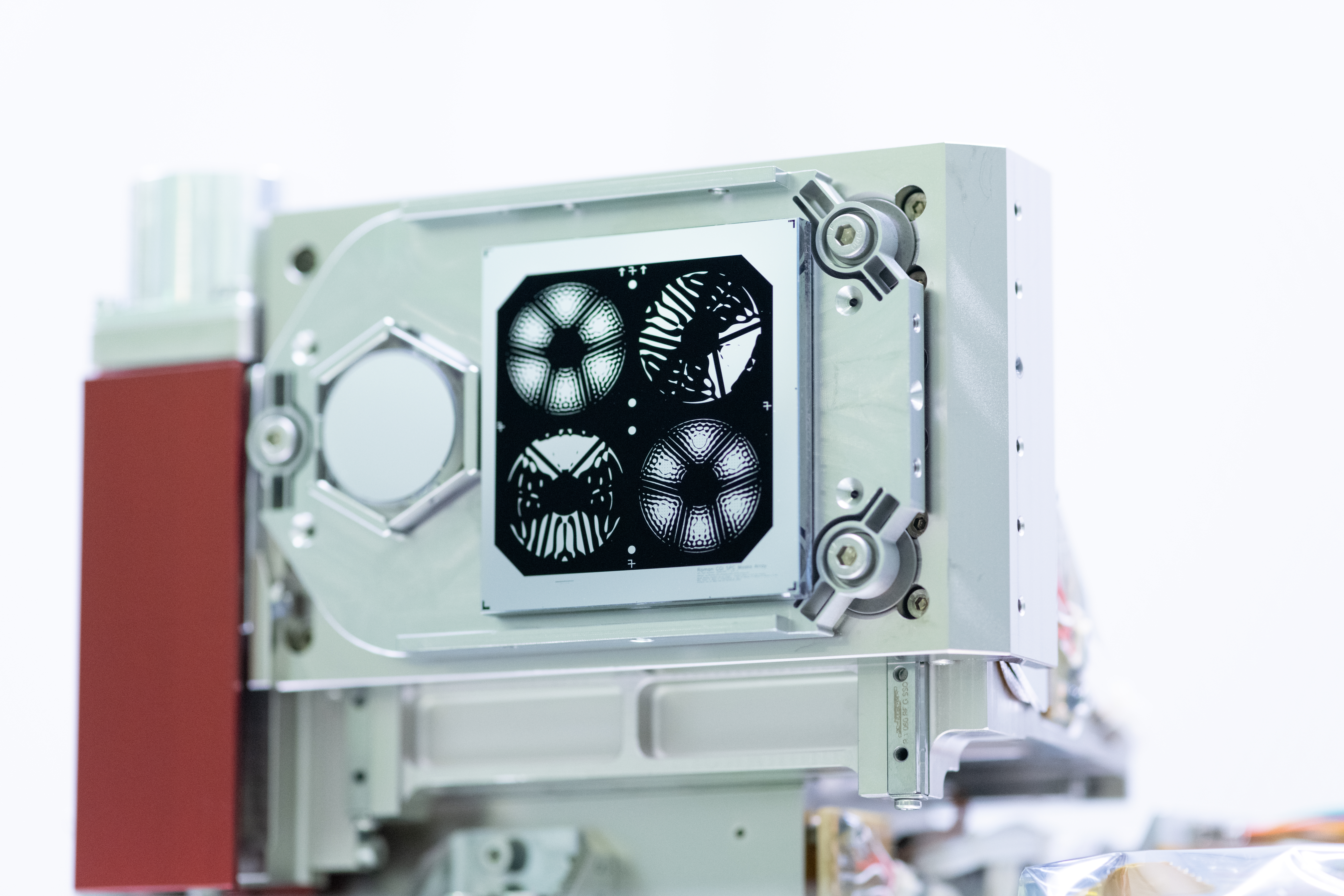
The Roman Coronagraph Instrument is one of two instruments flying on Roman. It will demonstrate the most advanced technologies ever flown in space for directly imaging planets around other stars. The Roman Coronagraph uses a series of masks and mirrors, including two deformable mirrors, to suppress starlight. By precisely controlling the shape of the deformable mirrors, it creates a “dark zone” around the star where observers can see the faint reflected light from orbiting planets.
The baseline operating mode of the Roman Coronagraph Instrument supports observation of exoplanets only in single star systems, as current coronagraph instruments cannot typically suppress the additional contaminating starlight in multi-star systems, such as binary star systems.
Our solar system has a single star, the Sun. But roughly half of Sun-like stars are in multi-star systems. Having the ability to directly image exoplanets in multi-star systems will increase the likelihood of detecting life beyond our solar system and will expand our knowledge about how exoplanets form and evolve, since there are major differences in how those processes unfold in single star versus multi-star systems. Eliminating overlapping glares from multiple stars is the key challenge that must be overcome to image planets in such systems.
Researchers at NASA Ames are meeting that challenge with an innovative technology called Multi-Star Wavefront Control (MSWC). This technology includes custom light-blocking masks and accompanying software designed to suppress the light from multiple stars and reveal hidden exoplanets. Through a collaboration with NASA’s Jet Propulsion Laboratory in Southern California, the MSWC masks are included on the Roman Coronagraph’s flight instrument as an added capability beyond Roman’s baseline observation modes. They could be used if additional observation time is granted to the coronagraph team after the primary technology demonstration phase is completed.
The nearest star system to our solar system, Alpha Centauri, is one of the nearest multi-star systems to Earth, at only four light-years away. This triple-star system contains a binary of Sun-like stars – Alpha Centauri AB – orbited by a much smaller and dimmer star – Proxima Centauri. Although no exoplanets are confirmed around the Sun-like stars in this system, a planet candidate has been identified by NASA’s James Webb Space Telescope in the habitable zone of Alpha Centauri A. Researchers, including the Ames MSWC team, are working to develop the capabilities needed to observe this system.
NASA Ames also provides leadership and support for the hardware working group as part of the Roman Coronagraph Participation Program. This program allows international teams of researchers to enable additional capabilities to the Roman Coronagraph beyond its baseline modes; this includes the multi-star modes being developed at NASA Ames that use different masks beyond the baseline or new wavefront control and sensing algorithms.
Close-up view of four of the Roman Coronagraph’s optical masks. The bottom-right mask, shaped like a six-petaled flower, is designed to suppress the light from multiple stars and reveal hidden exoplanets.
NASA JPL/Chris Gunn
Advanced supercomputing
Experts at NASA’s Advanced Supercomputing Division at Ames are advancing Roman’s science by bringing extensive experience in data pipelines and mission operations to provide advice and guidance to the Roman project through key mission development phases. This ensures reliable performance of ground-based systems and operations so that science data processing is efficient and the quality and integrity of the resulting science data products is high.
NASA Advanced Supercomputing researchers collaborated with the Ames MSWC team to develop high-performance computing tools for multi-star wavefront control simulations and to conduct studies to assess the feasibility of the MSWC technique.
NASA’s Pandora Mission Begins Study of Exoplanets, Host Stars
Pandora, NASA’s newest exoplanet mission and the first satellite to launch through the agency’s Astrophysics Pioneers program, is now making unique observations of worlds beyond our solar system and the stars they orbit. The mission will determine the atmospheric make-up of at least 20 exoplanets, including the presence of hazes, clouds, and water.
“Pandora’s data will help close a major gap in our knowledge about planets and their host stars because, right now, we can’t be entirely sure how the star’s light affects measurements of what makes up exoplanet atmospheres,” said Elisa Quintana, Pandora’s principal investigator at NASA’s Goddard Space Flight Center in Greenbelt, Maryland. “We designed the Pandora spacecraft and its in-depth observing program to better understand this vexing issue.”
Artist’s concept of NASA’s Pandora mission, which will help scientists untangle the signals from exoplanets’ atmospheres and their stars.
NASA’s Goddard Space Flight Center/Conceptual Image Lab
The results of the mission will lay a firm foundation for interpreting measurements by NASA’s James Webb Space Telescope, as well as future observatories focused on finding habitable worlds. In fact, Pandora’s near-infrared detector is a spare originally developed for Webb.
“The spacecraft is healthy and all of the instruments are performing as well as we could have hoped,” said Jordan Karburn, Pandora’s deputy project manager at Lawrence Livermore National Laboratory in California. “Our team’s hard work throughout the commissioning process has paid off, and we can now confidently start science.”
This artist’s concept summarizes NASA’s Pandora mission and its science goals. Pandora will repeatedly observe multiple planets and their host stars in both visible and near-infrared light. These measurements will enable astronomers to separate chemical fingerprints detected in a planet’s atmosphere from potentially misleading signals originating from its host star.
Launched into low Earth orbit on Jan. 11, Pandora is an ambitious small satellite (SmallSat) funded by NASA’s Astrophysics Pioneers program. Pioneers are designed to explore compelling questions about the universe with fast-paced, low-cost missions that require a higher-than-usual tolerance for failure.
Three factors make Pandora unique. It carries a novel all-aluminum telescope about 18 inches (45 centimeters) in diameter, it will study planets and their host stars simultaneously in both visible and infrared light, and it will observe targets for a much longer time than flagship observatories like Webb are able to.
Telescopes can sample a planet’s atmosphere in systems where the planet passes in front of its star as seen from our perspective. During this event, called a transit, some starlight skims the planet’s atmosphere before making its way to us. As this light interacts with atmospheric molecules, their chemical fingerprints become embedded in it. For each molecule, astronomers see brightness dips at characteristic wavelengths.
But our instruments also see light from the whole star, not just what grazes the planet. Stellar surfaces aren’t uniform. They sport hotter, brighter areas called faculae and cooler, darker regions similar to sunspots. Both can grow, shrink, and change position as the star rotates.
“Water is one of the most important molecules we can measure to understand the composition and physical conditions of an exoplanet atmosphere,” said Benjamin Rackham, a team member at the Massachusetts Institute of Technology in Cambridge. “But features on the star can distort the water signal we’re searching for. Pandora is designed to disentangle the signals from the planet and the star, helping us to understand the planets more accurately and laying the groundwork for the eventual study of planets that could harbor life.”
Watch to learn more about NASA’s Pandora mission, which will revolutionize the study of exoplanet atmospheres. NASA’s Goddard Space Flight Center
Pandora’s telescope, jointly developed by Livermore and Corning Specialty Materials in Keene, New Hampshire, and its detectors make up the mission’s heart. The detectors will capture the star’s brightness in visible light and its near-infrared spectrum at the same time, while also obtaining a near-infrared spectrum from the planet when it transits the star. Over the course of its year-long primary mission, Pandora will observe at least 20 exoplanets 10 times with a long-duration stare covering 24 hours, with a transit included in each observation.
“Pandora’s advantage is its ability to observe targets for extended periods at multiple wavelengths, something high-demand flagship missions like Webb cannot regularly do,” said Knicole Colón, the mission’s project scientist at NASA Goddard. “Combining Pandora and Webb data will uniquely enable scientists to determine the properties of stellar surfaces and cleanly separate star and planetary signals.”
Pandora is led by NASA’s Goddard Space Flight Center. Lawrence Livermore National Laboratory provides the mission’s project management and engineering. Pandora’s telescope was manufactured by Corning and developed collaboratively with Livermore, which also developed the imaging detector assemblies, the mission’s control electronics, and all supporting thermal and mechanical subsystems. The infrared sensor was provided by NASA Goddard. Blue Canyon Technologies provided the bus, performed spacecraft assembly, integration and environmental testing, and is providing mission operations support. NASA’s Ames Research Center in California’s Silicon Valley performs the mission’s data processing. Pandora’s science data is available at the NASA Exoplanet Archive, which is operated by IPAC at the California Institute of Technology in Pasadena. The University of Arizona leads mission operations for Pandora and contributes to its science program. Many additional universities also support the science team.
To learn more about the Pandora mission, please visit:
NASA’s Nancy Grace Roman Space Telescope is encapsulated within the payload fairing at the agency’s Kennedy Space Center in Florida, ahead of mating to a SpaceX Falcon Heavy rocket for launch.
Credit: NASA/Sydney Rohde (Rocz)
Coverage plans are ready for NASA’s Nancy Grace Roman Space Telescope prelaunch and launch activities. Roman is NASA’s next-generation observatory designed to explore some of the universe’s biggest mysteries, including dark energy.
NASA and SpaceX are targeting Roman’s liftoff for no earlier than 7:26 a.m. EDT Sunday, Aug. 30, aboard a SpaceX Falcon Heavy rocket from Launch Complex 39A at the agency’s Kennedy Space Center in Florida. Launch coverage begins at 6:20 a.m.
Live coverage of these events will stream through a variety of platforms. Learn where to watch online:
Named for NASA’s first chief astronomer, the Nancy Grace Roman Space Telescope will pair sharp infrared vision with a field of view at least 100 times larger than the agency’s Hubble Space Telescope. Its crisp, sweeping surveys will help scientists investigate dark energy and dark matter, discover and characterize exoplanets, map billions of galaxies, study black holes, and explore objects from our own solar system to the edge of the observable universe.
After launch and separation from the rocket, Roman will travel to the second Sun-Earth Lagrange point, or L2, about one million miles from Earth. The mission has a five-year primary lifetime with a goal of operating for 10 years, and Roman’s science data will be publicly available after processing.
NASA’s mission coverage is as follows (all times are Eastern and subject to change based on real-time operations):
Saturday, Aug. 29
9 a.m.: NASA’s Roman Space Telescope Mission Science Briefing: The briefing will take place in the NASA Kennedy Press Site auditorium with the following participants:
Shawn Domagal-Goldman, director, Astrophysics Division, NASA Headquarters
Julie McEnery, Roman telescope senior project scientist, NASA Goddard Space Flight Center
Vanessa Bailey, Roman Coronagraph Instrument scientist, NASA Jet Propulsion Laboratory
Kristen McQuinn, Roman Science Operations Center lead, Space Telescope Science Institute
Lee Armus, Roman Science Support Center lead, Caltech/IPAC
Media may ask questions in person or by phone. Limited auditorium space will be available for in-person participation. For the dial-in number and passcode, media should contact the NASA Kennedy newsroom no later than one hour before the briefing at: ksc-newsroom@mail.nasa.gov.
10:30 a.m.: NASA’s Roman Space Telescope Prelaunch News Conference: The news conference will take place in the NASA Kennedy Press Site auditorium with the following participants:
Nicky Fox, associate administrator, Science Mission Directorate, NASA Headquarters
Lucas Paganini, Roman telescope program executive, NASA Headquarters
Jackie Townsend, Roman telescope project manager, NASA Goddard
Denton Gibson, launch director, NASA’s Launch Services Program, NASA Kennedy
Julianna Scheiman, director, NASA Science and Dragon Programs, SpaceX
Justin McReynolds, launch weather officer, 45th Weather Squadron, U.S. Space Force
Media may ask questions in person or by phone. Limited auditorium space will be available for in-person participation. For the dial-in number and passcode, media should contact the NASA Kennedy newsroom no later than one hour before the briefing at: ksc-newsroom@mail.nasa.gov.
11:45 a.m.: NASA Administrator Jared Isaacman is expected to fly past the Nancy Grace Roman Space Telescope and Falcon Heavy rocket on the launchpad in his jet. The flyby will be shown live on the same stream as the prelaunch news conference, with a view of the launch pad during the transition. The flyby is subject to weather and operational considerations.
12 p.m.: In-person interviews will take place in the NASA Kennedy Press News Center:
Nicky Fox, associate administrator, Science Mission Directorate, NASA Headquarters
Lucas Paganini, Roman telescope program executive, NASA Headquarters
Dalia Kirschbaum, acting director, Sciences and Exploration Directorate, NASA Goddard
Josh Schlieder, Roman telescope project scientist, NASA Goddard
Jason Hylan, Roman telescope flight segment and observatory manager, NASA Goddard
Bertrand Mennesson, Roman Coronagraph Instrument project scientist, NASA JPL
Jeff Hanke, president, Space Systems, Space and Mission Systems, L3Harris Technologies
Wendy Minotti, program manager, Exquisite Imaging, Space and Mission Systems, L3Harris Technologies
Bonnie Patterson, vice president and general manager, Civil Space, Space and Mission Systems, BAE Systems
Sarah Lipscy, director, Strategic Operations, Space and Mission Systems, BAE Systems
Previously credentialed media interested in scheduling an interview should contact the NASA Kennedy newsroom at: ksc-newsroom@mail.nasa.gov.
Sunday, Aug. 30
6:20 a.m.: Launch coverage begins.
7:26 a.m.: Launch
9:30 a.m.: Postlaunch news conference with the following participants:
NASA Administrator Jared Isaacman
Nicky Fox, associate administrator, Science Mission Directorate, NASA Headquarters
Jackie Townsend, Roman telescope project manager, NASA Goddard
Julie McEnery, Roman telescope senior project scientist, NASA Goddard
Denton Gibson, launch director, NASA’s Launch Services Program, NASA Kennedy
Media may ask questions in person or by phone. Limited auditorium space will be available for in-person participation. For the dial-in number and passcode, media should contact the NASA Kennedy newsroom no later than one hour before the news conference at: ksc-newsroom@mail.nasa.gov.
Audio-only coverage
Audio-only coverage of the launch will be carried on the NASA “V” circuits, accessible by dialing 321-867-1220 or 321-867-1240. On launch day, mission audio countdown activities without NASA broadcast commentary will be carried on 321-867-7135.
Launch audio also will be available on Launch Information Service and Amateur Television System’s VHF radio frequency 146.940 MHz and KSC Amateur Radio Club’s UHF radio frequency 444.925 MHz, FM mode, heard within Brevard County on the Space Coast.
NASA website launch coverage
Launch day coverage will be available on the NASA website, including the livestream and blog updates as countdown milestones occur. On-demand streaming video and launch photos will be available shortly after liftoff. Follow mission updates on the Roman launch blog.
Attend launch virtually
Members of the public may register to attend the Roman launch virtually. NASA’s Virtual Guest Program includes curated launch resources, notifications about related opportunities or schedule changes, and a stamp for the NASA virtual guest passport following launch.
Watch, engage on social media
Let people know you’re watching the mission on X, Facebook, and Instagram by following and tagging these accounts:
The Roman telescope is managed at NASA Goddard with participation by the agency’s Jet Propulsion Laboratory in Southern California; Caltech/IPAC in Pasadena, California; the Space Telescope Science Institute in Baltimore; and a team of scientists from various research institutions. The primary industrial partners are BAE Systems Inc., L3Harris Technologies, and Teledyne Scientific & Imaging. Contributions to Roman also are made by ESA (European Space Agency), JAXA (Japan Aerospace Exploration Agency), the French space agency CNES (Centre National d’Études Spatiales), and the Max Planck Institute for Astronomy in Germany. NASA’s Launch Services Program, based at Kennedy, manages the launch service for the Roman mission.
For more information about NASA’s Roman telescope, visit:
Discover the cosmos! Each day a different image or photograph of our fascinating universe is featured, along with a brief explanation written by a professional astronomer.
Starstruck: NASA Research Shows How Sun’s Ancient History Shaped Earth
At the center of our solar system, the Sun influences every planet that orbits it. In two recent NASA-funded studies, scientists uncovered how ancient events in the Sun’s history may have helped create Earth’s unique climate and driven previously unexplained climatic shifts.
In new research, scientists at NASA’s SHIELD (Solar Wind with Hydrogen Ion charge Exchange and Large-Scale Dynamics) center — one of NASA’s DRIVE (Diversify, Realize, Integrate, Venture, Educate) Science Centers — trace the trajectory of the heliosphere, the massive bubble created by our Sun that envelops our solar system, as it moved through our galaxy and influenced Earth’s climate along the way. In another paper, a NASA scientist and coauthors investigate how the younger, dimmer Sun managed to heat Earth by seeding the production of potent greenhouse gases.
A Sun on the move
Over the last tens of millions of years, Earth’s climate has undergone significant shifts, including notable ice ages in which the global average temperature temporarily dropped by several degrees. During these periods, more frequent climate swings led Earth to warm and cool. To explain these periods of warming and cooling, scientists looked to factors internal to Earth, including orbital changes, greenhouse gases, and ice. But new research suggests changes to the Sun’s environment may be key to understanding Earth’s temperature swings.
Just as our planet is encased by an atmosphere, so our entire solar system is encased inside a kind of “atmosphere” created by the Sun. This protective bubble, known as the heliosphere, is formed by a continuous solar wind of charged particles streaming out from the Sun in all directions.
This conceptual animation begins with a view of the Milky Way Galaxy. As we zoom in, we travel to the Local Interstellar Cloud, and then to the heliosphere, the protective bubble that surrounds our solar system. The heliosphere is formed by a continuous stream of charged particles from the Sun, called the solar wind.
NASA’s Goddard Space Flight Center Conceptual Image Lab
Our heliosphere orbits around the center of our galaxy, the Milky Way. Throughout the Sun’s 4.6-billion-year existence, our heliosphere has traversed various regions within our galaxy. In a paper published on Aug. 21 in Annual Review of Astronomy and Astrophysics, researchers at NASA’s SHIELD used computer modeling to reverse-engineer the path of the heliosphere through our galaxy, revealing that the environments it passed through may have triggered changes on Earth.
Merav Opher, SHIELD’s principal investigator at Boston University, and her team ran simulations that showed the Sun has encountered frigid expanses of gas and dust at least three different times in the past few million years. In these instances, massive interstellar “cold clouds” pushed against the heliosphere to such an extent that it shrank to smaller than Earth’s orbit, stranding our planet outside the Sun’s protective shield.
These exposures — approximately 2 to 3 million years, 6 to 7 million years, and 13 to 14 million years ago — would have exposed Earth’s atmosphere to totally different surroundings. The simulation results match geologic evidence: Elements prevalent in interstellar dust appear in deep-sea sediment core samples, Antarctic snow, and lunar samples during these timelines.
This animated illustration shows Earth and the Sun protected by the heliosphere, the massive bubble created by our Sun. As our solar system traverses through the galaxy, encounters with massive interstellar “cold clouds” pushed against the heliosphere and caused the heliosphere to shrink past Earth, exposing the planet to cosmic radiation and elements from interstellar space.
NASA’s SHIELD DRIVE Science Center/Merav Opher/Harvard Radcliffe Institute
These heliosphere collapse events may also explain ancient climatic patterns on Earth. In the simulations, when Earth’s atmosphere was exposed to a cold, dense galactic hydrogen cloud, it increased water vapor content and shifted upper-atmospheric dynamics, ultimately altering the conditions at the surface. In summary, our heliosphere’s trips through colder regions in our galaxy may be a key factor in driving some of Earth’s ancient changes in climate, including possible ice ages.
Next frontier in studying heliophysics
The SHIELD center is one of several that NASA funds to unlock the next generation of heliospheric research. As a DRIVE Science Center, SHIELD builds a team of researchers with differing expertise, approaches, and opinions to develop a model, or “digital twin,” of the heliosphere that helps reveal how the heliosphere interacts with its surroundings, including dense interstellar clouds. Understanding our unique, habitable solar system will help unravel the mysteries of life’s evolution on Earth and potentially uncover other habitable star systems.
Young Sun
In another paper, Vladimir Airapetian, a scientist at NASA’s Goddard Space Flight Center in Greenbelt, Maryland, focuses on a long-standing mystery of how the ancient Sun warmed early Earth enough to sustain life. Three billion years ago, the young Sun was 70% as bright as it is today. Under these dimmer conditions, Earth should have been frozen solid. Yet geological evidence shows stable liquid water already existed long before that. This puzzle — a balmy Earth under a cooler, dimmer Sun — is known as the Faint Young Sun paradox.
One clue to resolving the paradox comes from young Sun-like stars elsewhere in the galaxy. These “toddler” stars are prone to throwing fits. Specifically, data from NASA’s retired Kepler space telescope shows that young Sun-like stars regularly erupt with massive superflares, flinging high-energy particles in all directions on a daily basis. If our young Sun was like these other stars, Airapetian proposes, the barrage of high-energy solar particles could have triggered chemical reactions that were key to warming early Earth.
Airapetian’s team simulated early Earth’s atmosphere in a sealed chamber, mixing molecular nitrogen, ammonia, carbon dioxide, and carbon monoxide. They then fired protons into the mixture, simulating the onslaught of particles from superflares. This proton bombardment triggered several changes including the production of nitrous oxide, a greenhouse gas 300 times more potent than carbon dioxide. The research was published in Astrophysical Journal Letters.
This nitrous oxide could help Earth hold onto heat. But not all the nitrous oxide would last. The young Sun’s intense ultraviolet radiation would break some of it down, splitting the molecule back into nitrogen and oxygen. But even if only 10% of the nitrous observed in the experiment survived, Airapetian’s team’s computer simulations confirmed, it would still warm Earth’s equatorial regions to about 41 degrees Fahrenheit (5 degrees Celsius), above water’s freezing point. This smaller amount of nitrous could even accelerate prebiotic synthesis: just-above-freezing temperatures have been found to be more efficient for building complex chains of amino acids than warmer temperatures.
Unearthing secrets of our star-planet system
Together, these two studies show that the Sun can lead to surprising implications for Earth. While our planet stands alone in many ways, it was formed and has always existed as part of a star-planet system. Understanding that unique relationship promises new insights about both Earth and the star that sustains it.