
3 min read
Eclipse Soundscapes Volunteers Still Engaged in Scientific Discovery Post-Eclipse
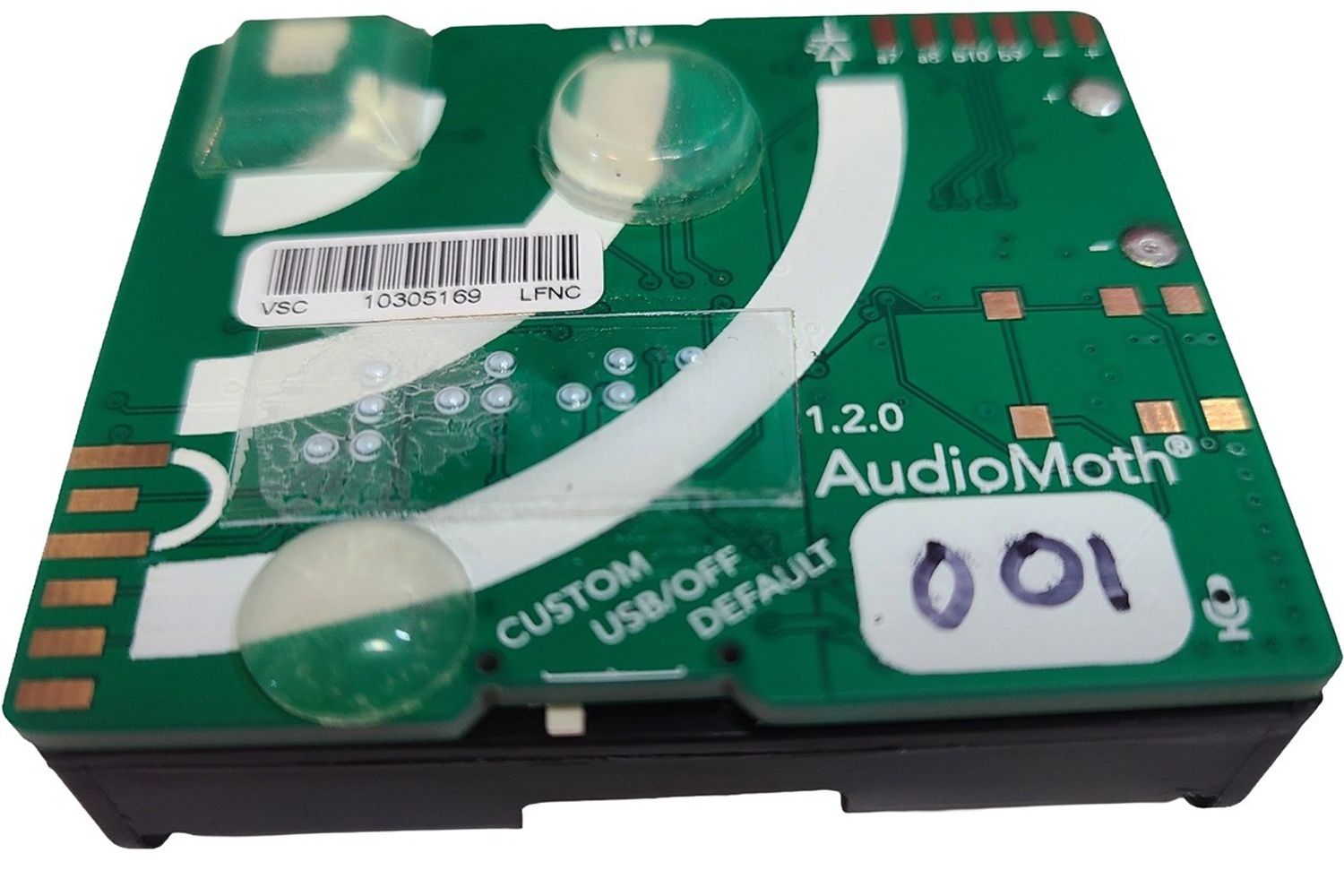
The NASA Science Activation project Eclipse Soundscapes (ES), led by ARISA Lab in Medford, Massachusetts, helps learners of all ages explore NASA science through multisensory learning and participatory science opportunities. In the weeks surrounding the 2023 annular solar eclipse and the 2024 total solar eclipse, Eclipse Soundscapes invited volunteer Data Collectors to use AudioMoth acoustic recording devices to document how wildlife responded to the changing light. A total of 989 AudioMoths were registered to the project across the two years, contributing to a substantial participatory science effort focused on eclipse-related soundscape data collection. The Data Collector role was one of several ways the general public participated as volunteer scientists through Eclipse Soundscapes.
After submitting their eclipse audio recordings, many Data Collectors chose to donate their AudioMoths so that these devices could continue contributing to scientific and educational work. One recipient of these devices was DarkSky Missouri, an organization focused on nighttime conservation. Eclipse Soundscapes first introduced DarkSky Missouri to its community in Summer 2024 through a blog post and webinar. Now, ES and DarkSky Missouri share how some donated devices are being used today in a co-written November 2025 blog. Through this collaboration, 19 donated AudioMoths are supporting projects across Missouri that monitor nighttime wildlife activity, study migration patterns, document insect soundscapes, and promote lights-out conservation practices that protect ecosystems. This work shows how participatory science can extend far beyond a single astronomical event, with volunteer contributions powering long-term environmental learning and research.
The impact of these 19 AudioMoths reaches far beyond the number of devices. In higher education, teams of college students maintain the recorders and analyze nighttime data. In K to 12 schools, teachers integrate the recorders into multidisciplinary lessons. Public installations at the Gateway Arch and the St. Louis Zoo engage thousands of visitors with the science of sound and nighttime ecology. Through these shared uses, each AudioMoth becomes a resource for many, not just the volunteer who originally deployed it.
The Eclipse Soundscapes project is wrapping up in 2026. As the project completes its work, the team is continuing to share ways for the Eclipse Soundscapes community to continue their scientific exploration through other projects and activities, primarily through ongoing outreach on social media. The project is also working to make all verified 2023 and 2024 audio recordings publicly available by the end of the award through its Eclipse Soundscapes community on Zenodo.
Learn more about the DarkSky Missouri collaboration in the November 2025 blog: https://eclipsesoundscapes.org/your-donated-audiomoths-are-powering-new-science/. Sign up for updates at https://eclipsesoundscapes.org/getinvolved/ to be notified when all 2023 and 2024 audio recordings are available on Zenodo.
Eclipse Soundscapes is supported by NASA under cooperative agreement award number 80NSSC21M0008 and is part of NASA’s Science Activation Portfolio. Learn more about how Science Activation connects NASA science experts, real content, and experiences with community leaders to do science in ways that activate minds and promote deeper understanding of our world and beyond: https://science.nasa.gov/learn/about-science-activation/.
Details
Explore More

Helio Highlight: Comets, the Sun, and You
This article shows educators how comets help us learn about the Sun and Space Weather.…
Article
3 days ago

Discover More Topics From NASA
James Webb Space Telescope
Webb is the premier observatory of the next decade, serving thousands of astronomers worldwide. It studies every phase in the…

Perseverance Rover
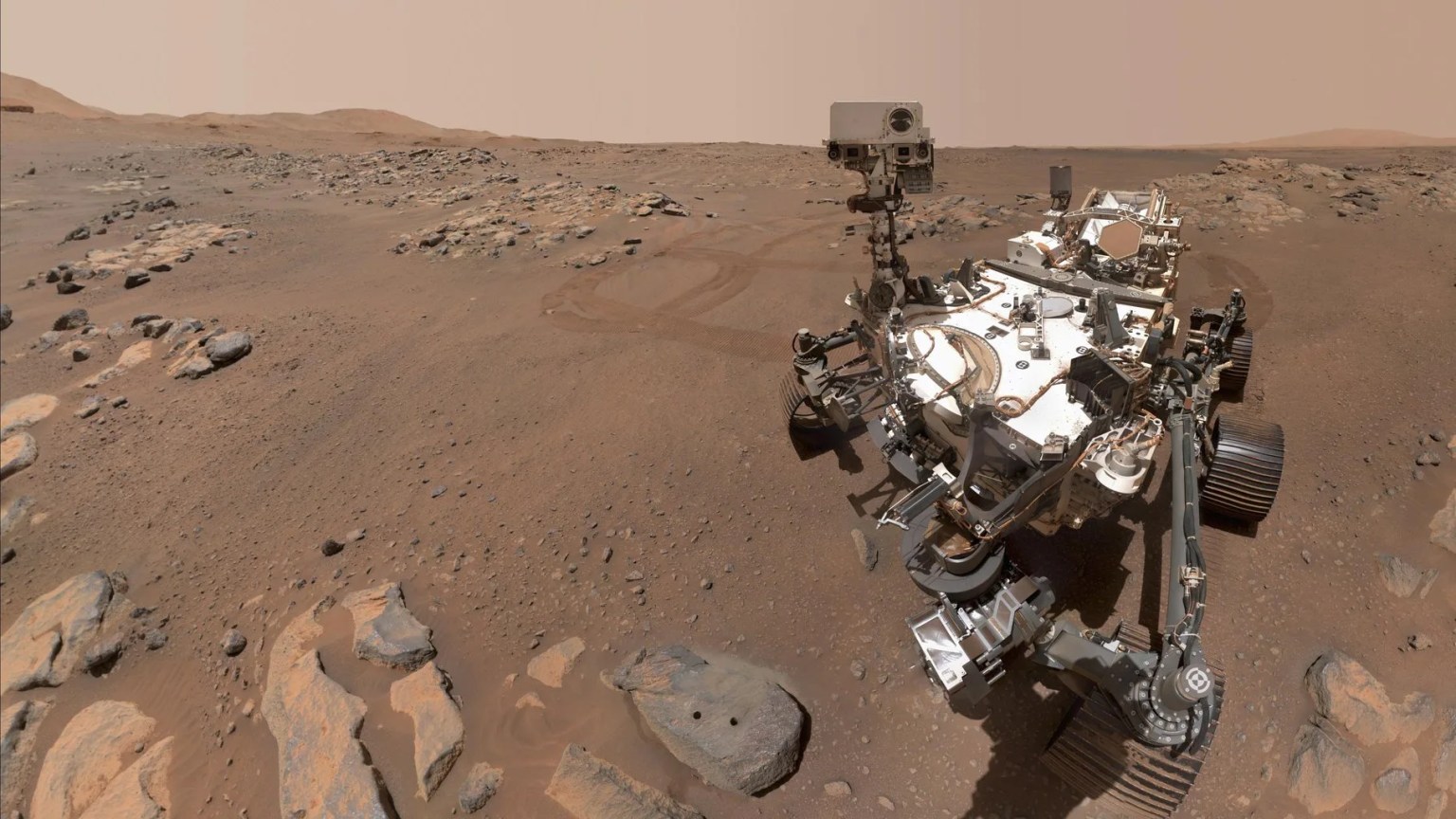
This rover and its aerial sidekick were assigned to study the geology of Mars and seek signs of ancient microbial…
Parker Solar Probe
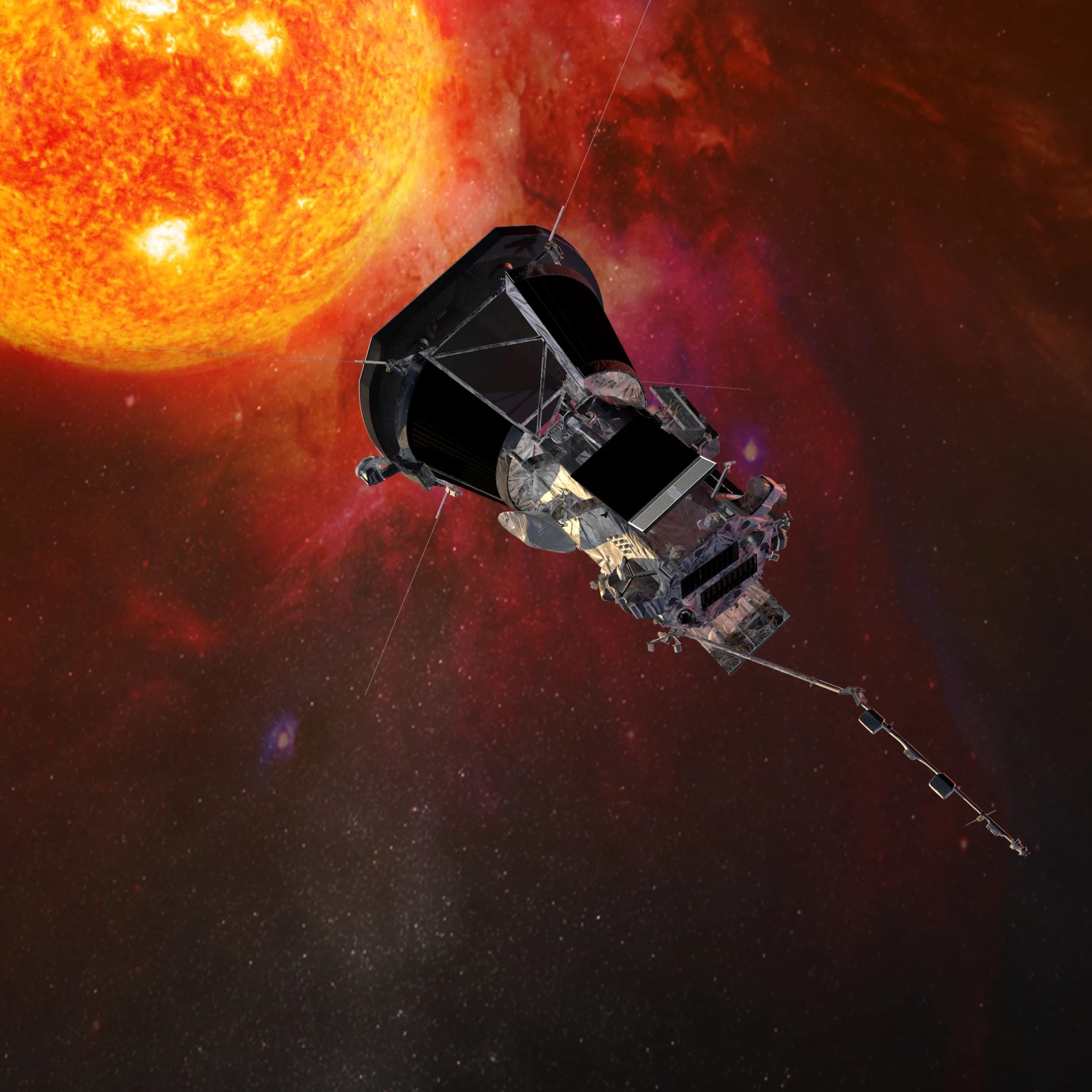
On a mission to “touch the Sun,” NASA’s Parker Solar Probe became the first spacecraft to fly through the corona…
Juno
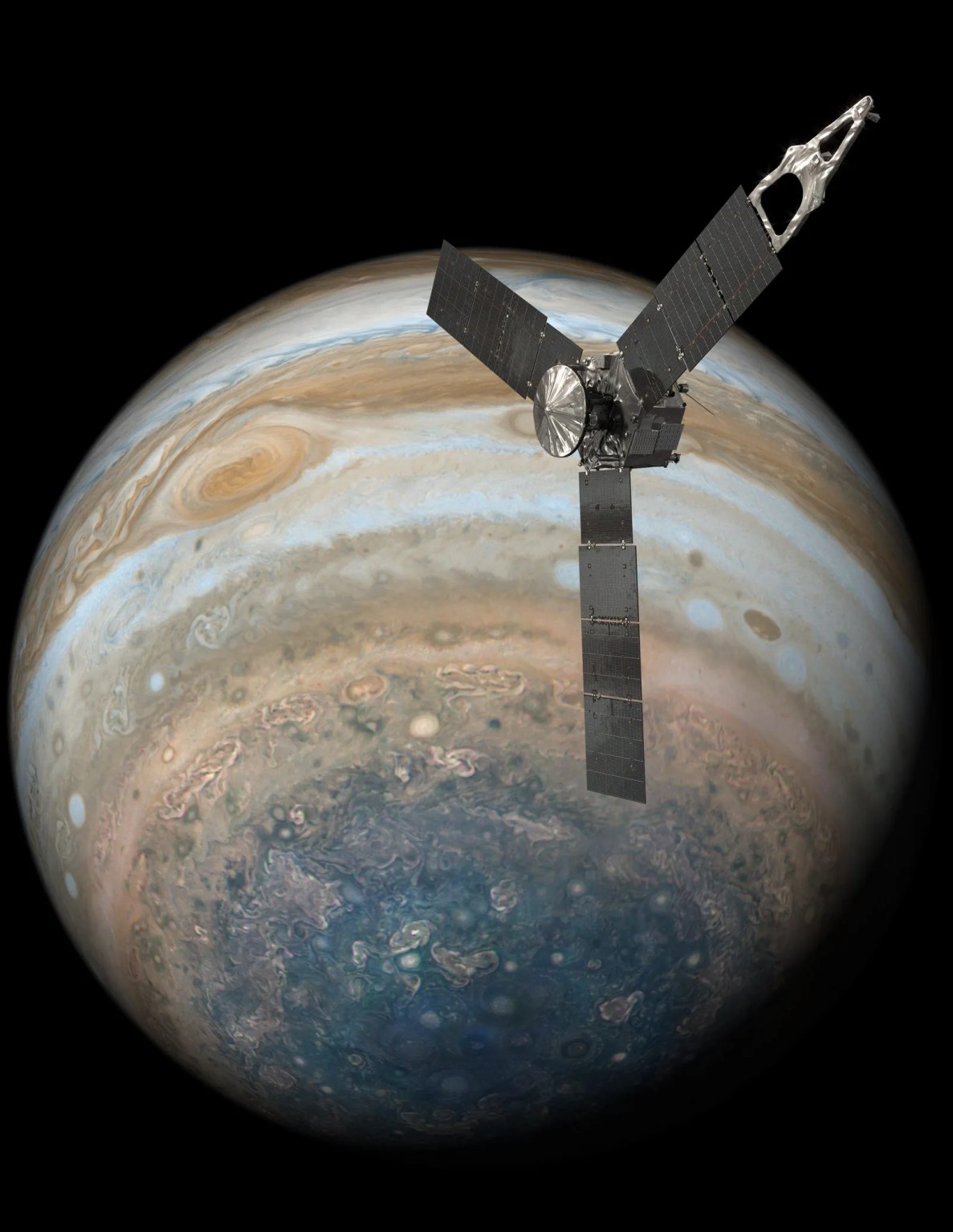
NASA’s Juno spacecraft entered orbit around Jupiter in 2016, the first explorer to peer below the planet’s dense clouds to…
from NASA https://ift.tt/XxQl80w


No comments:
Post a Comment