Tuesday, 25 November 2025

New NASA HEAT and My NASA Data Resources Bring Space Weather Science into Classrooms

3 min read

New NASA HEAT and My NASA Data Resources Bring Space Weather Science into Classrooms
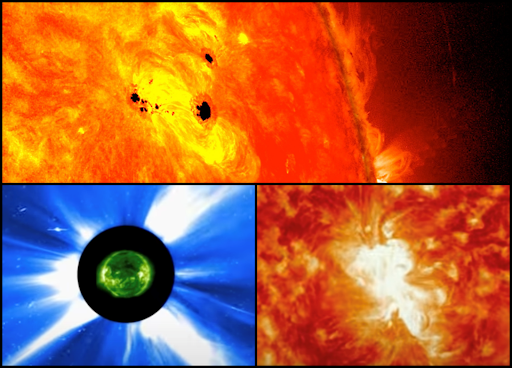
Three views of the Sun shown through the eyes of different space missions. The top image shows dark sunspots on the Sun, the bottom left shows the Sun's corona flaring out into space, and the bottom right shows the Sun's burning plasma surface.
Space weather is an important part of the Sun’s interaction with the space around it. Scientists called heliophysicists study these phenomena to help us better understand how and why it happens, and the effects it can have on the rest of our solar system.

As the Sun enters a period of heightened activity, students now have a new way to explore its powerful effects on Earth and space. NASA’s Heliophysics Education Activation Team (NASA HEAT), in collaboration with My NASA Data, has released a new set of classroom resources that invite students and educators to engage with real NASA mission data to study space weather phenomena in real time.

Hands-On Learning with Real NASA Data

Developed as part of NASA HEAT’s mission to increase awareness and understanding of heliophysics, these new materials help learners connect directly with the science of the Sun and its influence on the solar system. The resources include:

  • Lesson plans and mini-lessons for quick classroom engagement
  • Interactive web-based tools that let students visualize and analyze real mission data
  • StoryMaps, longer-form digital experiences that guide multi-day investigations into space weather events

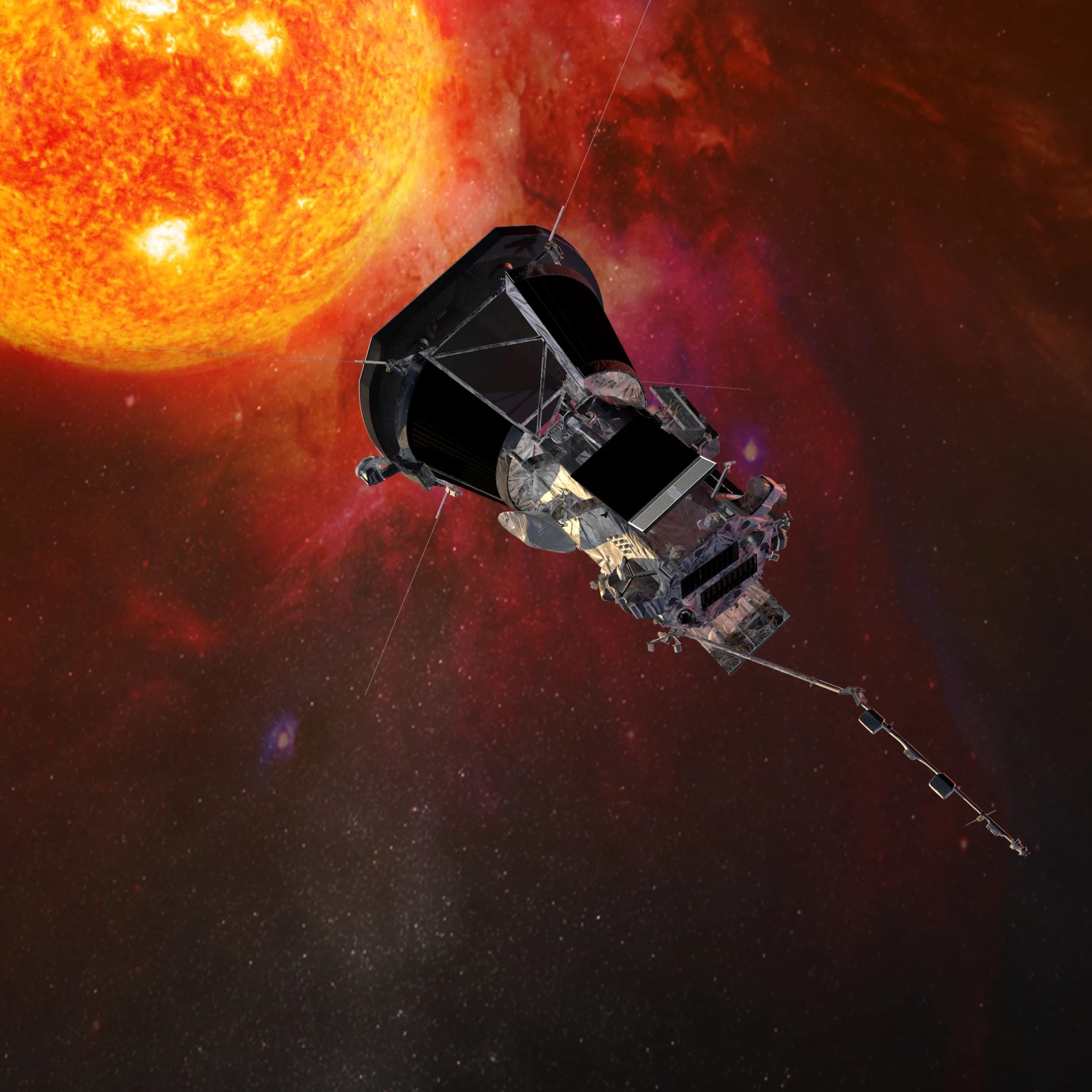
These activities draw from data collected by NASA’s Parker Solar Probe, the Solar Dynamics Observatory (SDO), and the European Space Agency’s Solar Orbiter, among others, giving students a chance to explore how scientists monitor and study the Sun’s behavior.

Understanding Space Weather

Space weather is driven by the Sun’s activity – its bursts of energy, radiation, and plasma that stream through space. When these events interact with Earth’s magnetic field, they can produce stunning auroras but also cause radio disruptions, satellite interference, and power grid issues.

By engaging with these new resources, students can learn how NASA monitors and predicts these solar phenomena and why studying space weather is essential for keeping astronauts, spacecraft, and technology safe.

Learning During Solar Maximum

This launch comes at a perfect time. In late 2024, the Sun entered solar maximum, the most active part of its 11-year cycle, providing students a front-row seat to increased solar flares, sunspots, and coronal mass ejections. The new NASA HEAT and My NASA Data resources encourage educators to use this unique moment to deepen classroom discussions on magnetism, energy, and the Sun–Earth connection through observation and data-driven exploration.

Inspiring Future Scientists

Both NASA HEAT and My NASA Data, part of GLOBE Mission Earth (Global Learning and Observations to Benefit the Environment), are part of the NASA Science Activation (SciAct) program, which connects learners of all ages with authentic NASA science content, experts, and experiences. By bringing real-world data and current scientific phenomena into the classroom, these new tools empower students to think like scientists and see themselves as contributors to ongoing discovery.

Explore the New Resources

Share

Details

Last Updated
Nov 24, 2025
Editor
NASA Science Editorial Team


from NASA https://ift.tt/Uq2guNe
NASA Citizen Science Toolkit for Librarians

2 min read

NASA Citizen Science Toolkit for Librarians

Librarians: NASA Citizen Science has something for you!

Our new Toolkit for Librarians can help you share NASA citizen science opportunities with your patrons and community members. Rural and urban libraries, informal educators, youth group leaders, and retirement community coordinators can all benefit from this resource. Together, we can open the door for more people to join the fun, learning, and thrill of doing NASA science.  

The toolkit prepares a program leader to lead a NASA Science event for people ages 8 and up. The toolkit includes: 

  • A guide to help you prepare for the event, from choosing and equipping the space, to becoming familiar with the citizen science project that will be the focus of the event
  • An editable 8.5” by 11” poster to advertise your event
  • A model agenda to follow during your event
  • A handout for you and your participants to help you explore NASA-sponsored citizen science project opportunities 

The toolkit creators, Sarah Kirn (Participatory Science Strategist, NASA, from the Gulf of Maine Research Institute) and Kara Reiman (librarian), together with NASA’s Citizen Science Officer Marc Kuchner, also recorded a video walk-through of this Toolkit. 

“I appreciate this so much!” said one participant. “I have started Citizen Science Kits for circulation over this past year and am excited to share new opportunities with our patrons!”

“Living in a very rural and primarily native community, the kids here are limited with their nearby opportunities, so sharing this with them is a huge win…” said another.

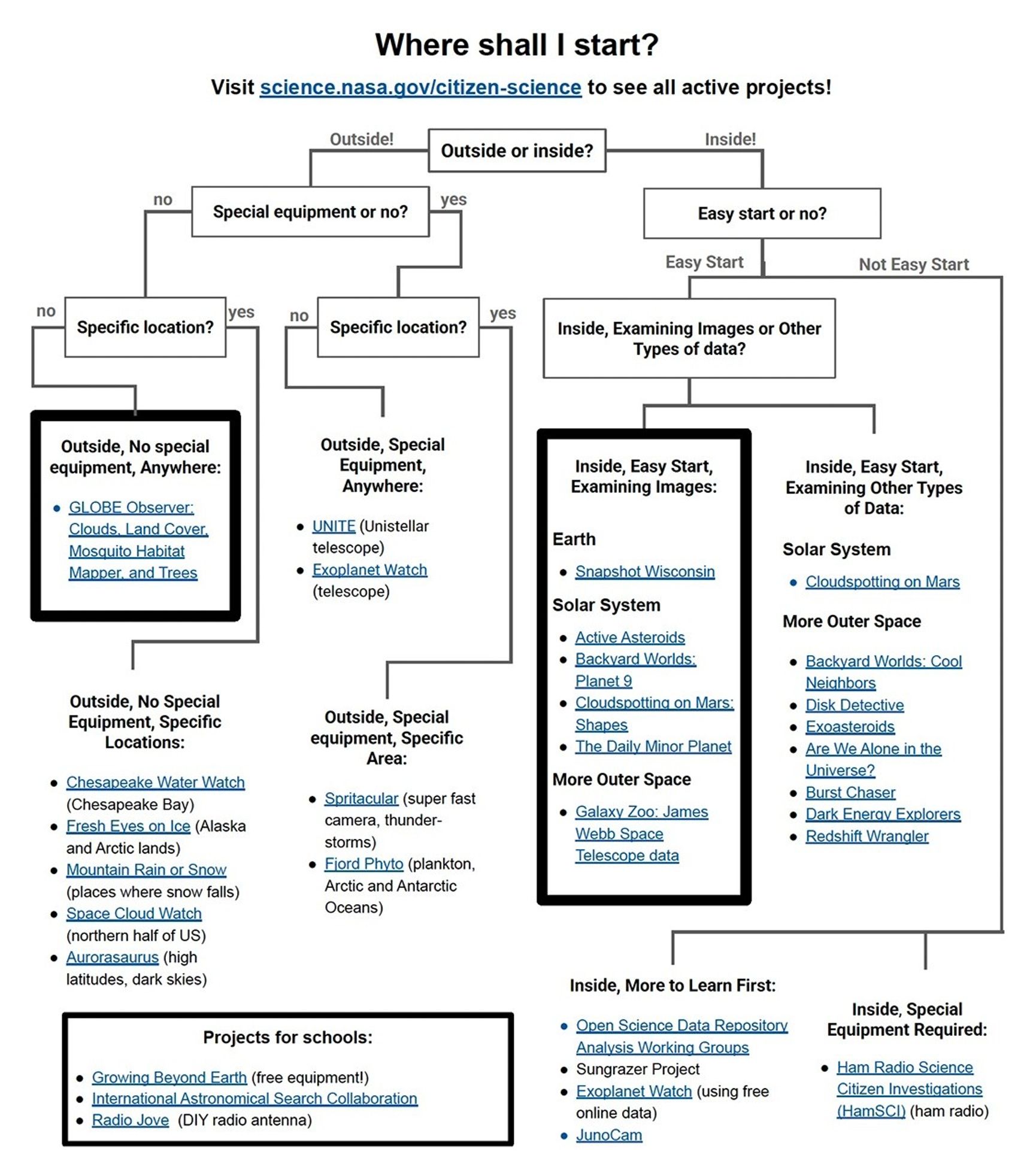
Flowchart sequencing which citizen science projects could be interesting for you.
Which NASA citizen project is best for you? You’ll find all these projects at science.nasa.gov/citizen-science, and you’ll find more resources like this in our Toolkit for Librarians!
Sarah Kirn, GMRI + Marc Kuchner, NASA

Share

Details

Last Updated
Nov 24, 2025

Related Terms


from NASA https://ift.tt/pAhVKda

Monday, 24 November 2025

City Lights and Atmospheric Glow

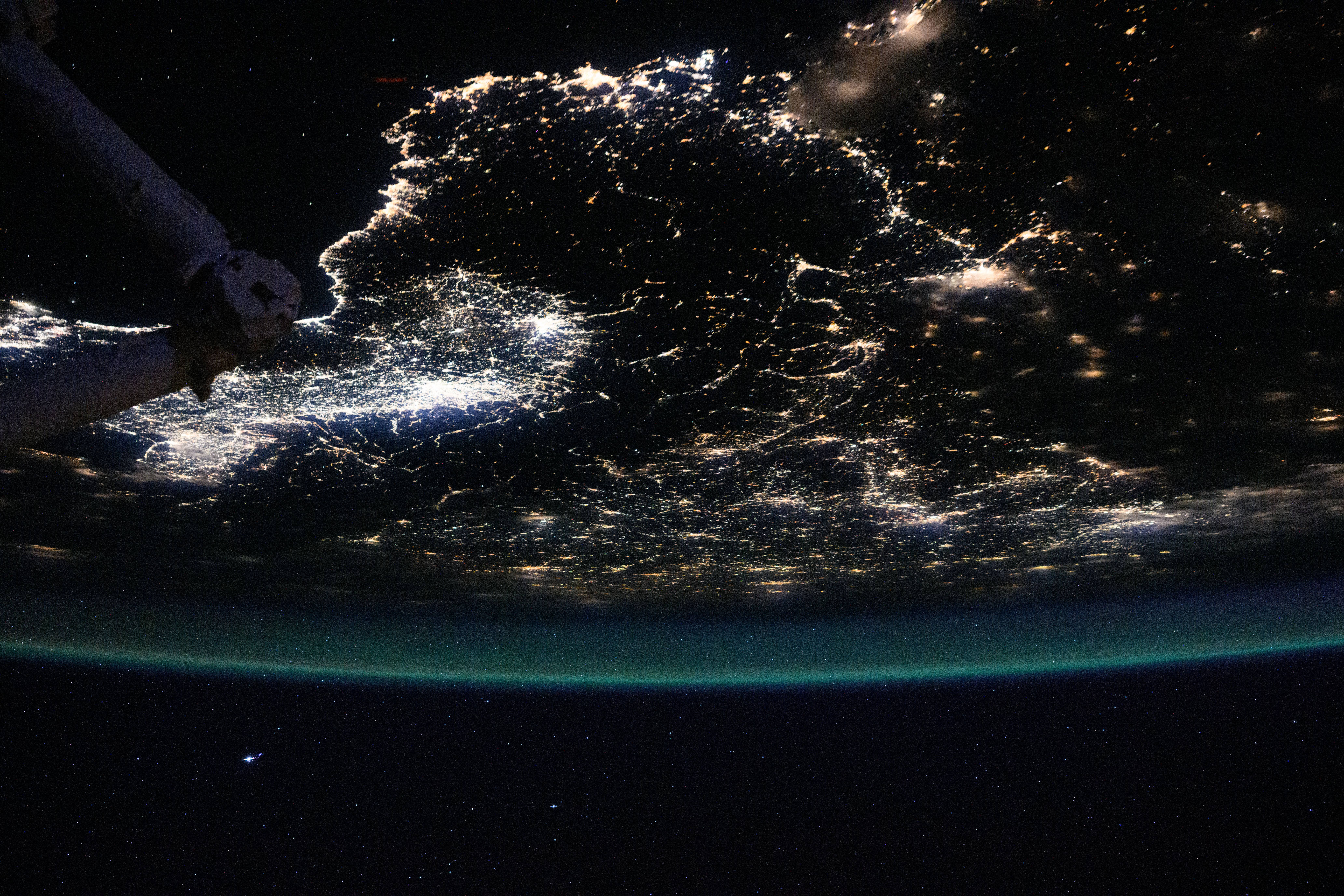
Earth is a dark sphere with a glowing green border in this photo. We can only see one portion of it; in this photo’s orientation, we’re looking at the “bottom” of Earth’s sphere. City lights shine brightly at middle left; they are more dispersed throughout the rest of Earth that’s visible. Part of the space station is just barely visible at top left.
JAXA/Kimiya Yui

JAXA (Japan Aerospace Exploration Agency) astronaut Kimiya Yui captured this photo of southern Europe and the northwestern Mediterranean coast from the International Space Station as it orbited 261 miles above Earth on Aug. 30, 2025. At left, the Po Valley urban corridor in Italy shines with the metropolitan areas of Milan and Turin and their surrounding suburbs.

Crew members aboard the orbital lab have produced hundreds of thousands of images of the land, oceans, and atmosphere of Earth, and even of the Moon through Crew Earth Observations. Their photographs of Earth record how the planet changes over time due to human activity and natural events. This allows scientists to monitor disasters and direct response on the ground and study a number of phenomena, from the movement of glaciers to urban wildlife.

Image credit: JAXA/Kimiya Yui


from NASA https://ift.tt/sNDOiPL

The Overview Effect: Astronaut Perspectives from 25 Years in Low Earth Orbit

To see Earth from space is to be forever changed by the view. Since Alan Shepard became the first American to lay eyes on our home planet from above, countless NASA astronauts have described feeling awed by the astonishing sight and a profound shift in perspective that followed.

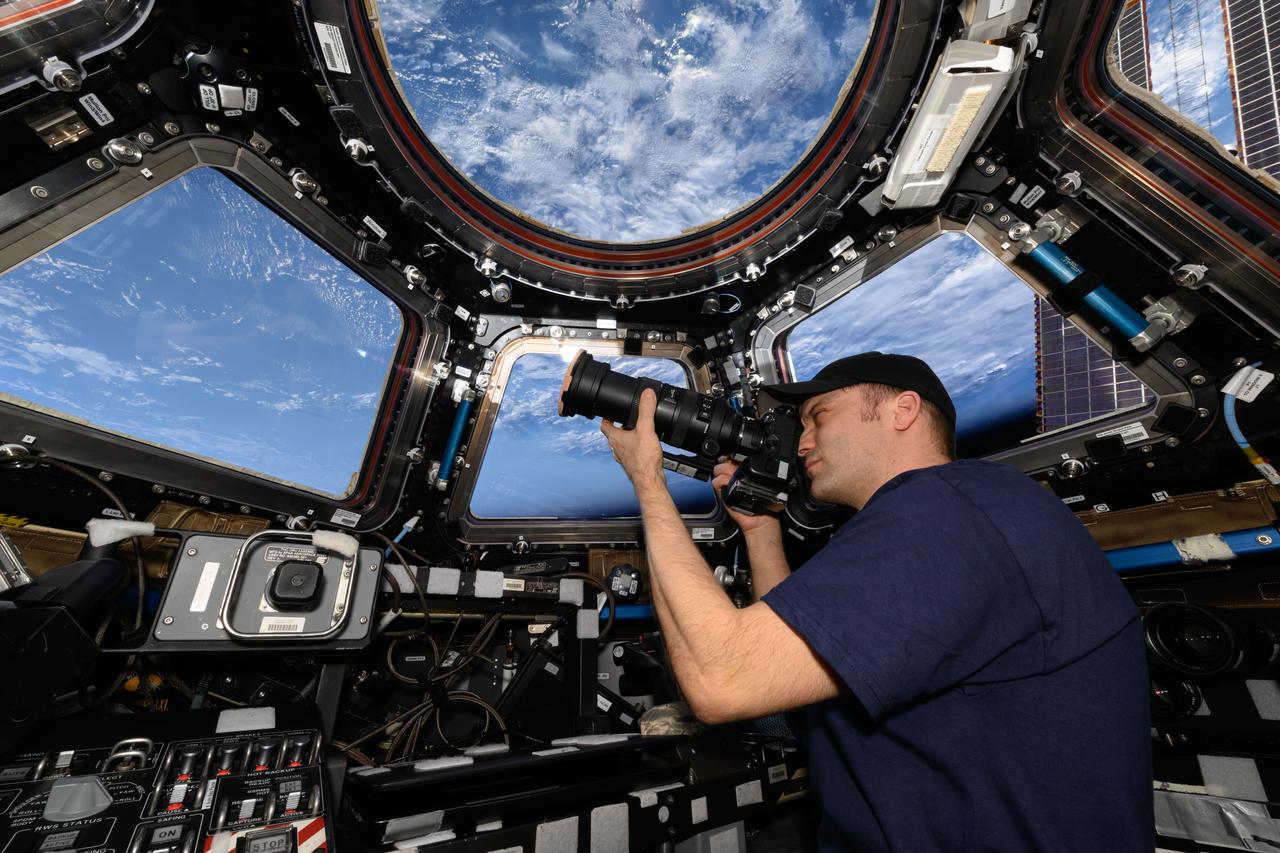
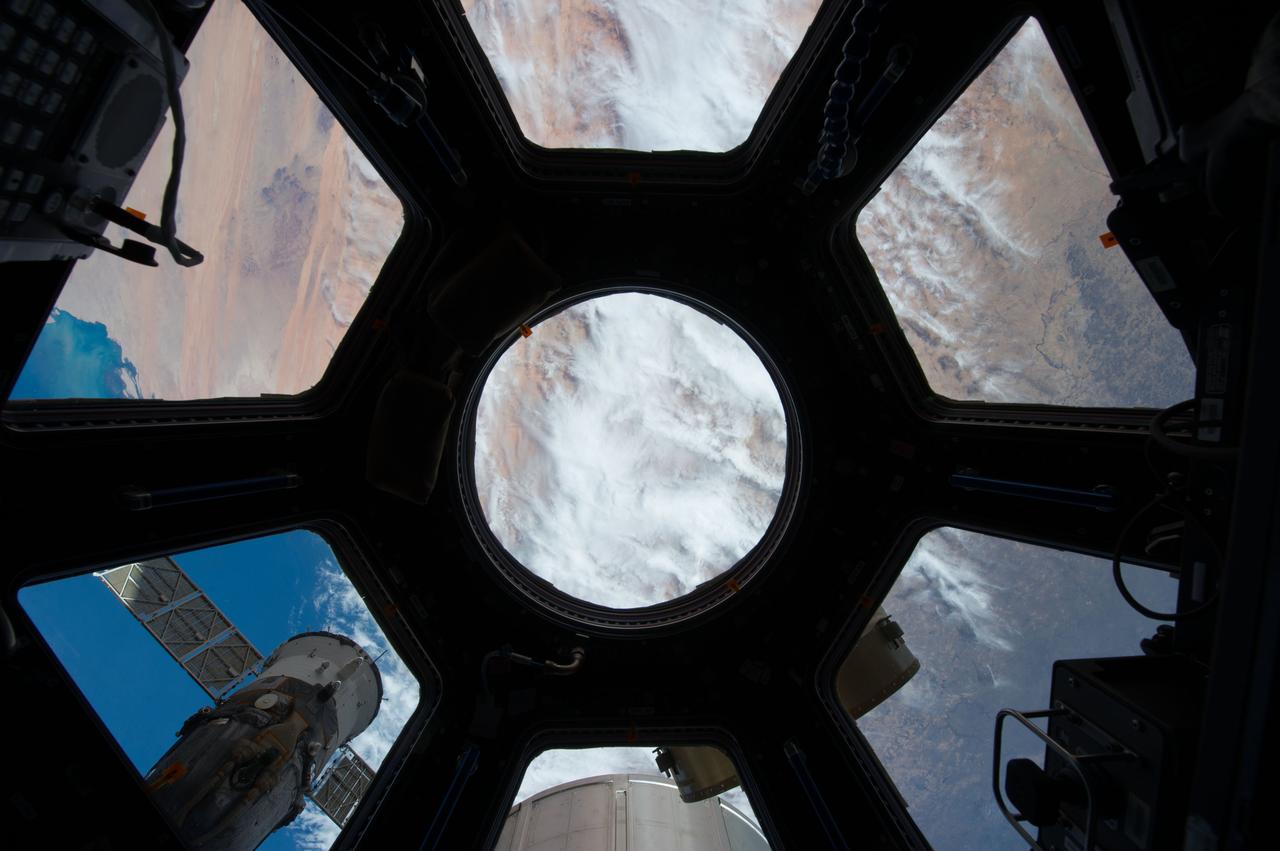
NASA astronaut Matthew Dominick points his camera through a cupola window as the International Space Station orbits 262 miles above the Atlantic Ocean off the coast of Africa.
NASA

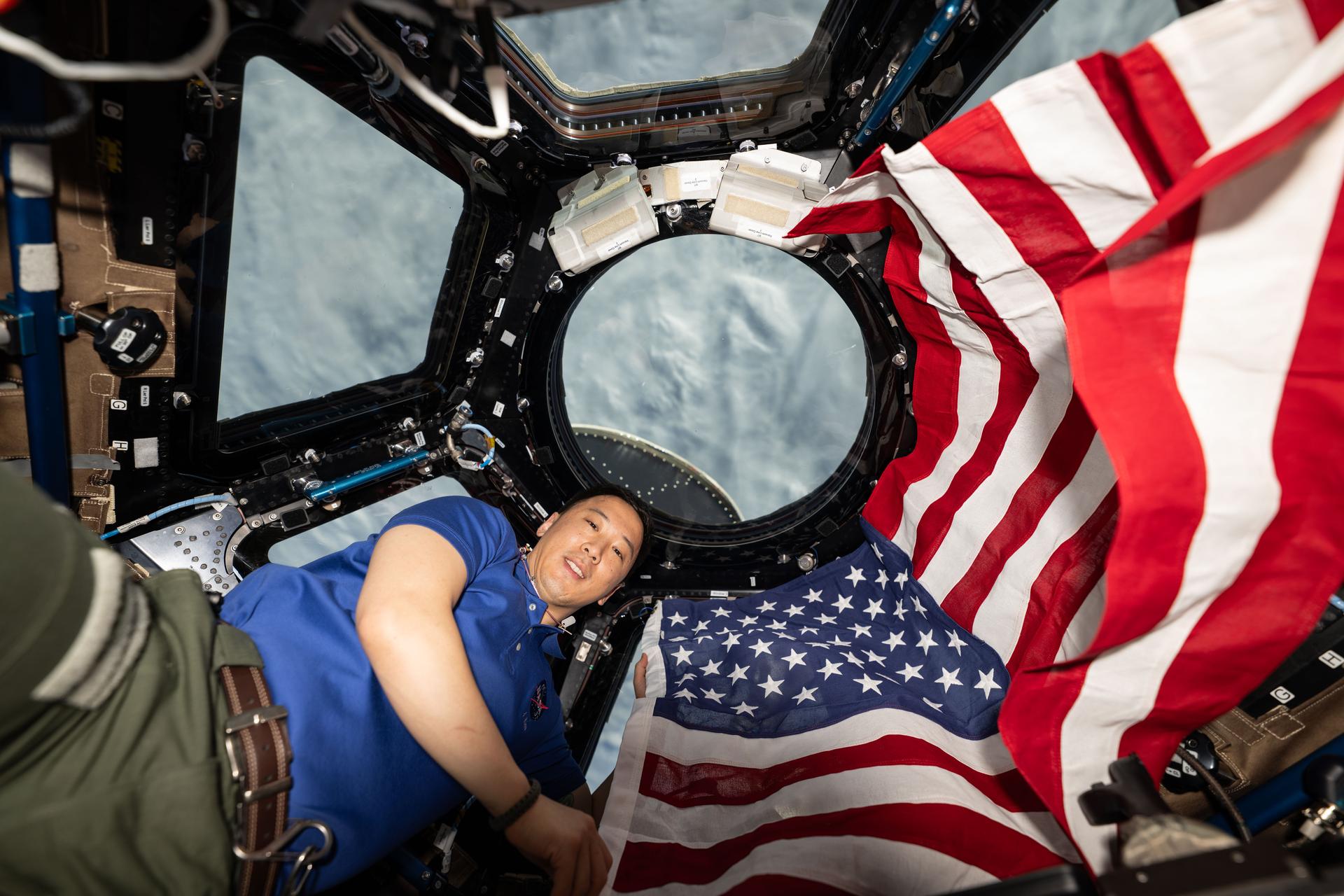
This unique experience is known as the overview effect – a term coined in 1987 by space philosopher and author Frank White in a book of the same name. The phenomenon creates powerful changes in the way astronauts think about Earth and life and can be particularly strong for those who lived and worked aboard the International Space Station during its 25 years of continuous human presence. The orbiting laboratory’s cupola module, equipped with seven windows looking down on Earth, provides the perfect place for observation and reflection.

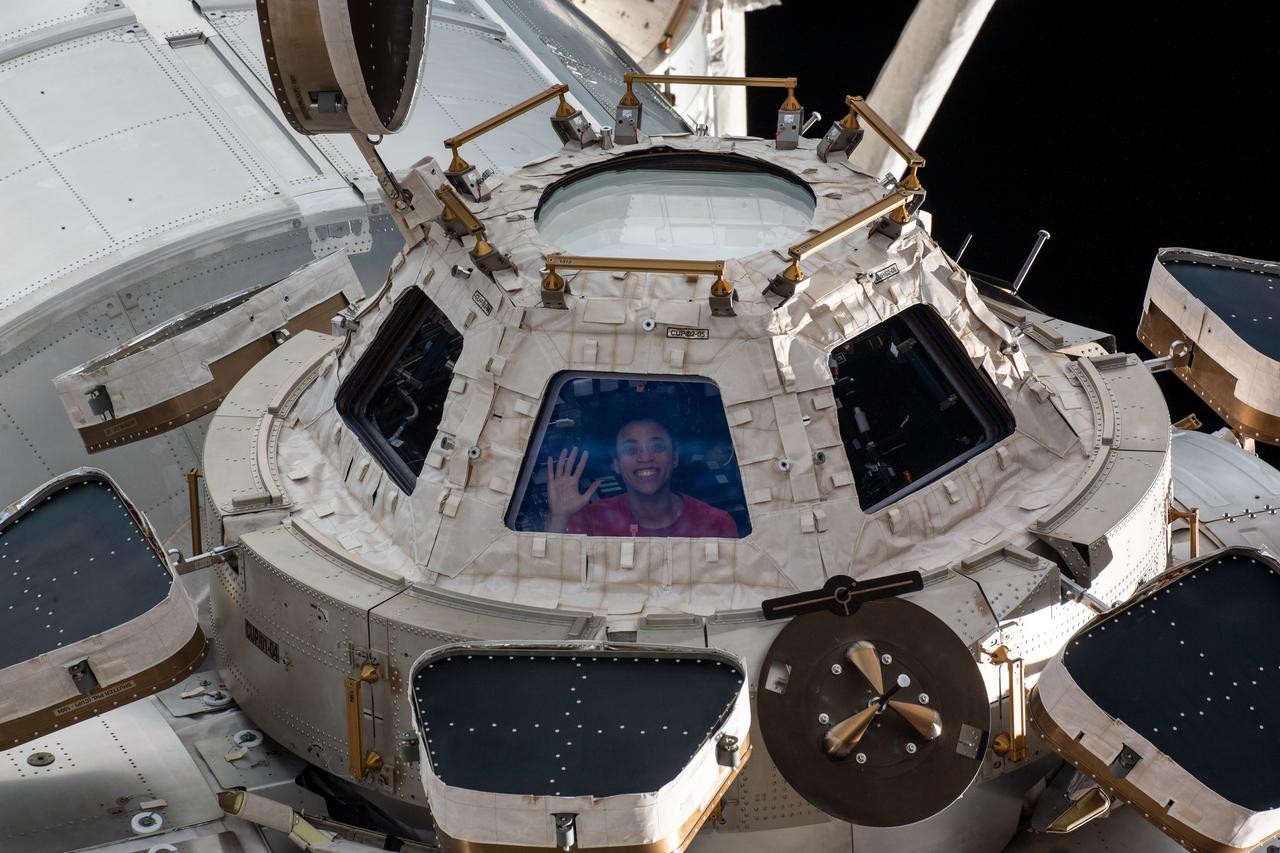
NASA astronaut Jessica Watkins is pictured looking out from the International Space Station's cupola window.
NASA astronaut Jessica Watkins is pictured looking out from the International Space Station’s “window to the world” – the cupola. Astronauts use the seven-windowed observation module to monitor the arrival of spacecrafts at the orbiting laboratory and view the Earth below.
NASA

As Artemis II Mission Specialist Christina Koch explained:

    “The overview effect is when you’re looking through the cupola and you see the Earth as it exists with the whole universe in the background. You see the thin blue line of the atmosphere, and then when you’re on the dark side of the Earth, you actually see this very thin green line that shows you where the atmosphere is. What you realize is every single person that you know is sustained and inside of that green line and everything else outside of it is completely inhospitable. You don’t see borders, you don’t see religious lines, you don’t see political boundaries. All you see is Earth and you see that we are way more alike than we are different.”

Koch’s Artemis II crewmate, NASA astronaut Victor Glover, said the overview effect’s potency is closely tied to the “sea level effect” – humanity’s shared experience on Earth. “You come back to sea level, and then you have a choice,” he explained. “Are you going to try to live your life a little differently? Are you going to really choose to be a member of this community of Earth?”

NASA astronaut Don Pettit, Expedition 30 flight engineer, is pictured in a window of the cupola of the International Space Station, backdropped by Earth’s horizon and the blackness of space.
NASA

Many astronauts emphasize the importance of unity after experiencing the overview effect. “You see that it’s a single planet with a shared atmosphere. It’s our shared place in this universe,” said former NASA astronaut Bob Behnken. “I think that perspective, as we go through things like the pandemic or we see the challenges across our nation or across the world, we recognize that we all face them together.”

Seeing the Earth from space can also change their concept of home. Former NASA astronaut Nicole Stott recalls wanting to see her home state of Florida during her first mission to the International Space Station. “Finally, we were flying over Florida. I wanted to go to the window and see it, and then realized somewhere down the line that I wasn’t looking at Florida that same way anymore,” she said. “I still wanted to see Florida, but Florida had just become this special part of home, which is Earth. We’re all earthlings.”

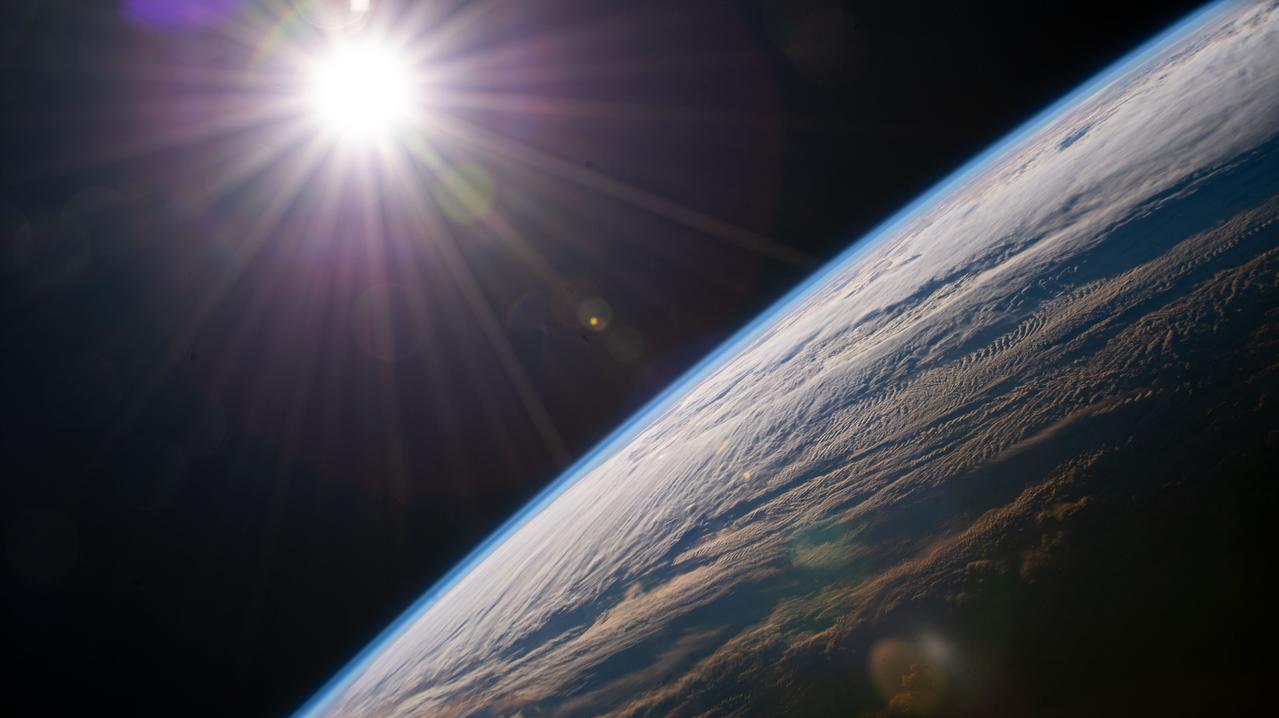
The sun shines above Earth's horizon as the space station orbits 264 miles above the Canadian province of Quebec.
The sun shines above Earth’s horizon as the space station orbits 264 miles above the Canadian province of Quebec.
NASA

For some astronauts, their perspective shift inspired them to make changes on the ground. “I think if you’re not a conservationist before you go to space, you’re at least partly a conservationist when you come back. Because when you see how thin that atmosphere is, that protective layer that we have here, you think, wow, we really have to take care of this because it does look so fragile from space,” said retired NASA astronaut Mike Foreman.

Others hope to share the overview effect with more people. “That perspective helps you grow. It has really inspired me to try to get more people this experience and to get a permanent foothold in the stars for our species,” said former NASA astronaut Jack Fischer. “I want to do everything I possibly can to help the human species, humanity as a whole, go further and grow and evolve like I know they’re capable of.”

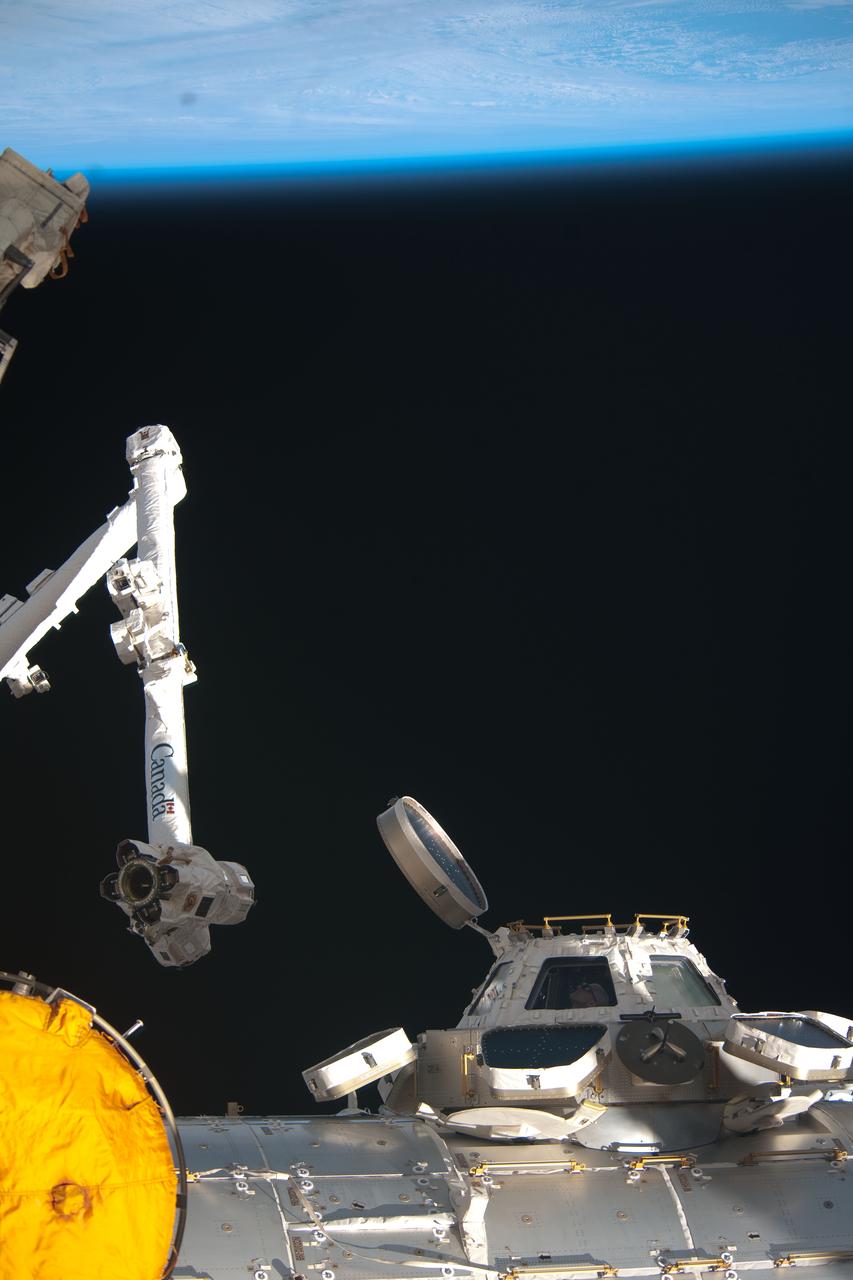
An Earth observation taken through cupola windows by the Expedition 39 crew. Portions of the International Space Station are in view.
NASA

Future crews to the orbiting laboratory can look forward to a similar experience. “In that instant, when you’re overwhelmed with that vista, when your eyes see nothing but the beauty of the Earth – every single crew member that I brought in [the cupola] for that exposure, cried,” said retired NASA astronaut T.J. Creamer. “It is heart stopping. It is soul pounding. It is breathtaking.”

For more astronaut perspectives from the International Space Station, watch “Down to Earth” on NASA+.


from NASA https://ift.tt/GWRYZ8l

Saturday, 22 November 2025

NASA Awards Liquid Hydrogen Supply Contracts

The letters NASA on a blue circle with red and white detail, all surrounded by a black background
Credit: NASA

NASA has selected Plug Power, Inc., of Slingerlands, New York, and Air Products and Chemicals, Inc., of Allentown, Pennsylvania, to supply up to approximately 36,952,000 pounds of liquid hydrogen for use at facilities across the agency.

The NASA Agency-wide Supply of Liquid Hydrogen awards are firm-fixed-price requirements contracts that include multiple firm-fixed-price delivery orders critical for the agency’s centers as they use liquid hydrogen, combined with liquid oxygen, as fuel in cryogenic rocket engines, and the commodity’s unique properties support the development of aeronautics. The total value for the combined awards is about $147.2 million.

The contracts begin Monday, Dec. 1, and each consists of a two-year base period followed by three one-year option periods that, if exercised, would extend the contracts to Nov. 30, 2030.

Air Products and Chemicals Inc. will supply up to about 36.5 million pounds of liquid hydrogen to NASA’s Kennedy Space Center and Cape Canaveral Space Force Station in Florida; NASA’s Marshall Space Flight Center in Huntsville, Alabama; and NASA’s Stennis Space Center in Bay St. Louis, Mississippi, for a maximum contract value of approximately $144.4 million.

Plug Power, Inc. will deliver up to approximately 480,000 pounds of the commodity to NASA’s Glenn Research Center in Cleveland, Ohio, and at Neil A. Armstrong Test Facility in Sandusky, Ohio, for a maximum contract value of about $2.8 million.

For additional information about NASA and agency programs, visit:

https://www.nasa.gov/

-end-

Tiernan Doyle
Headquarters, Washington
tiernan.doyle@nasa.gov
202-358-1600

Amanda Griffin
Kennedy Space Center, Fla.
amanda.griffin@nasa.gov
321-593-6244


from NASA https://ift.tt/TIhe7wB

10 Years of Students Helping NASA Grow Space Food with Growing Beyond Earth

3 min read

10 Years of Students Helping NASA Grow Space Food with Growing Beyond Earth

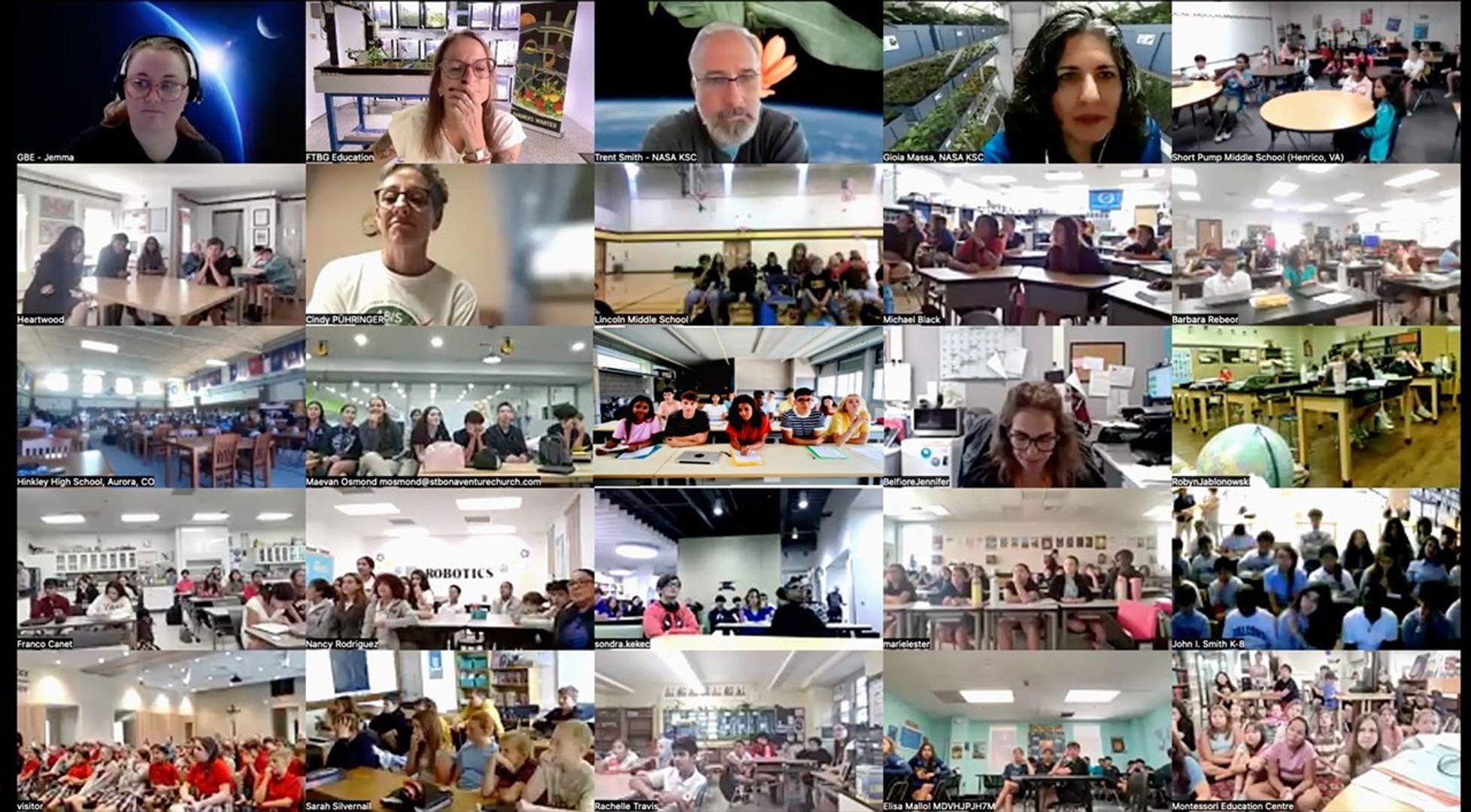
Student from 71 Classrooms engaged with NASA scientists to learn about how their Growing Beyond Earth research is contributing to feeding astronauts for long distance space travel.
Students from 71 Classrooms engaged with NASA scientists to learn about how their Growing Beyond Earth research is contributing to feeding astronauts for long distance space travel.

Nearly 1,250 middle and high school students from 71 schools around the world joined Fairchild Tropical Botanic Garden for the Growing Beyond Earth (GBE) Student Launch Chat with the Scientists, marking an inspiring milestone in the program’s 10th anniversary year.

The live session, held in collaboration with NASA, connected classrooms directly with Dr. Gioia Massa and Trent M. Smith, senior leaders of NASA Kennedy Space Center’s Space Crop Production team. Students heard firsthand how their classroom experiments are helping NASA identify and grow the best crops for future astronauts on long-duration missions to the Moon and Mars.

“Our students are contributing to real NASA science,” said one participating teacher. “It’s incredibly motivating for them to know their data could influence what astronauts eat in space someday.”

Connecting Classrooms with NASA Science

Growing Beyond Earth, led by Fairchild Tropical Botanic Garden in Miami, Florida, brings authentic NASA research into classrooms in a way that few science programs can. For more than a decade, the 83-acre botanic garden – renowned for its conservation, education, and research programs – has worked hand-in-hand with NASA to advance understanding of food production in space.

Students use specially designed plant growth chambers to test how different crops perform under conditions that mimic spacecraft environments. The data they collect are shared with NASA scientists, who use the findings to refine ongoing space crop production research.

Since the program’s inception, more than 120,000 students across 800+ classrooms have tested over 250 plant cultivars, with five student-tested crops already grown aboard the International Space Station.

Cultivating the Future STEM (Science, Technology, Engineering, & Mathematics) Workforce

The Growing Beyond Earth project exemplifies the mission of NASA’s Science Activation (SciAct) program, which connects NASA Science with people of all ages and backgrounds in ways that activate minds and promote a deeper understanding of our world and beyond, with the ultimate Vision: To increase learners’ active participation in the advancement of human knowledge. By engaging students as active participants in cutting-edge research, projects like GBE not only advance NASA’s goals but also cultivate curiosity, creativity, and confidence in the next generation of scientists and explorers. This year’s GBE Student Launch Chat celebrated that impact, showing how student research from classrooms around the globe contributes to the future of space exploration.

“When students see themselves as part of NASA’s mission, they realize science isn’t something distant, it’s something they can do,” said Dr. Massa. Teacher Espy Rodriguez from Hialeah Senior High School said, “It made their [her students] projects matter. I think it gave the kids a real sense of community. We are far, but we are one.” By growing plants, analyzing data, and sharing results with NASA, these students are helping humanity prepare for life beyond Earth, proving that the seeds of tomorrow’s discoveries are being planted in today’s classrooms.

GBE is supported by NASA under cooperative agreement award number 80NCCS2M0125 and is part of NASA’s Science Activation Portfolio. Learn more about how Science Activation connects NASA science experts, real content, and experiences with community leaders to do science in ways that activate minds and promote deeper understanding of our world and beyond: https://science.nasa.gov/learn/about-science-activation/.

www.fairchildgarden.org/gbe


from NASA https://ift.tt/WVoa9v7

Friday, 21 November 2025

What’s Up: November 2025 Skywatching Tips from NASA

Mars and Mercury cozy up, the Leonids sparkle, and Saturn’s rings are…disappearing? 

Mars and Mercury get close for a conjunction, the Leonid meteor shower delights, and Saturn’s rings are…disappearing?

Skywatching Highlights

  • Nov. 12: A conjunction between Mars and Mercury
  • Nov. 16-18: Leonid meteor shower peak viewing
  • Nov. 23: Saturn’s rings disappear

Transcript

Mars and Mercury have a cozy conjunction, the Leonid meteor shower delights, and Saturn’s rings are…disappearing?

That’s What’s Up for November.

Conjunction:

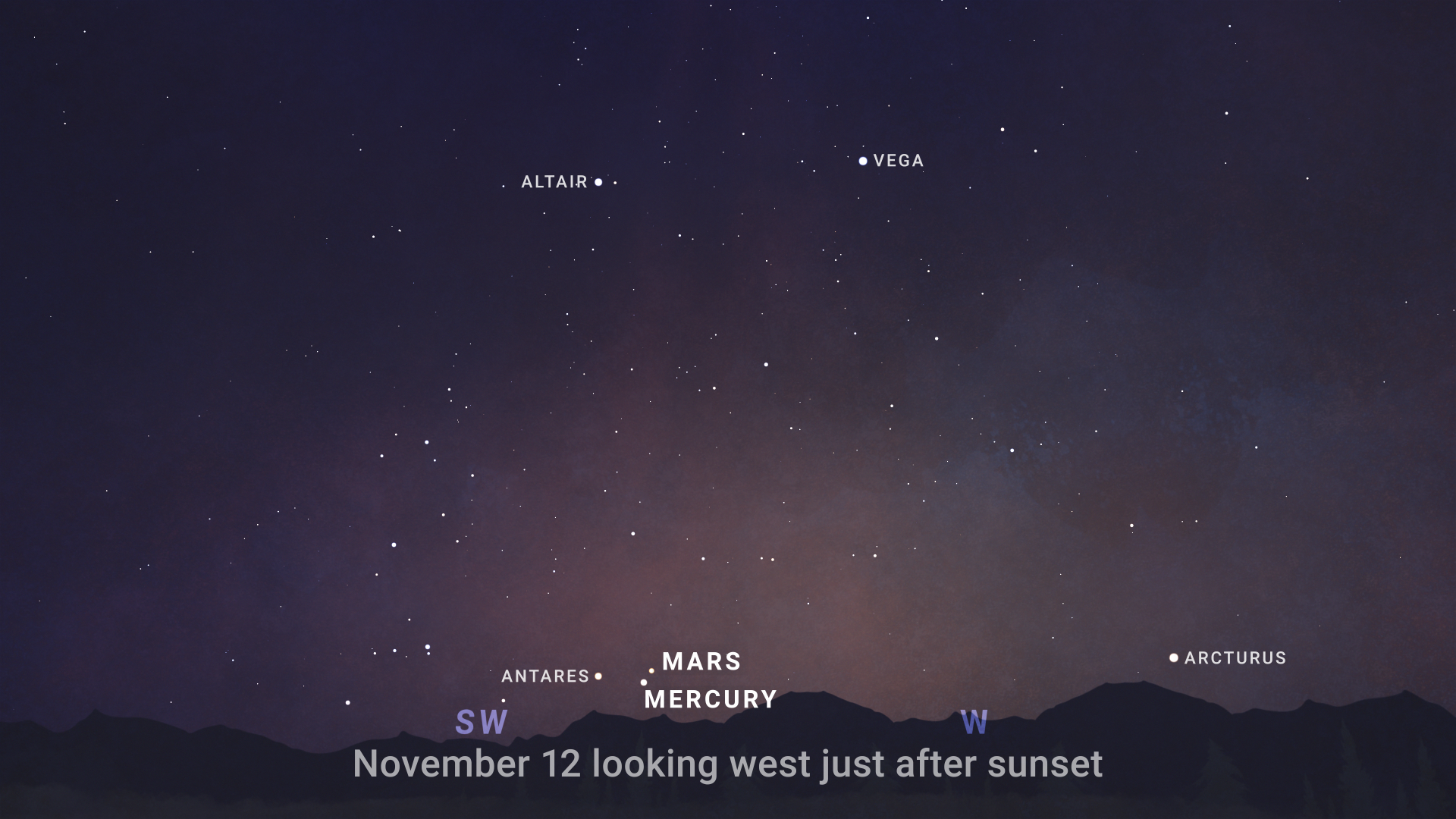
Mars and Mercury will cozy up together in the night sky just after sunset on November 12th.

The planets will experience what is known as a conjunction, meaning they appear close together in the sky from our view (even though in real life, Mars and Mercury are well over 100 million miles apart). 

But you can see these two long distance pals close together if you look slightly southwest just after sunset in the early evening sky on November 12th. 

A night sky view of the Mars-Mercury conjunction on November 12 just after sunset, looking west. Labeled stars include Antares, Altair, Vega, and Arcturus.
NASA/JPL-Caltech

Mars will be just to the right above Mercury, and you’ll know it’s Mars by its distinctive reddish-orange color.

Leonid Meteor Shower: 

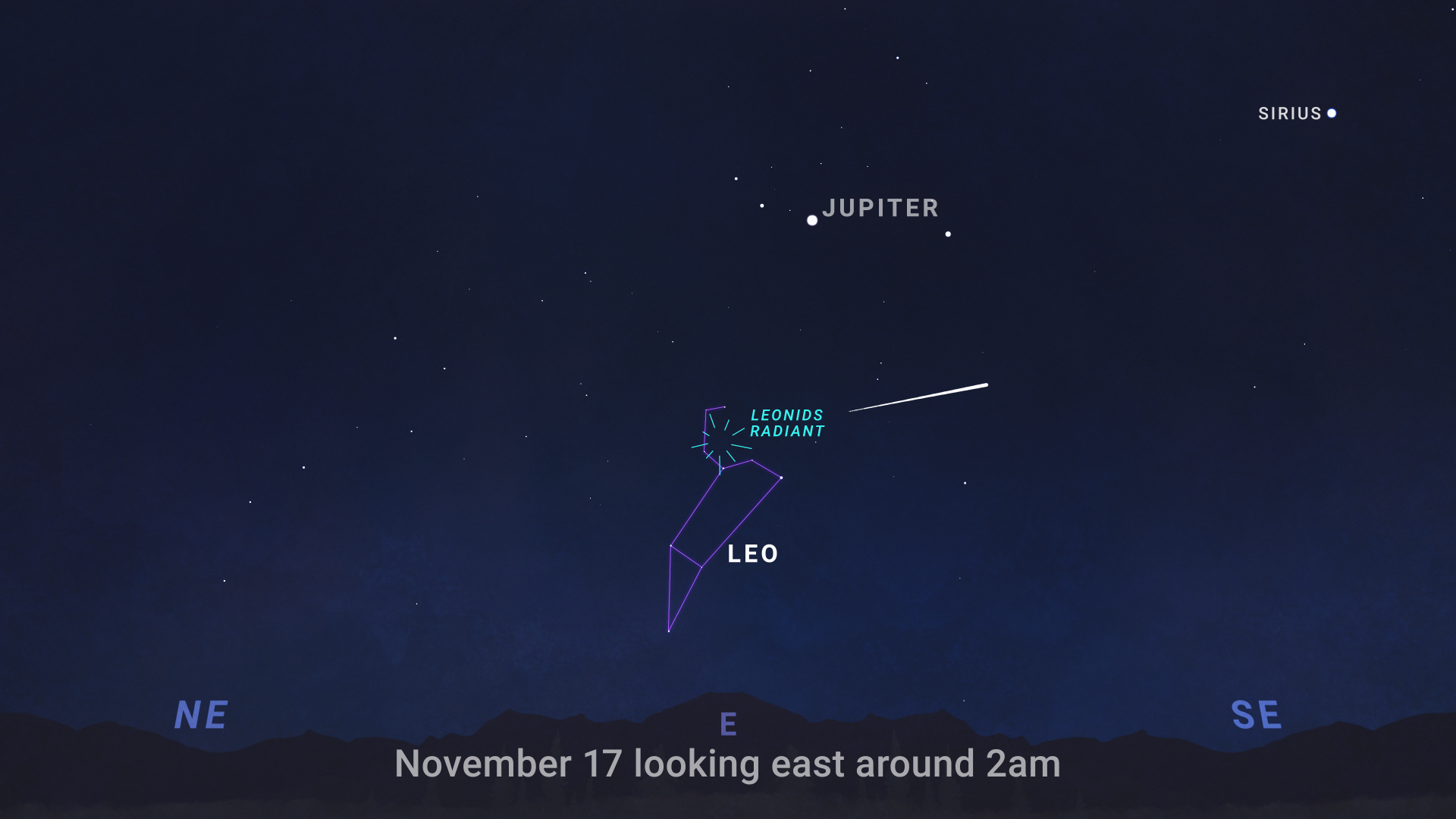
The Leonid meteor shower will sparkle across the skies this month, peaking on November 17th.

A night sky chart for the Leonids meteor shower on November 17 looking east around 2 am. It highlights the constellation Leo and the Leonids Radiant point. The planets Jupiter and the star Sirius are also visible.
NASA/JPL-Caltech

While the meteor shower stretches from November 3rd through December 2nd, it will be at its most visible late on the night of November 16th into the dawn of November 17th, even into the early morning of November 18th.

Look for meteors coming from the shower’s radiant point within the constellation Leo in the eastern sky.

With dark skies, you might see 10-15 meteors per hour with this shower which happens when we travel through the debris trailing the comet 55P/Tempel-Tuttle.

Saturn’s rings disappear

Saturn’s rings will disappear from view this November! 

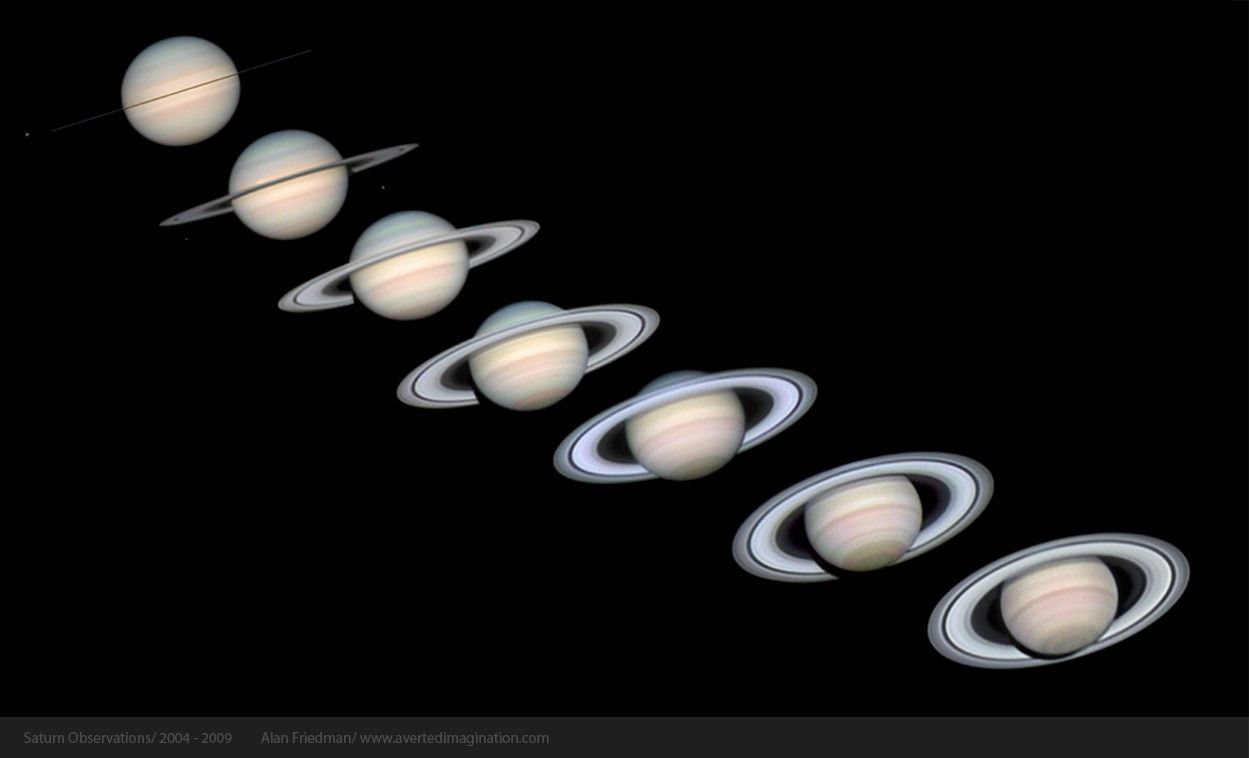
Saturn orbits the sun leaning at an angle of 26.7 degrees. This means that from our view, its rings shift up and down over time. 

On November 23, Saturn will be angled in such a way that its rings face us, and since they are so thin they’ll just disappear from view. 

A composite image of seven observations of Saturn from 2004 to 2009, showing the changing tilt of its rings from edge-on (top) to wide-open (bottom), illustrating Saturn's orbital motion.
Alan Friedman/avertedimagination.com

But don’t worry, the rings aren’t gone from view forever. As the planet continues to orbit, its rings will gradually become more visible again. 

Conclusion + Moon Phases

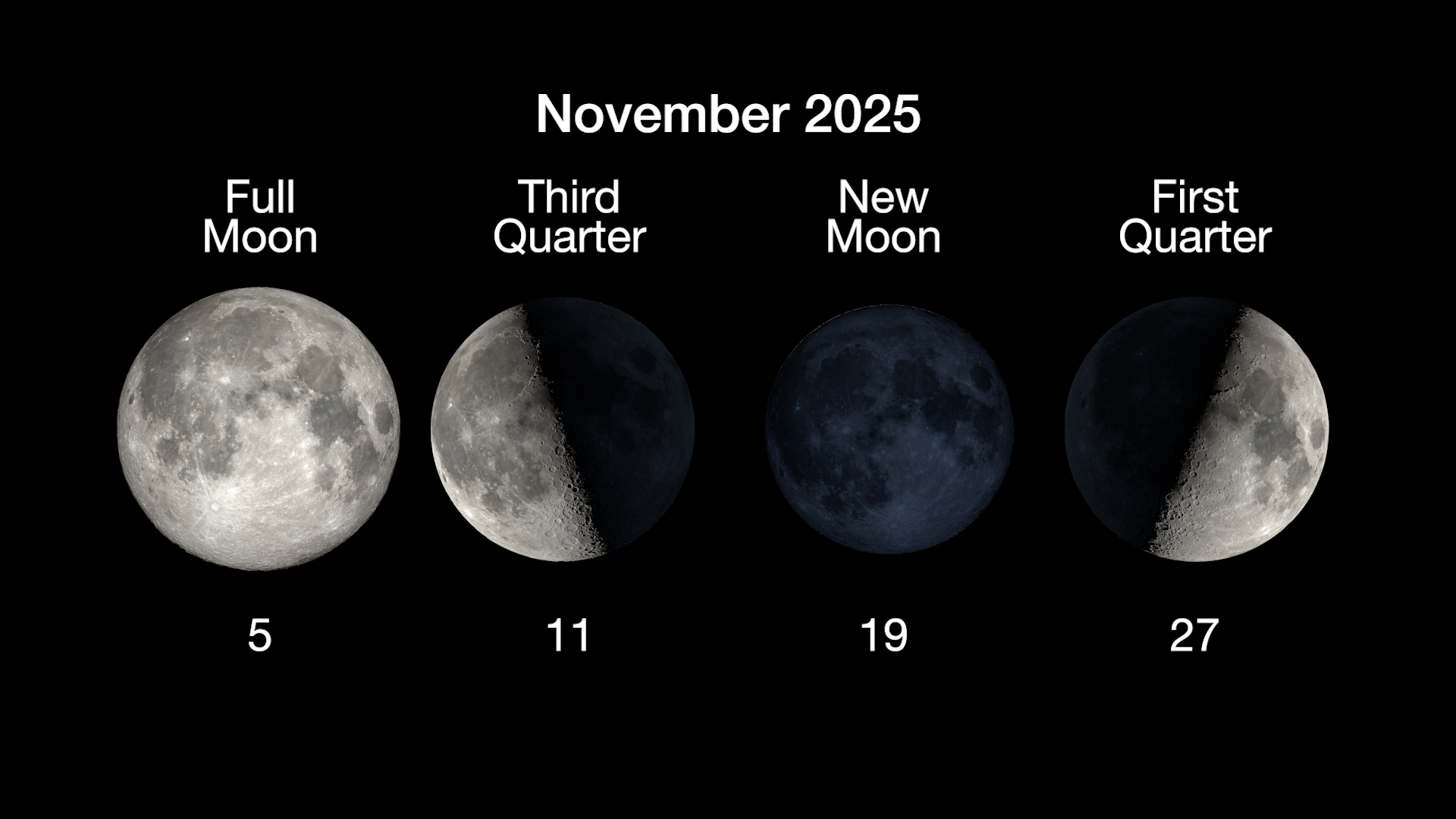
Here are the phases of the Moon for November.

An image showing the four primary Moon phases for November 2025. From left: Full Moon (Day 5), Third Quarter (Day 11), New Moon (Day 19), and First Quarter (Day 27), illustrating the cycle of lunar illumination.
NASA/JPL-Caltech

You can stay up to date on all of NASA’s missions exploring the solar system and beyond at science.nasa.gov.

I’m Chelsea Gohd from NASA’s Jet Propulsion Laboratory, and that’s What’s Up for this month.

Keep Exploring

Discover More Topics From NASA


from NASA https://ift.tt/rnbv6xC

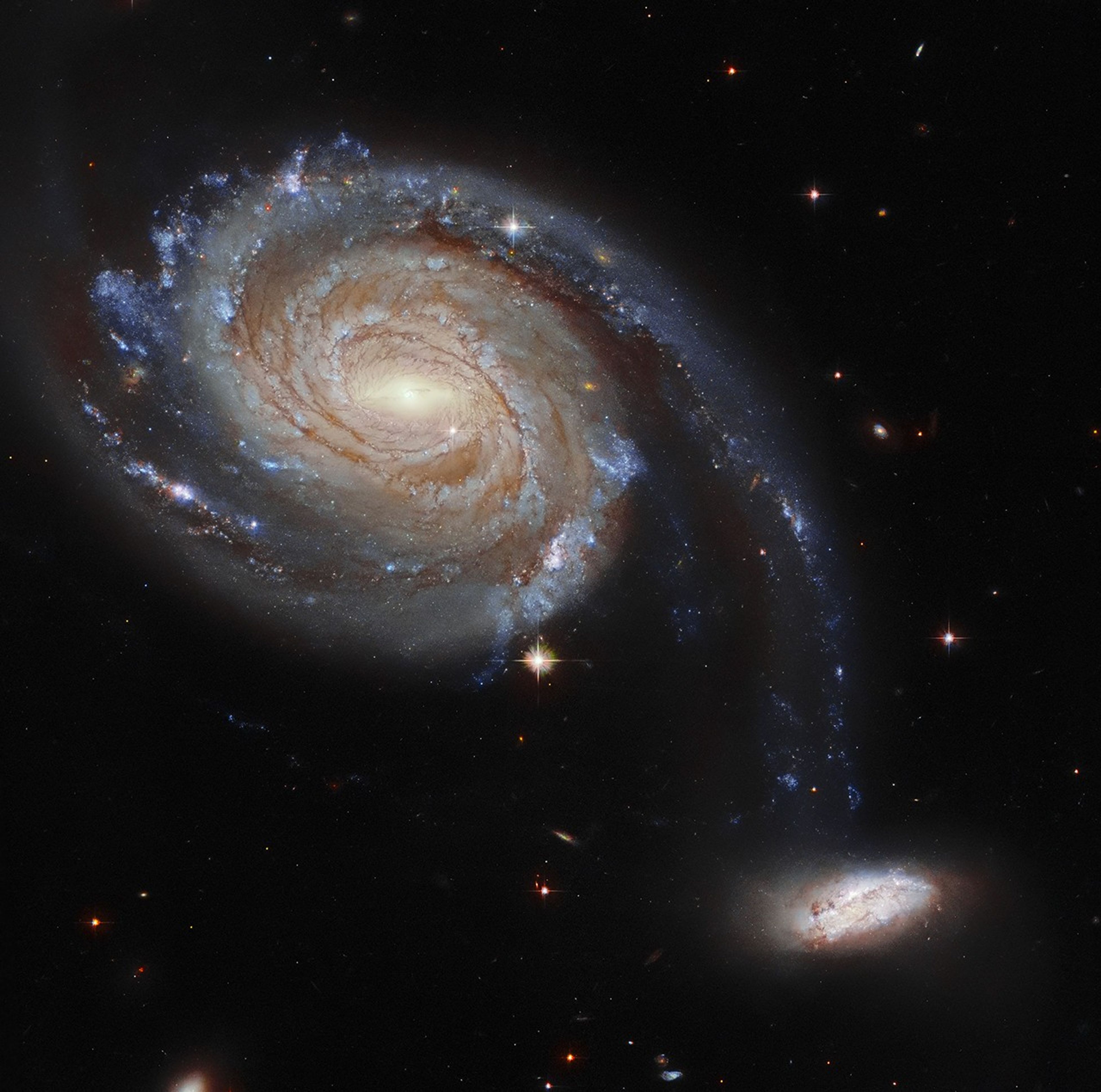
Hubble Spies an Active Spiral

Hubble Home About Hubble The History of Hubble Hubble Timeline Why Have a Telescope in Space? Hubble by the Numbers At the Mu...